
Last updated October 15, 2026
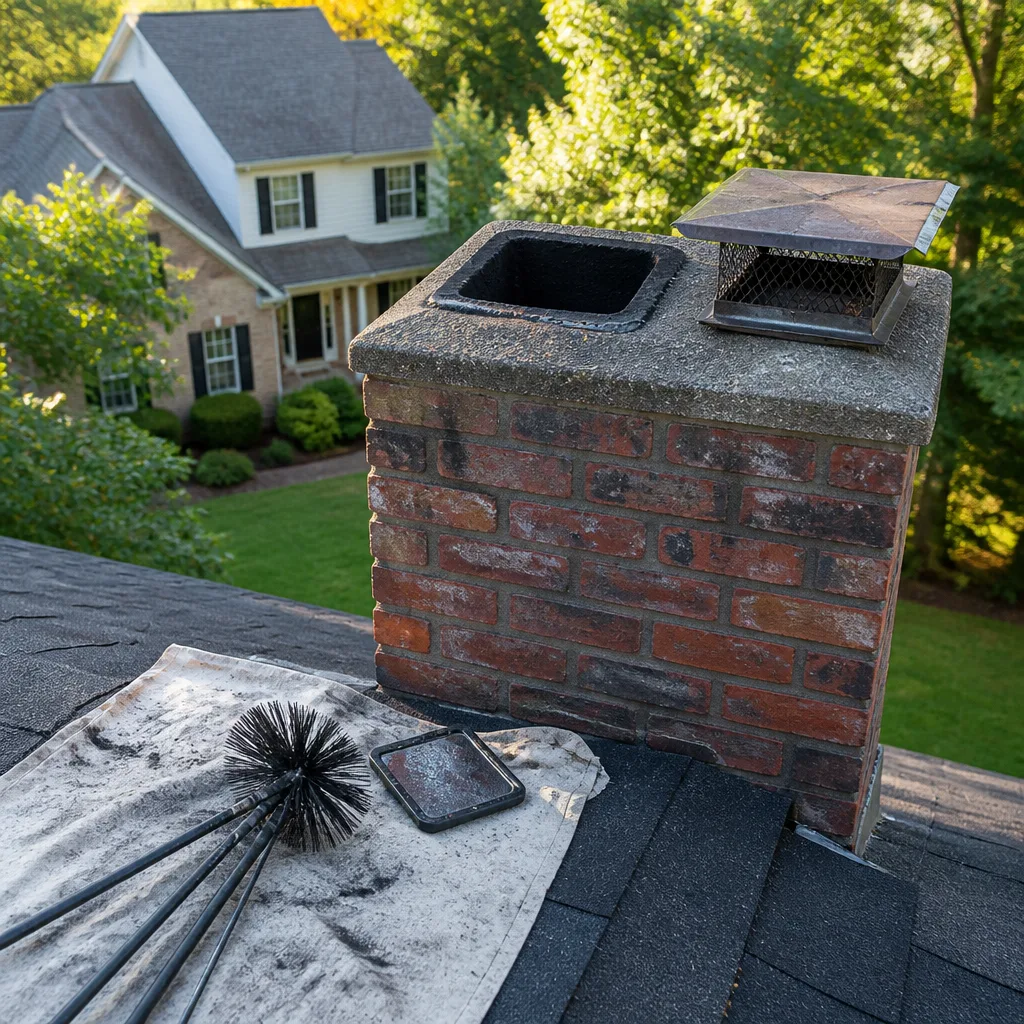 Sweep & inspection
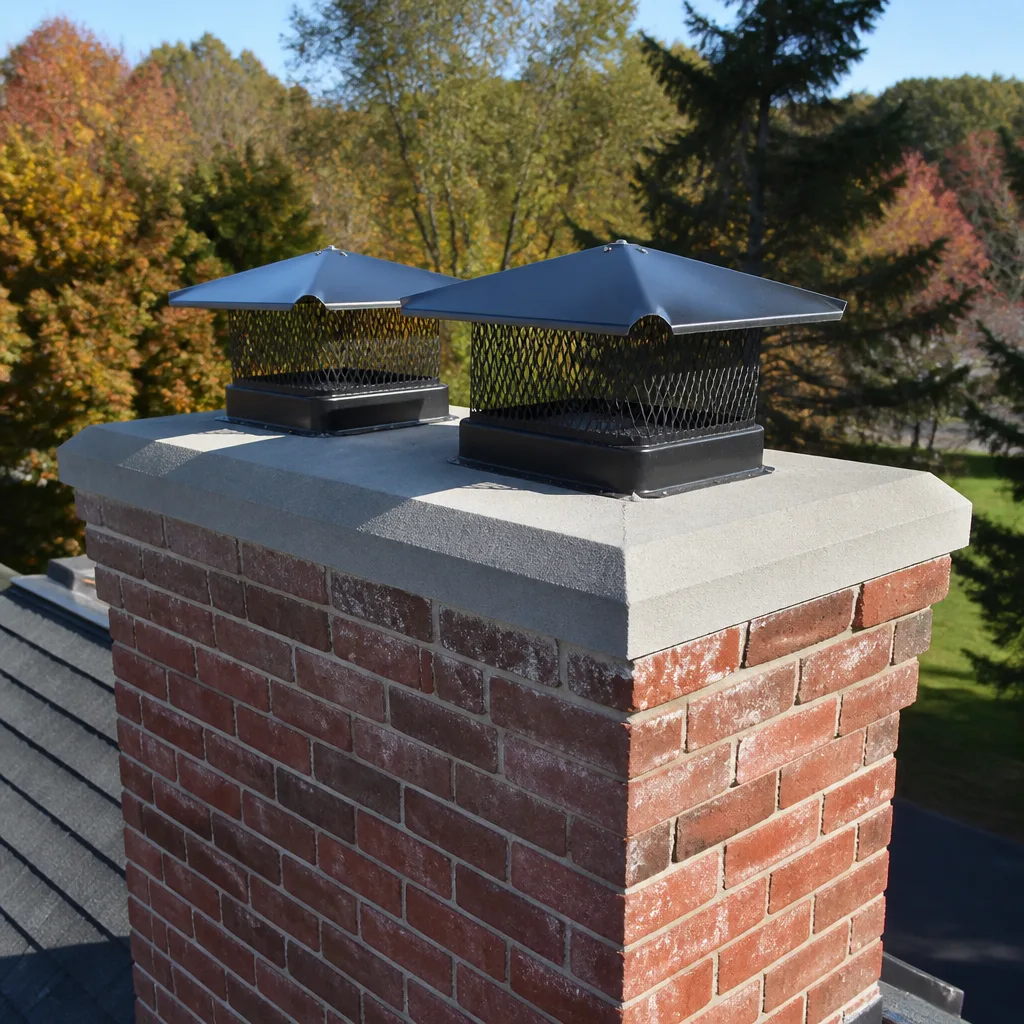 Caps & crowns
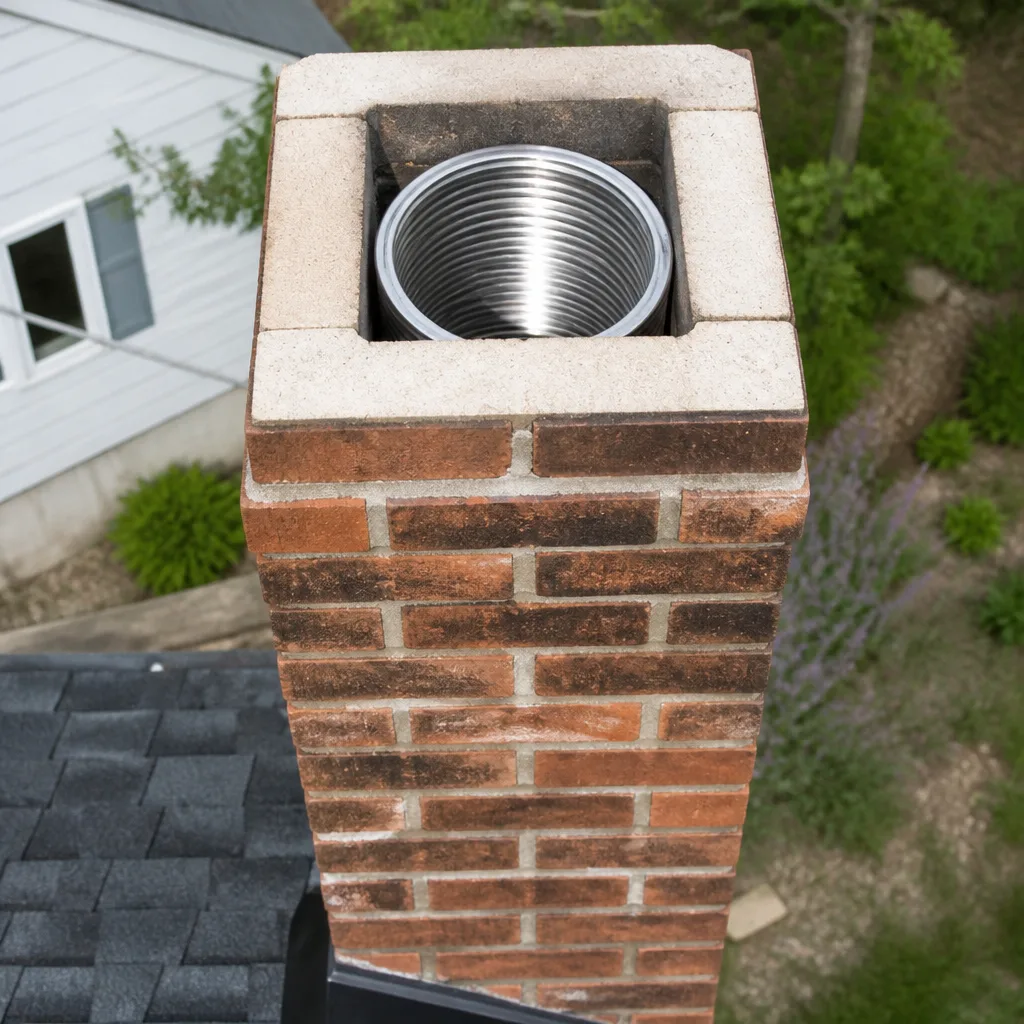 Flue relining
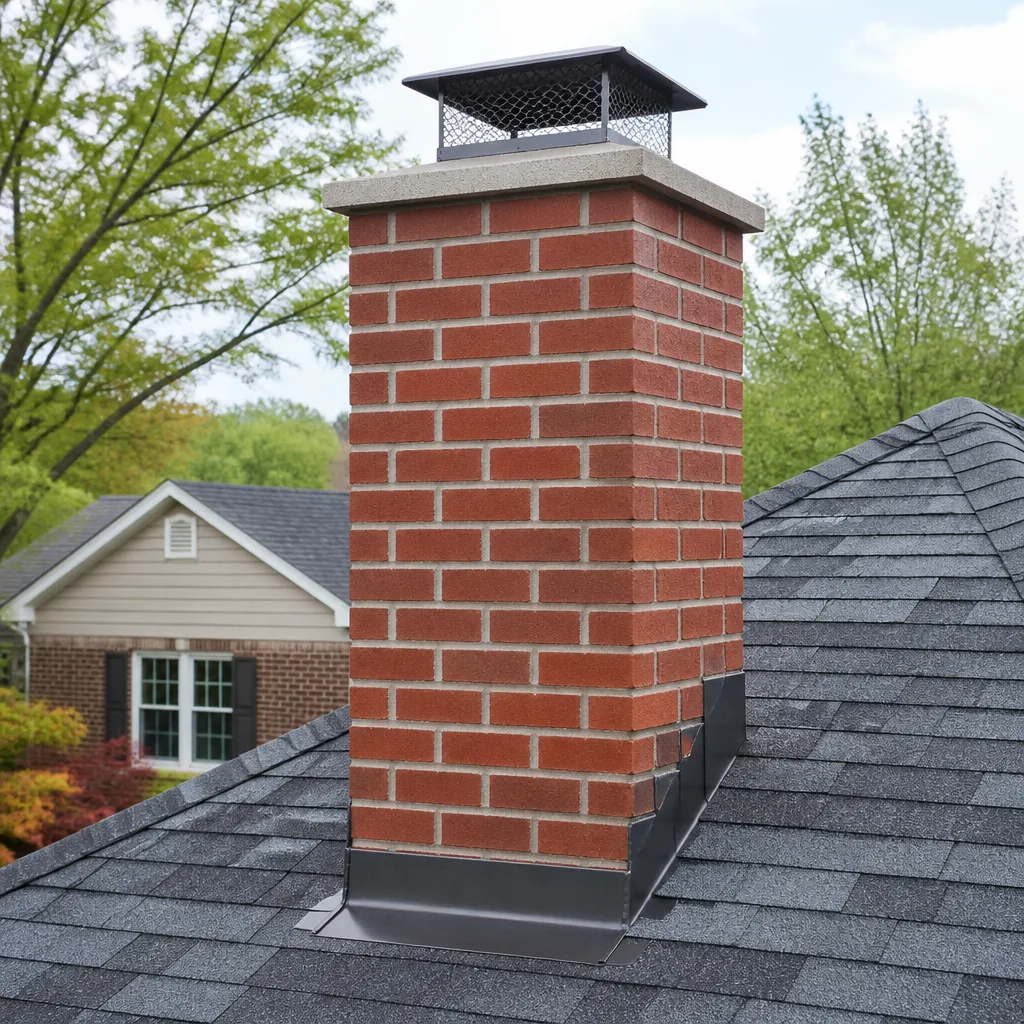 Masonry repair
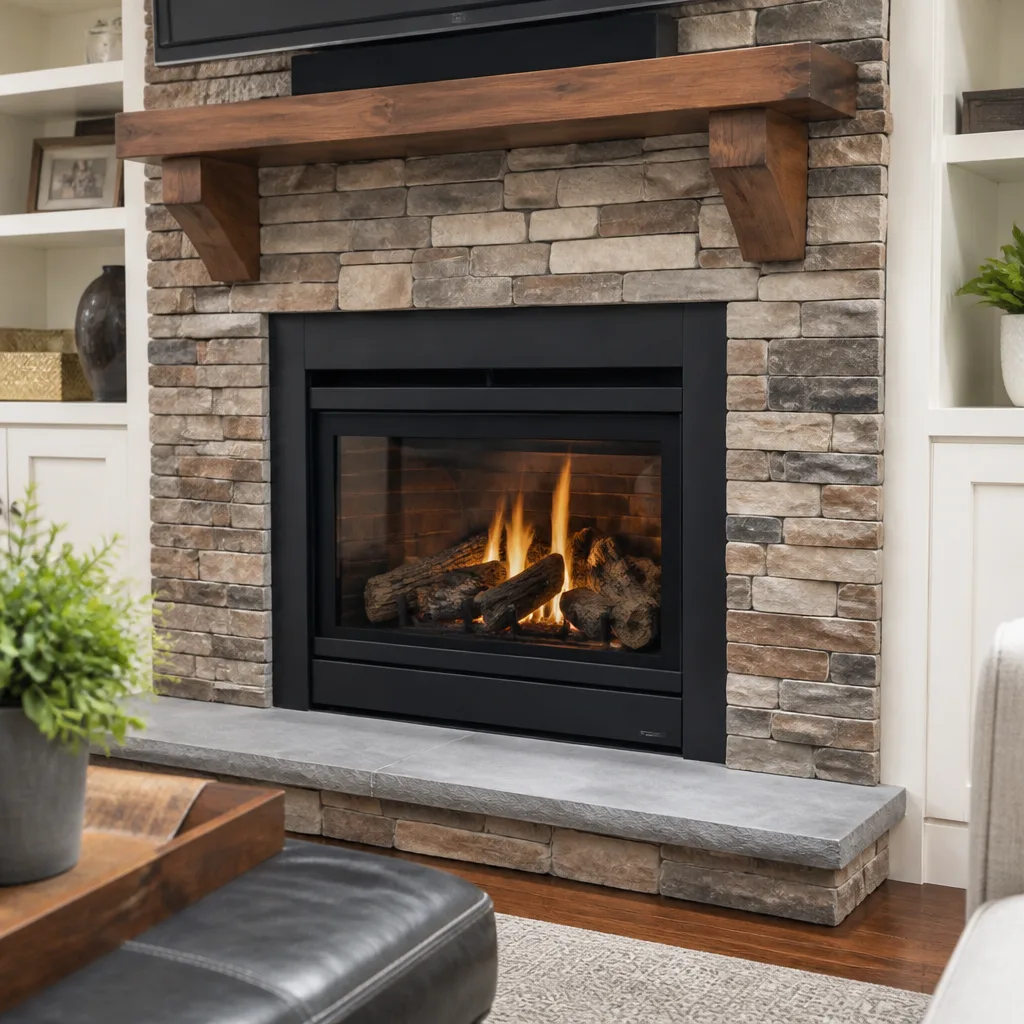 Gas fireplace service
Level 1 sweep and inspection to the NFPA 211 annual standard - flue, crown, cap, and flashing checked and photographed
Chimney sweep logs do not sweep chimneys. They loosen some creosote - which then falls where a brush and vacuum still have to collect it.
Chimney Cleaning Permits, Codes & Inspections in GA: What You Need to Know
Here’s the thing nobody tells you at booking: a chimney sweep can clean your flue without a permit, but the moment they recommend repointing your firebox or installing a new liner and do it without pulling a permit, you own that liability, and it shows up in your property records when you sell. In Marietta, where homes built from the 1960s through the 1990s dominate neighborhoods like East Cobb and Whitlock Heights, this catches homeowners off guard every selling season. This guide walks through exactly which chimney services trigger Georgia and Cobb County permitting, what the inspection process actually looks like, what happens with your insurance if unpermitted work is found after a fire, and how to protect yourself before a contractor touches your chimney. For The Complete Guide to Chimney Cleaning in Marietta and related resources, see our blog.
Styles & brands we work with
Quick Answer
Chimney Cleaning Warning Signs: A Marietta Homeowner’s Reference Guide aside, routine chimney cleaning and sweeping does not require a permit anywhere in Georgia. However, structural chimney repairs, including firebox repointing, crown rebuilding, and chimney relining, typically require a Cobb County building or mechanical permit, and unpermitted repair work can create problems during a home sale or after an insurance claim.
Table of Contents
- Chimney Cleaning vs. Chimney Repair: Where the Permit Line Actually Sits
- What Georgia’s Building Code Actually Says About Chimneys
- How Cobb County Handles Chimney Permits and Inspections
- NFPA 211 and Georgia Code: What the National Standard Changes for Marietta Homeowners
- The Insurance Problem: What Unpermitted Chimney Work Does to a Fire Claim
- Unpermitted Chimney Work as a Home Sale Deal-Killer in Cobb County
- What to Ask Any Contractor Before Repair Work Goes Past Cleaning
- Common Mistakes to Avoid
- When to Call a Professional
- Frequently Asked Questions
- The Bottom Line
Chimney Cleaning vs. Chimney Repair: Where the Permit Line Actually Sits
Georgia draws a bright line between maintenance work and structural or mechanical modifications, and that line matters more than most homeowners in Marietta realize. Routine chimney sweeping, which removes creosote (the flammable tar buildup that makes chimneys a fire risk by high heat exposure), falls squarely on the maintenance side per any Chimney Sweep Maintenance Checklist for Marietta Homeowners. No permit is required to run a brush through a flue, vacuum out the firebox, or inspect the interior with a camera. The state treats these as maintenance activities, no different from cleaning gutters or changing HVAC filters.
What changes the classification is any work that alters, repairs, or replaces a component of the chimney system in a way that affects structural integrity or combustion safety. In practice, this means:
- Permit-exempt in Georgia: chimney sweeping, creosote removal, visual inspection, camera inspection, minor cap tightening, basic damper adjustment, and cleaning of the firebox surface.
- Permit-triggering in Cobb County specifically: firebox repointing (replacing deteriorated mortar joints in the firebox), smoke chamber parging (resurfacing the angled area above the firebox), chimney crown rebuilding (the concrete slab at the top), flue relining with a stainless steel liner like DuraFlex, masonry rebuilds of any kind, and any structural repair that involves demolition of existing chimney material.
In our experience working in Marietta, the most frequent permit misunderstanding involves firebox repointing. A homeowner books a chimney sweep, the tech spots cracked firebox mortar, and a verbal recommendation turns into an immediate repair on the same visit. The repair itself might be done well, but no permit was pulled because nobody thought to ask. That oversight stays with the property.
What Georgia’s Building Code Actually Says About Chimneys
Georgia operates under the International Residential Code (IRC) with state-specific amendments, and Cobb County enforces its own set of local amendments on top of that. The relevant section for chimneys is IRC Chapter 10, which covers chimney and fireplace construction, and IRC Section R1001 specifically addresses masonry fireplaces. Georgia’s state amendments do not soften the permitting requirement for structural chimney work; they mostly clarify inspection routing and plan review thresholds.
Chapter 10 sets clear standards that affect what a Marietta homeowner can expect when repair work is permitted and inspected. The code requires that a masonry chimney serving a fireplace have a properly constructed flue liner that is continuous from the firebox to the top of the chimney, with a minimum wall thickness based on the material used. It also specifies that the chimney crown be constructed of concrete or other approved material and be sloped away from the flue opening to shed water.
When a Cobb County inspector reviews chimney work, the inspection checklist typically includes:
- Verification that the flue liner material matches what was specified in the permit application and meets the minimum thickness required by Chapter 10.
- Confirmation that the firebox has been constructed or repaired to the original plan dimensions, with joints fully filled and no visible gaps.
- Check of the smoke chamber dimensions and angle, which must sit within the range specified in IRC Table R1001.2, an often-overlooked dimension table that determines draw performance.
- Roof-level examination of the chimney cap, crown slope, and any flue extension above the roofline, which must extend at least 3 feet above the highest point where it passes through the roof and at least 2 feet above anything within a 10-foot radius.
What surprises many Marietta homeowners is that the inspector is not testing whether the fire burns well. The inspection is about code compliance to specific dimensional and material standards, and that is a different thing from performance. A chimney can pass inspection and still draw poorly if the house has negative air pressure from a tight HVAC system, a problem we see often in newer East Cobb homes with high-efficiency furnaces and sealed attics.
How Cobb County Handles Chimney Permits and Inspections
Cobb County’s Development and Inspections Division processes building permits for unincorporated areas, while homeowners inside Marietta city limits typically go through the City of Marietta’s building department. The distinction matters because the two offices have slightly different application requirements, but both treat structural chimney repair as a permit-required improvement.
For a chimney relining project in Cobb County, the process generally runs like this:
- The contractor or homeowner files a building permit application through the Cobb County online portal, listing the scope of work as chimney repair or relining. For liner replacements, the county may route the application as a mechanical permit depending on the appliance type, which is a common point of confusion.
- If the repair involves masonry work beyond simple repointing, the county often requires a site plan or drawing showing the chimney location relative to the structure, even for repairs on an existing chimney.
- Once the permit is issued, work proceeds. Cobb County inspects in phases, so the liner or firebox repair must be examined before it is closed up or backfilled. Skipping this rough-in inspection means the final inspection cannot be signed off, and the permit stays open.
- After the repair is complete, a final inspection is scheduled. The inspector confirms the work matches the permit scope, verifies clearances from combustible materials, and checks the flue termination height at the roof.
The cost of a Cobb County chimney repair permit typically falls in the range of $75 to $300 depending on project valuation, which is modest compared to the cost of the repair itself. The bigger cost is time, as Cobb County inspection scheduling often runs five to ten business days out. For a homeowner planning chimney work before burning season in Marietta, where October through March is prime fireplace use, that scheduling delay is baked into the calendar whether anyone likes it or not.
Chimney Repair in Marietta involves coordinating this permitting path as a standard part of the job, not an afterthought. That coordination is the difference between a repair that closes out cleanly and one that lingers as an open permit, which itself becomes a title issue later.
NFPA 211 and Georgia Code: What the National Standard Changes for Marietta Homeowners
NFPA 211 is the National Fire Protection Association’s standard for chimneys, fireplaces, vents, and solid fuel burning appliances. It is not a building code in itself, but it becomes enforceable in Georgia through two paths. The first is that the Georgia building code references NFPA 211 for certain inspection and clearance requirements. The second is that insurance companies and home inspectors cite NFPA 211 as the accepted industry standard when evaluating a chimney after a fire or during a sale.
What this means practically for a homeowner in Marietta is that a chimney can meet the letter of the Georgia building code but still fail an NFPA 211 inspection, and that failure carries weight. NFPA 211 establishes a Level I, Level II, and Level III inspection framework. A Level I inspection happens during a routine chimney sweep when nothing has changed about the appliance or the venting system. A Level II inspection is triggered by a change in the system, a property sale, or a chimney fire. A Level III inspection goes deeper into concealed areas where a Level II found damage or suspected damage.
For homeowners buying or selling a house in Marietta, the distinction between a code check and an NFPA 211 Level II inspection matters. A Cobb County code inspector verifies that permitted work matches the application. An NFPA 211 Level II chimney inspector uses a camera to evaluate the interior flue condition and checks clearances that code enforcement often does not look at in detail. When a home inspector flags a chimney on a sales contract, they are almost always deferring to an NFPA 211 Level II evaluation, not to a Cobb County code inspection.
In practice, this means a homeowner in a Marietta neighborhood like Powers Ferry or Sandy Plains should expect an NFPA 211 Level II inspection before closing on a home with a masonry chimney, and should budget for that as a separate line item from the general home inspection. Most reputable chimney companies in the area perform these inspections. The cost for a chimney sweep and Level II camera inspection in Marietta typically runs $250 to $500 depending on chimney height and accessibility.
The Insurance Problem: What Unpermitted Chimney Work Does to a Fire Claim
This is where unpermitted chimney work stops being an administrative annoyance and becomes a financial risk. Homeowner’s insurance policies in Georgia routinely include language requiring that any modifications to the home comply with local building codes and permitting requirements. When a chimney fire occurs and the subsequent investigation finds unpermitted repair work, the insurance carrier has a basis to deny or reduce the claim, even if the unpermitted work did not directly cause the fire.
The logic the carrier uses is straightforward. The policy was priced based on a home that met code requirements. Unpermitted work represents an unknown risk that the carrier never agreed to underwrite. Whether that argument holds up in a fight depends on the specific policy language and the nature of the work, but a homeowner does not want to be the one testing that argument after a chimney fire in a Cobb County house where the firebox was repointed five years earlier without a permit.
Beyond the claim denial risk, there is a subtler problem. Insurance claims adjusters in Georgia increasingly request permit histories when evaluating fire claims involving chimneys and fireplaces. If the adjuster finds chimney repair work that never pulled a permit, the claim goes from straightforward to contested. The homeowner now has to prove the unpermitted work had nothing to do with the fire, which is a difficult thing to prove after the fact.
The practical advice, and the advice we give to anyone before chimney work in Marietta, is simple: if the work goes beyond cleaning, get the permit. The permit cost is modest. The inspection creates a record that protects you later. And if a contractor tells you a permit isn’t needed for structural chimney repair, get that advice in writing or get a different contractor.
Unpermitted Chimney Work as a Home Sale Deal-Killer in Cobb County
Cobb County’s residential disclosure requirements have become stricter in the past decade, and chimney work is one of the areas where omissions surface most often. Georgia’s seller disclosure statute requires sellers to disclose known defects and any work done on the property that would be expected to involve a permit. If you had your firebox repointed or your chimney relined without pulling a Cobb County permit, and then you sell the house without disclosing it, you have created a disclosure problem on top of the permitting problem.
Buyers’ agents in the Marietta market now routinely pull permit histories as part of due diligence. When a chimney relining or firebox repair shows no matching permit, three things happen:
- The buyer typically requests a chimney inspection by a certified sweep, which the seller usually pays for as a concession.
- If the inspection finds the work was done correctly, the buyer may proceed but often demands a price reduction or a seller credit to cover the cost of retroactive permitting and any corrections the county requires.
- If the inspection finds problems with the unpermitted work, the deal can fall apart entirely, especially in a competitive selling season where buyers have leverage to walk.
We have watched this exact scenario play out in East Cobb and near the Marietta Square. A seller takes a $3,000 chimney repair off the table without a permit, then eats a $6,000 credit at closing because the buyer’s agent flagged the missing permit and made it the seller’s problem. The math does not work in the seller’s favor.
The cleanest path is to handle chimney repairs through a company that pulls permits as a matter of course, and to keep the permit record and final inspection report in your files. That stack of paper becomes a selling point at closing, not a liability. For anyone considering a chimney inspection before listing a Marietta home, doing it early, before the buyer’s inspector finds it first, is the smartest move available.
What to Ask Any Contractor Before Repair Work Goes Past Cleaning
The moment a chimney sweep recommends anything beyond cleaning, you have a decision to make, and that decision should start with questions. These are the questions that protect you, and a contractor who has a clear answer to each one is one you can work with.
- “Will you pull the permit, and can I see the permit number?” A contractor who handles permitting as a standard part of the job will have no hesitation answering this. In Cobb County, the permit application should list the specific chimney repair scope, and the number should be verifiable through the county online portal.
- “Is this repair code-required right now, or can it wait?” Some chimney issues are safety hazards that need immediate work. Others are deterioration that can be monitored. A contractor who tells you the difference, with camera evidence, is giving you honest information. We use camera inspection before recommending any repair, because a recommendation without visual proof is just an opinion.
- “What materials are you using, and what warranty do they carry?” Repair components have brand names and track records. Stainless steel liners, for example, are not all the same. Materials from DuraFlex, HeatShield, Olympia Chimney, and Gelco have established performance histories in the industry, and a contractor should be able to name what they are installing and why.
- “What does the guarantee cover, and for how long?” A repair recommendation should come with a written guarantee that specifies coverage period and what happens if the repair fails. We put a 365-Day Done Right Promise on every repair in writing, with a free second visit if the repair fails, because a verbal promise is not a promise.
- “What will the inspection actually check?” If a permit is being pulled, a Cobb County inspector will verify specific code requirements. Ask the contractor to walk through what those checks include, so you understand what the inspector is looking at when they arrive.
These questions are not about being difficult. They are about protecting a structure on your home that burns fuel inside it. The contractors who welcome these questions are the ones doing the work correctly.
Common Mistakes to Avoid
- Assuming a chimney sweep and a chimney inspection are the same thing. A sweep removes creosote. An NFPA 211 Level II inspection uses a camera to evaluate the flue interior. The two are related but distinct, and skipping the inspection during a Marietta home purchase is a costly shortcut.
- Letting a contractor perform firebox repointing or relining without a permit. This is the single most common unpermitted chimney repair in Cobb County, and it creates the exact liability described above. Always ask for the permit before the work starts.
- Treating the chimney as a standalone system that does not interact with the house. Marietta homes with high-efficiency HVAC systems can develop negative air pressure that affects chimney draw. A chimney that fails to draw in a tight East Cobb house may be a house problem, not a chimney problem, and a good chimney professional checks for this before recommending a liner.
- Waiting until burning season to book a chimney sweep in Marietta. October through December booking fills fast, and inspection scheduling with Cobb County runs slower during the holidays. Booking in late summer or early fall gets ahead of the queue.
- Filing a homeowner’s claim without knowing your chimney’s permit history. After a fire, the adjuster will look. Knowing what is in your records before the adjuster asks gives you time to address gaps, rather than discovering them mid-claim.
- Paying cash without a written scope and permit commitment. Written documentation protects both parties. If a contractor will not put the scope and permit plan in writing, find another contractor.
- Ignoring a chimney cap or crown recommendation during a sweep. Water intrusion through a cracked crown is the most common cause of firebox and flue deterioration in Marietta, where heavy spring and summer rains work against older masonry. A $400 crown repair now avoids a $3,000 firebox repair later.
When to Call a Professional
Call a professional when you see white staining on the exterior brick face of your chimney, which indicates water penetration through the masonry. Call when you smell smoke in the house after the fireplace has not been used for hours, which suggests a draft or draw problem. Call if you hear falling debris inside the chimney when the wind picks up, as that often indicates spalling brick or flue deterioration. Call before you buy or sell a home in Marietta, because a chimney inspection is cheaper on the front end than a closing credit on the back end. For more guides & resources, visit our blog. And call if it has been more than two years since your last chimney sweep, regardless of how little you think you have used the fireplace. Hadley Chimney Marietta offers free estimates in Marietta, call (762) 249-4619, and we provide before-and-after photos with every visit so you can see what the tech found and what was done about it.
Frequently Asked Questions
Chimney sweeping in Marietta typically runs $180 to $340 depending on chimney height, roof accessibility, and whether a camera inspection is included. The lower end applies to a straightforward masonry chimney with easy roof access in neighborhoods like West Oak or Whitlock Heights, while the higher end covers taller chimneys, steep roof pitches, or homes where the chimney is difficult to reach. Call (762) 249-4619 for an exact quote, estimates are free and the price is written before any work starts.
Not always, and you should never accept a liner recommendation without seeing camera evidence. In our experience in Marietta, about half of the liner recommendations made after a routine sweep are driven by deterioration visible on camera, while the other half are driven by code compliance issues after a change in appliance type. Before you approve a relining job, ask to see the camera footage showing the exact problem, the measurement that fails code, and the specific reason a repair rather than a full replacement is not an option. We use camera inspection and provide photos with every recommendation, because a recommendation without visual proof is not a recommendation you should act on.
The National Fire Protection Association recommends a chimney sweep and Level I inspection at least once per year for wood-burning fireplaces that see regular use during Georgia’s burning season, which typically runs October through March in Marietta. Homes that burn unseasoned wood or burn frequently through winter may need two cleanings per season, while a fireplace used only a handful of times per year can usually go 18 to 24 months between sweeps. The determining factor is creosote accumulation, which a trained sweep can measure during an inspection. Call (762) 249-4619 to schedule a sweep and see the before-and-after photos for yourself.
Creosote accumulates inside the flue, and creosote is flammable. A chimney fire can occur when that buildup reaches a thickness and temperature that allows ignition, and chimney fires in Georgia routinely cause structural damage that is visible from outside the home, including cracked flue tiles and damaged masonry. Even if a fire never occurs, heavy creosote can restrict draft and push smoke back into the house. The cost of a chimney sweep is predictable; the cost of ignoring it is not.
Cobb County does not mandate a chimney inspection as a condition of sale, but most home inspectors in the Marietta market flag chimneys for a Level II NFPA 211 evaluation as part of the standard inspection contingency. In practice, that means a chimney inspection happens on most sales either because the buyer requests it or because the seller has it done proactively before listing. A clean Level II inspection report helps a seller move through closing without a chimney repair negotiation.
Chimney repair permits in Cobb County generally fall between $75 and $300 depending on the project valuation and whether the work is routed as a building permit or a mechanical permit. The permit fee is minor compared to the repair itself, but the inspection scheduling time is the cost most homeowners underestimate. Budget five to ten business days for the inspection step, and build that into your timeline if you want the work done before burning season.
The Bottom Line
Chimney cleaning in Georgia requires no permit, and that is the easy part. The moment repair work enters the picture, whether it is firebox repointing, crown rebuilding, or a liner replacement, Cobb County permitting requirements attach, and ignoring them creates liability that shows up during a home sale or an insurance claim. The smartest approach for a Marietta homeowner is to treat any chimney recommendation beyond cleaning as a permitting question first, and to work with a company that pulls permits as standard practice and provides written documentation for every repair. Protect the paper trail the same way you protect the fireplace. The two are connected.
Written by Cory Mitchell, Owner at Hadley Chimney Marietta, serving Marietta since 2003.
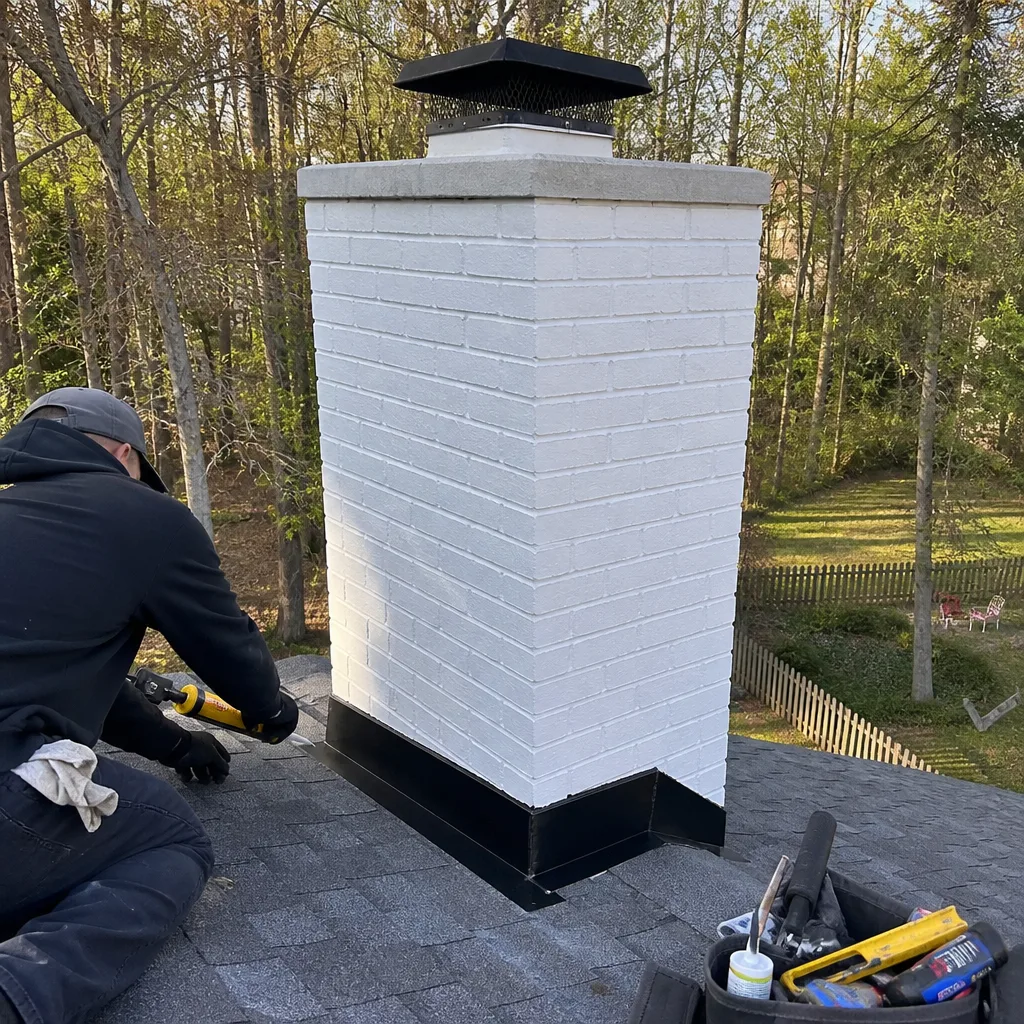
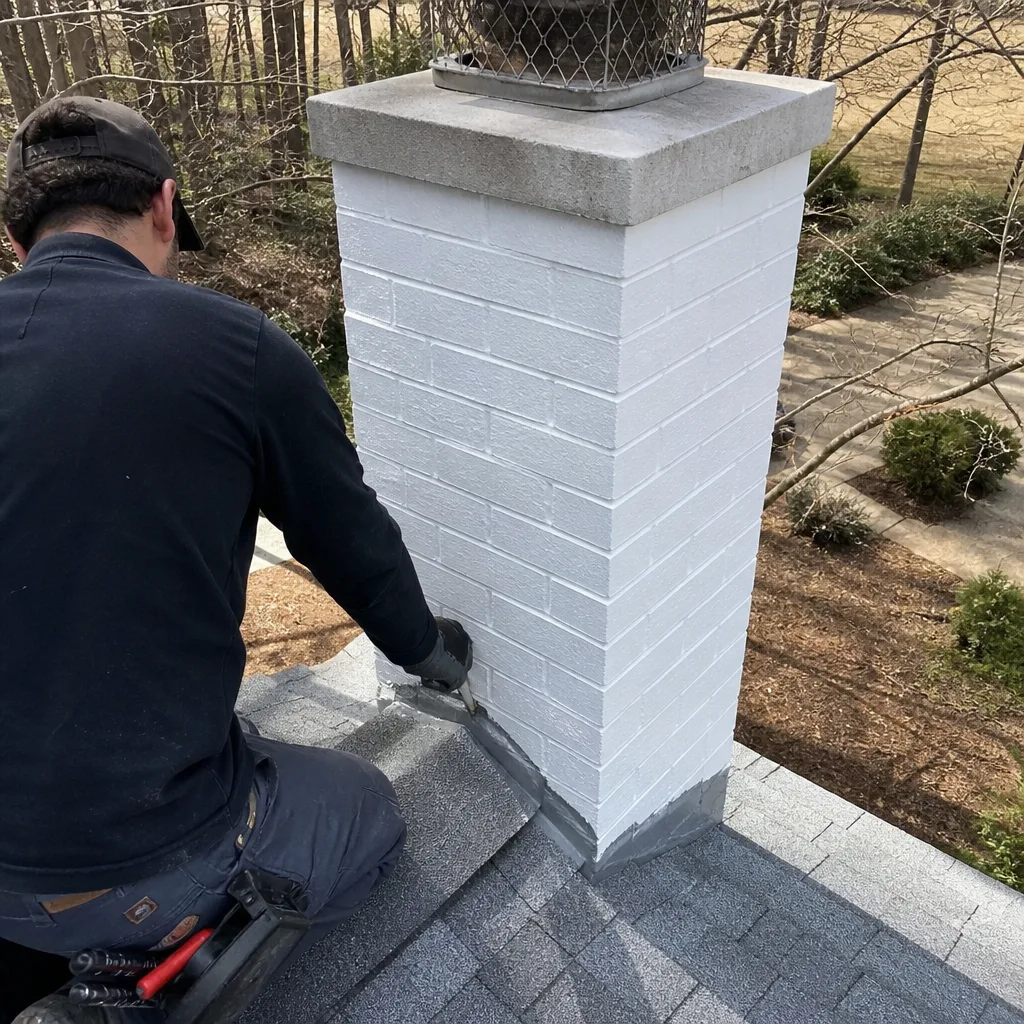
See the difference
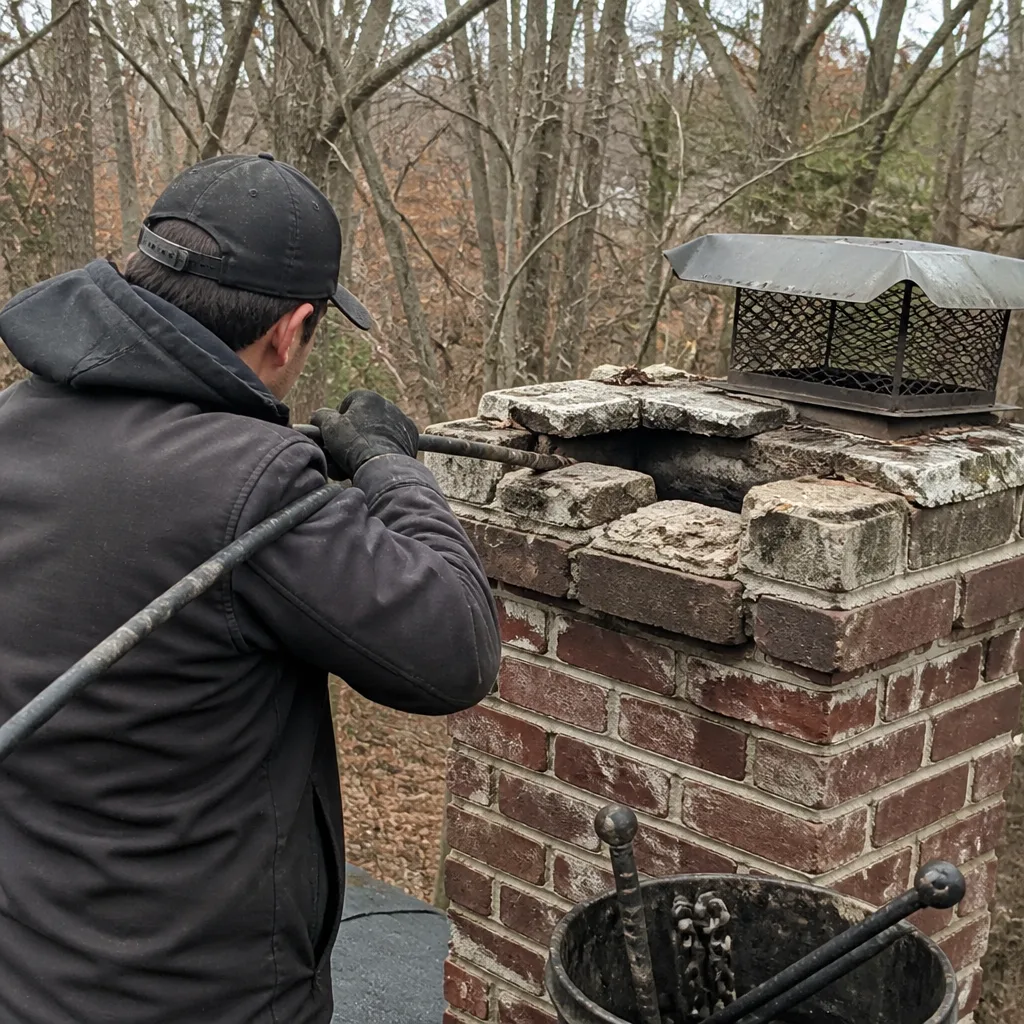 Before
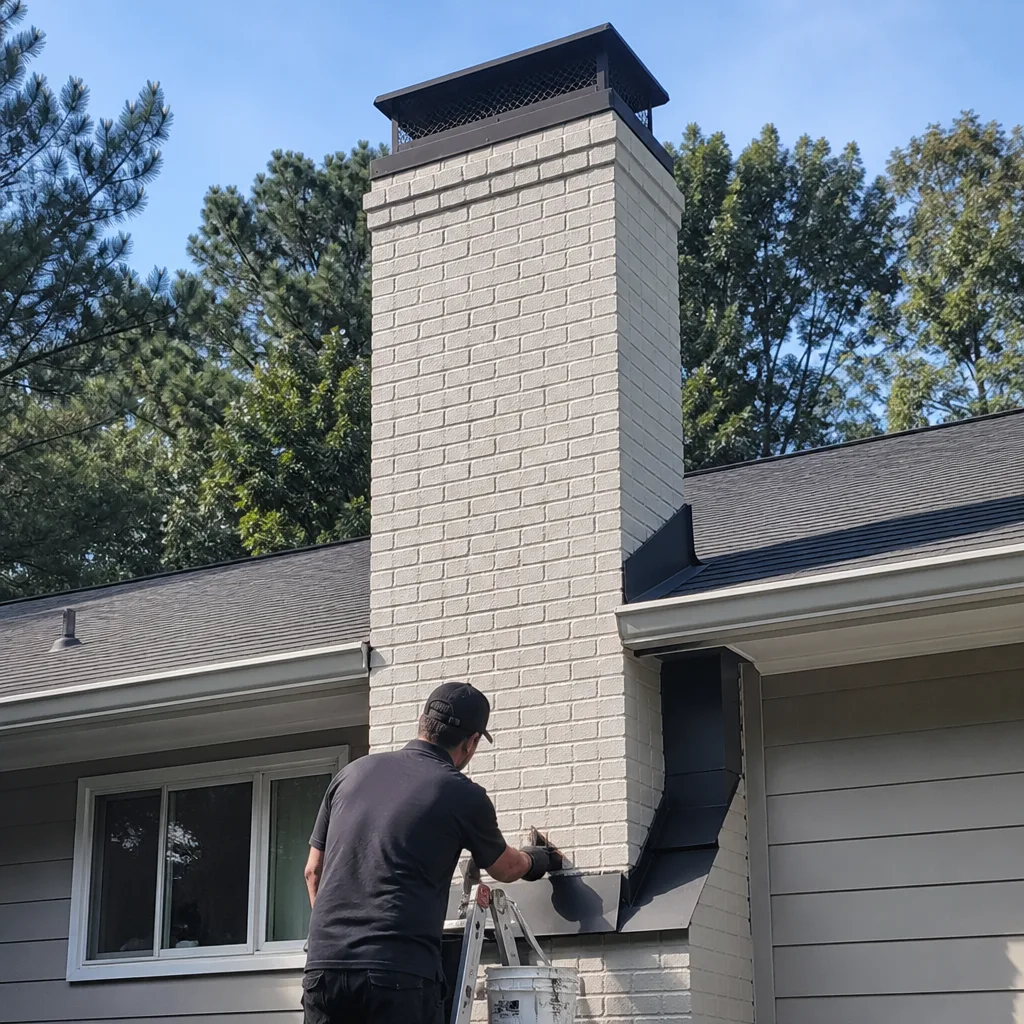 After
After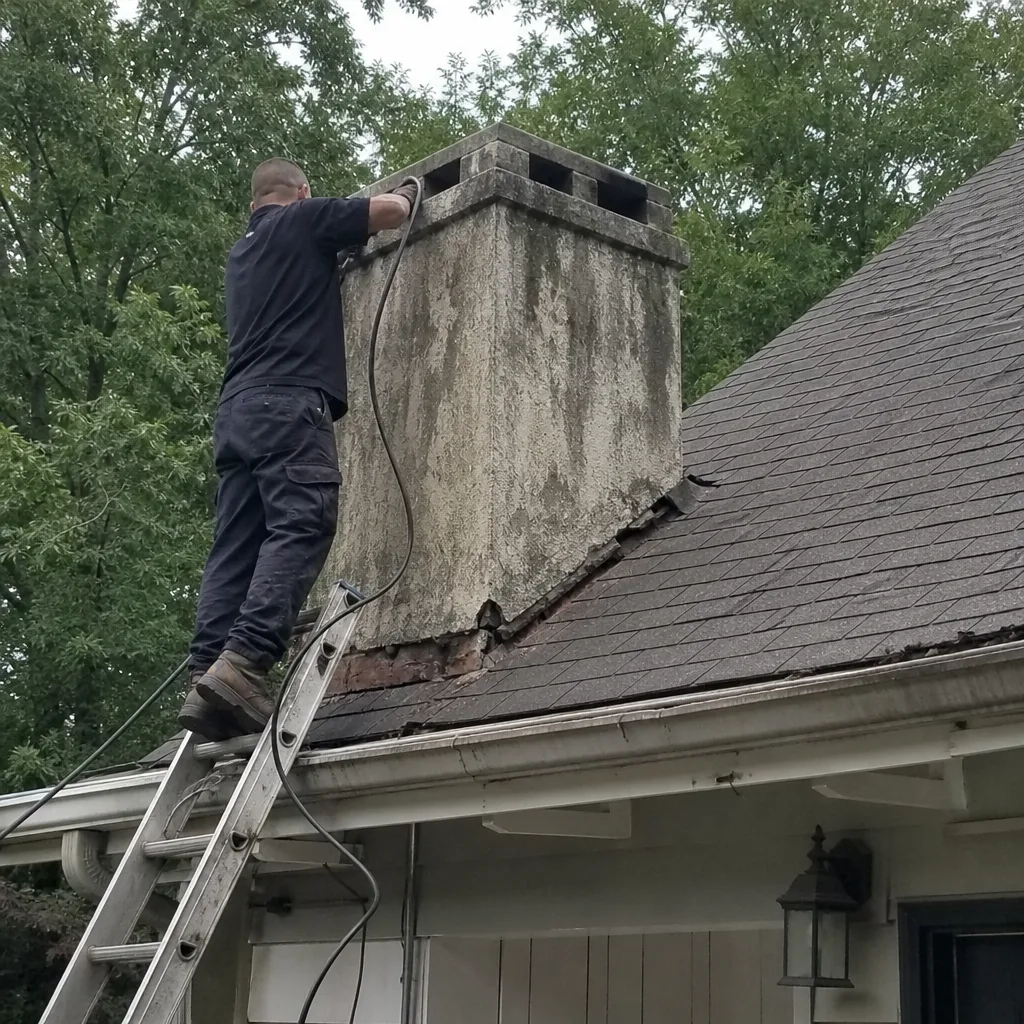 Before
 After
After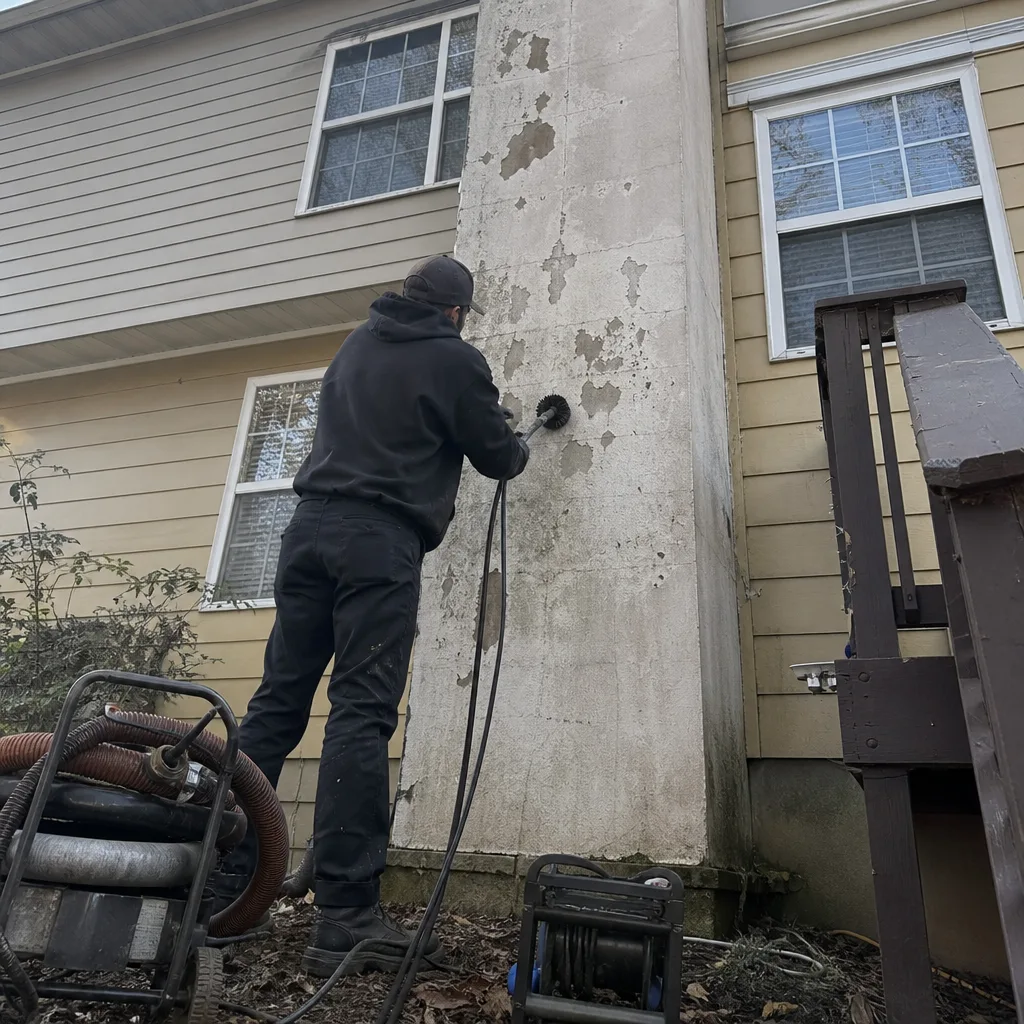 Before
 After
After