
Last updated October 15, 2026
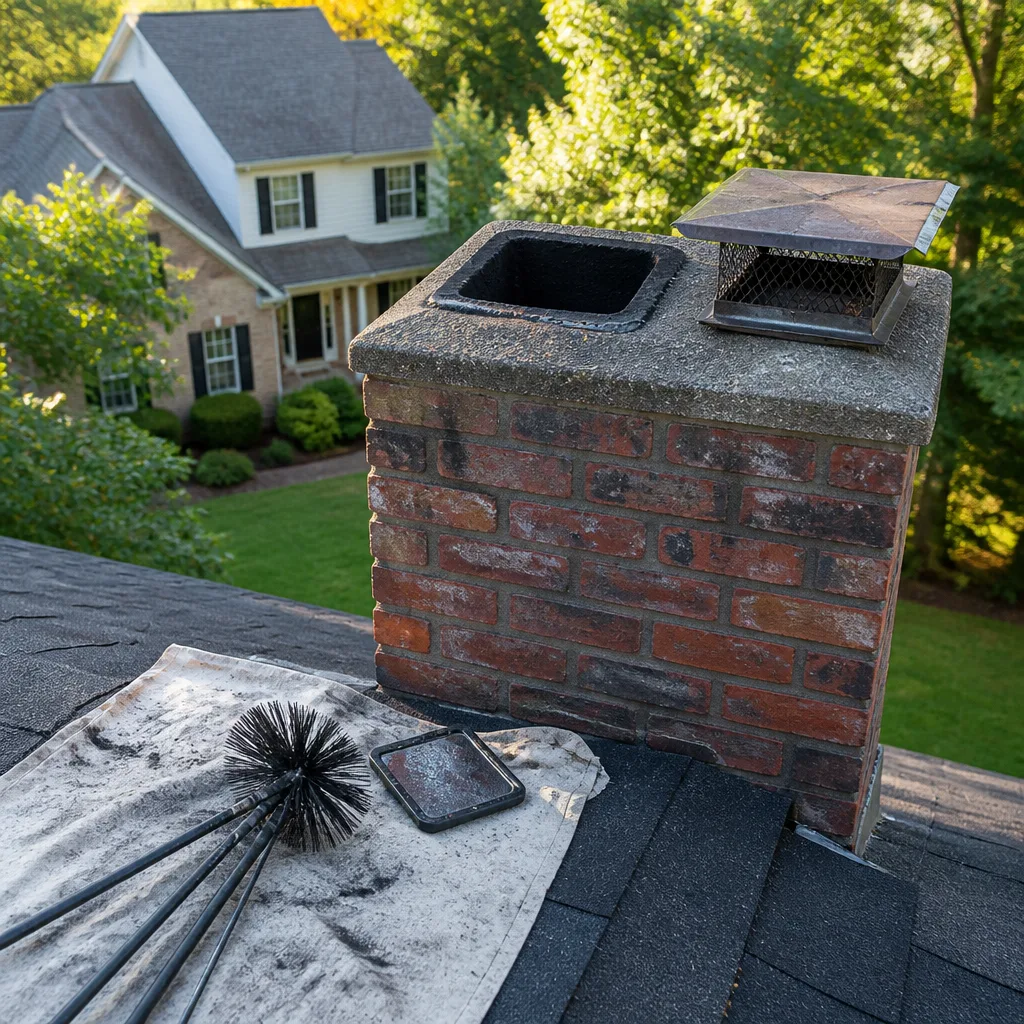 Sweep & inspection
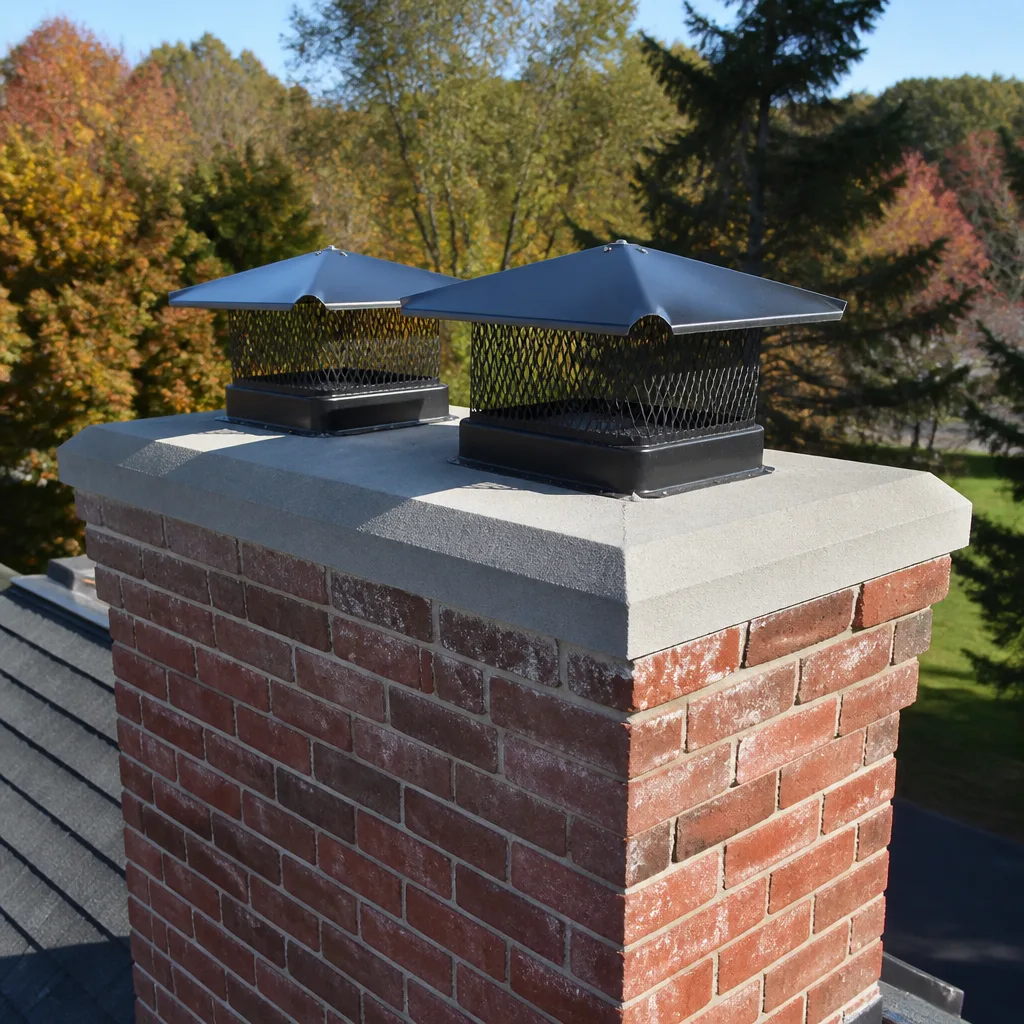 Caps & crowns
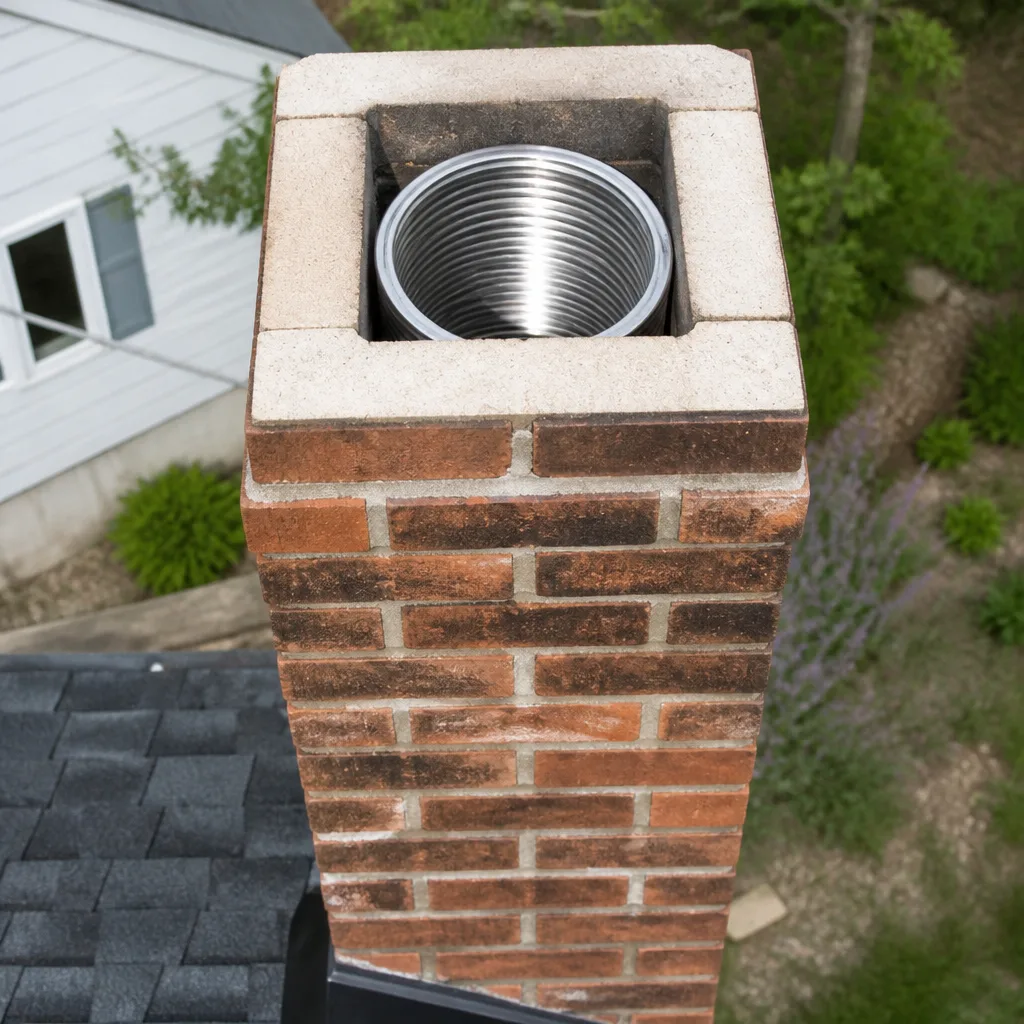 Flue relining
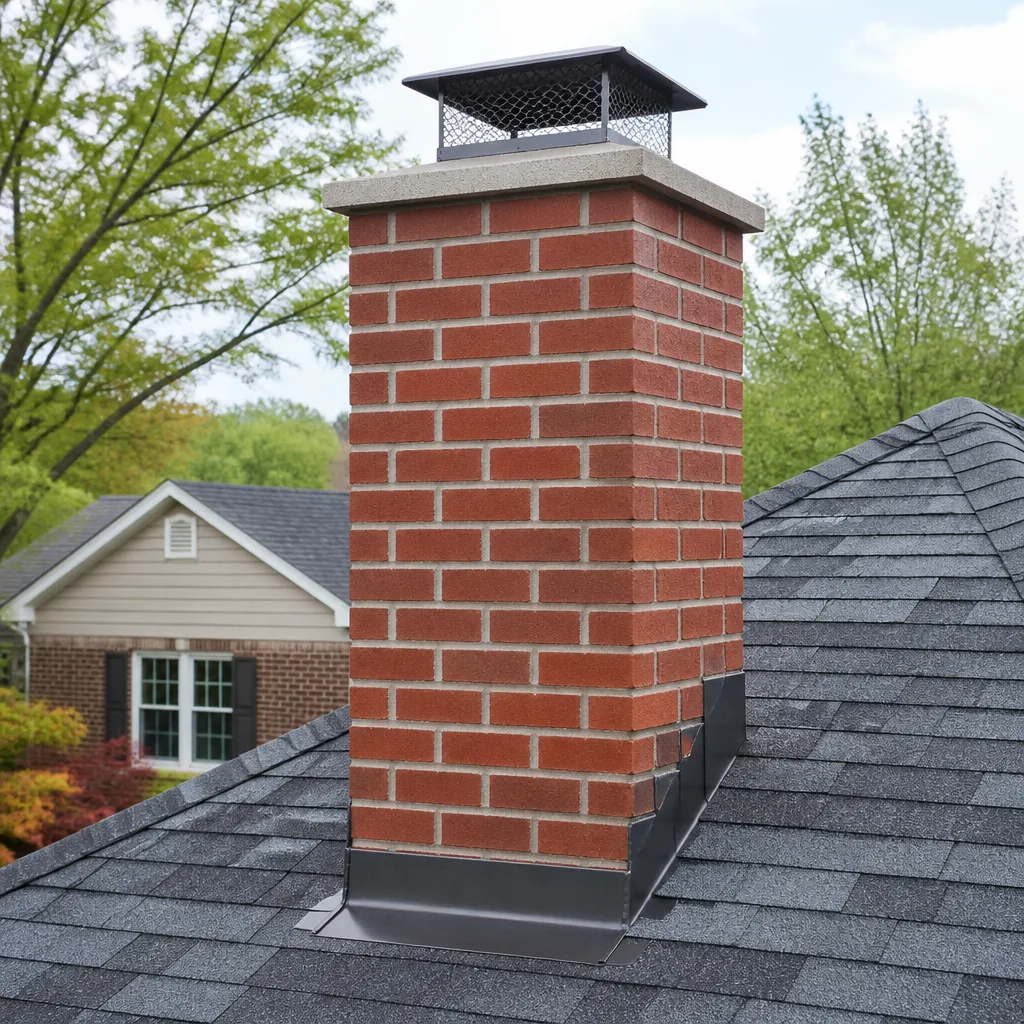 Masonry repair
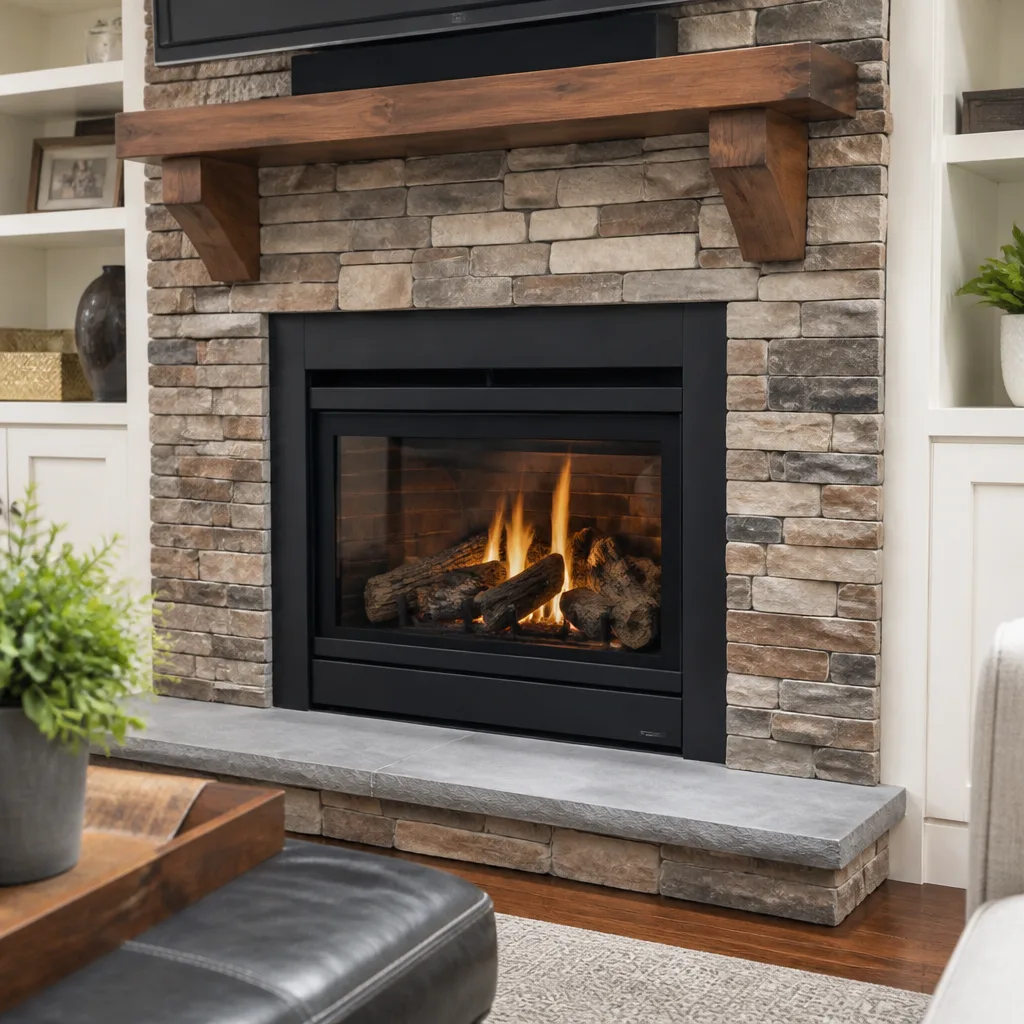 Gas fireplace service
Level 1 sweep and inspection to the NFPA 211 annual standard - flue, crown, cap, and flashing checked and photographed
Chimney sweep logs do not sweep chimneys. They loosen some creosote - which then falls where a brush and vacuum still have to collect it.
Chimney Sweep Maintenance Checklist for Marietta Homeowners
Most chimney maintenance checklists fail for a simple reason: they tell you *what* to check without explaining what you’re actually looking at. “Inspect the flashing” means nothing if nobody’s told you that flashing is the metal strip sealing your chimney to your roof, or that Marietta’s January freeze-thaw cycles are the single most common reason it fails and quietly sends water into your attic. This guide fixes that problem. You’ll learn what to eyeball from your living room, what requires a trained tech with a camera, when each check matters in Cobb County’s climate, and how to build a photo record that proves your chimney’s condition year after year. No vague advice, no scare tactics. Just the same checklist our techs walk through, translated into plain language for a Marietta homeowner.
Quick Answer
A proper Marietta chimney maintenance program has three tiers: monthly visual checks of your firebox and damper that take under five minutes, seasonal checks tied to local weather events (after summer thunderstorms and after January freeze-thaw cycles), and our Chimney Sweep services with a professional camera inspection at least once a year to examine the liner, smoke chamber, and crown that you cannot see from the ground. Homeowners should document everything with smartphone photos, store the records digitally, and treat three red flags as stop-now-and-call-a-pro items: water stains on the ceiling near the chimney, crumbling mortar joints visible from the ground, or a damper that won’t fully open or close.
Styles & brands we work with
Table of Contents
- The Tiered Checklist: What You Can See vs. What Needs a Camera
- Marietta’s Seasonal Triggers: When to Check What
- Documenting Your Chimney’s Baseline: The Smartphone Photo System
- Red-Flag Items That Pause the Checklist
- Storing Service Records and Inspection Reports for Resale
- The Step-by-Step Annual Inspection Walkthrough
- Common Mistakes to Avoid
- When to Call a Professional
The Tiered Checklist: What You Can See vs. What Needs a Camera
Here’s the truth most chimney companies won’t tell you plainly: about half of what matters in a chimney inspection is visible to a careful homeowner, and the other half requires a camera on a flexible rod threaded up through the flue. Knowing which tier you’re in saves you money and keeps you from getting talked into work you don’t need.
Tier 1: What you can check from inside your home, no tools required
- The firebox: This is the brick or stone box where the fire actually burns. Look for cracked bricks, missing mortar between joints, or a whitish powdery residue called efflorescence, which signals water is moving through the masonry. In Marietta homes built before 1980, fireboxes often show hairline cracks in the back wall from decades of thermal cycling.
- The damper: That metal plate just above the firebox, typically controlled by a lever or chain. It should open and close with firm resistance, not flop around. A damper that sticks or won’t seal contributes to high heating bills in winter and lets conditioned air escape all summer. We see this constantly in East Cobb colonials built in the 1970s.
- The smoke shelf: Shine a flashlight up past the open damper and angle it around. You’re looking at the flat surface that catches falling debris and helps direct smoke up the flue. If you see more than a light dusting of black material, you’re looking at creosote buildup that belongs on the sweep schedule, not the ignore list.
- Hearth clearance: The noncombustible floor in front of your firebox should extend at least 16 to 18 inches from the opening. If furniture, rugs, or holiday decorations have crept into that zone, move them back. It’s a fire-safety issue that costs exactly zero dollars to fix.
Tier 2: What requires a trained technician with a camera
- The flue liner: This is the clay tile or metal pipe that carries smoke from your firebox to the top of the chimney. You cannot see it from the ground, and you cannot see it from the roof either. A camera inspection shows cracks, gaps, or missing sections. In Cobb County, older brick chimneys often have clay liners that have cracked from decades of Georgia’s freeze-thaw cycles, which is why a Chimney Repair in Marietta often starts with a camera report you can see with your own eyes.
- The smoke chamber: The sloped section above the smoke shelf, below the flue. It gets coated in creosote but is awkward to reach and hard to see. This is the area most homeowners never even hear about. A camera reveals whether it’s smooth and clean or caked with flammable residue.
- The crown: The concrete slab that caps the top of the chimney. It should slope away from the flue opening so water runs off the edge, not into the brick. Hairline cracks in a Marietta crown turn into freeze-thaw fractures by February. We replace crowns in Kennesaw, Sandy Springs, and throughout Cobb County every winter for exactly this reason.
- The flashing and chimney-to-roof junction: Already mentioned, but it belongs on the tiered list because even though you *can* glimpse it from a ladder, actually evaluating the seal requires getting up close and checking the counterflashing where it bends into the mortar joint.
Our position at Hadley Chimney Marietta is simple: we show you the camera footage before recommending any work. If the liner is clean and intact, we’ll tell you that plainly and send you the photos to prove it. Nothing we recommend is based on what you can’t verify.
Marietta’s Seasonal Triggers: When to Check What
Generic chimney advice says “schedule an annual inspection” but doesn’t tell you *when* in Marietta. The local calendar matters because our two biggest chimney threats are seasonal and predictable: summer thunderstorms and winter freeze-thaw cycles.
Late summer: the post-thunderstorm check, before first fall fire
Cobb County gets hit with afternoon thunderstorms from May through September, and a single severe storm can drive water into chimney joints that looked fine in April. Sometime in September, before you light that first fire of the season, do this:
- Stand in your attic with a flashlight on a bright afternoon, right after rain. Look at the roof decking where the chimney passes through. Dark staining, soft wood, or damp insulation means water has already entered.
- From the ground, use binoculars or your phone’s zoom camera to photograph the crown, brick faces, and flashing. Look for missing mortar joints, cracks in the crown, or metal that’s lifting away from the brick.
- Inside the house, run a hand along the ceiling near the chimney. Stains are obvious, but a chalky texture or peeling paint also signals past moisture.
- Open the damper and sniff. A strong smoky odor in the heat of August means creosote is building up or a draft issue is pulling stink down from the flue.
Late January: the post-freeze-thaw check
Marietta winters are mild by northern standards, but we get those freeze-thaw cycles where the temperature drops below 32°F at night and rises above it by afternoon. Water absorbs into brick and mortar, freezes, expands, and cracks the masonry over repeated cycles. By late January, the damage from December’s freezes starts to show.
- Walk around the chimney’s exterior and look for fresh cracks in the brick faces or mortar joints that weren’t in your September photos.
- Check the crown for new chips or spalling, which is when the top layer of concrete flakes away.
- Inside, run the damper and look for any change in how it operates. Freeze-thaw shifting can jam dampers slightly out of alignment.
- If a January storm brought freezing rain or sleet, check the cricket, which is the small peaked roof structure behind a wide chimney that diverts water around it. If water sits and freezes there, it works its way under the flashing.
- Create a dedicated album on your phone called “Chimney” or “Chimney [Year].” Every photo goes there, not scattered through your camera roll.
- Take the same ten photos every time: firebox interior, damper open from below, smoke shelf with flash, hearth and clearance zone, ceiling near the chimney (inside), attic roof decking at the chimney penetration, ground-level shot of the full chimney from your front yard, ground-level shot of the full chimney from your back yard, zoomed crown shot, zoomed flashing shot. Same order, same angles every time.
- Date them. Your phone does this automatically, but add a note in the filename or a text note with the date and any weather context, like “after January freeze” or “before first fire, September.”
- When we do a professional inspection, ask for the camera stills. At Hadley Chimney Marietta, our photo documentation goes to your phone through a digital link. Save them to the same album. You now have professional and amateur photos side by side.
- Water stains on the ceiling or walls near the chimney. This is never normal and never “just condensation.” Water is getting in somewhere, and the longer it runs, the more it costs to fix. It may be the flashing, the crown, the liner, or the brick itself, but finding the source requires an inspection, and in Marietta’s climate, the damage compounds every freeze cycle.
- Crumbling or missing mortar joints visible from the ground. If you can see gaps between bricks from your driveway, the chimney is taking on water. This is a repointing job, and while it’s straightforward masonry work, it’s not DIY territory because getting mortar mix and profile right on a working chimney matters.
- A damper that will not fully open or close. A stuck-open damper means your HVAC air is escaping up the chimney year-round, which hits your power bill every month. A stuck-closed damper means you can’t burn safely. Both are fixable, but operating a fire with a damper that won’t behave is a carbon monoxide risk, and that warrants a professional call.
- Visible creosote buildup thicker than a credit card. When you shine a light up the flue and see black, shiny, or puffy residue on the walls, that’s creosote, the flammable tar-like byproduct of wood combustion. A thin, dusty layer is normal between sweeps. A thick, glossy layer is a chimney fire waiting for ignition. In our experience, this is most common in Marietta homes where the previous owner burned a lot of unseasoned wood.
- Spalling brick or a cracked crown. Spalling is when brick faces flake off or chunks fall from the exterior. It means water has saturated the masonry and is now breaking it apart from the inside. By the time you see it, the damage has been happening for years.
- Every inspection report, with the date, the tech’s name, and the scope of what was checked
- Every receipt for sweep service or repair work
- Every before-and-after photo set from the inspection company
- Product documentation for any repair materials used, like DuraFlex liner sections or HeatShield ceramic repair compound if a previous repair was done
- Any written guarantee documentation that accompanied a repair
- Exterior ground assessment: Walk the perimeter and photograph all four faces of the chimney. Look for missing mortar, spalling brick, staining, or vegetation growing in joints. Check the concrete cap and metal flashing. Look for rust on any visible metal components.
- Roof-level inspection: With proper ladder and safety gear, examine the crown up close. Test the flashing seal. Check the cricket. Look down the flue opening with a flashlight. In Marietta, this is also where we check for animal nests, since squirrels and raccoons love a warm chimney chase in the winter.
- Interior firebox assessment: From inside, inspect the firebox walls and hearth. Check the damper operation. Look for creosote levels on the smoke shelf.
- Camera scan of the flue liner: Run a camera from the top down and the bottom up. Look for cracks, gaps, or a liner in need of repair. We photograph everything and build a report you can see.
- Smoke chamber check: This is often done with the camera angled up from the firebox. Look for creosote buildup and rough surfaces that trap more of it.
- Draft test: Verify that the chimney pulls properly, with no smoke spilling back into the room. This catches many issues that a visual only misses.
- Report with photos and recommendations: You get the camera stills, a summary of findings, and a clear recommendation. If work is needed, you get a written price before anyone picks up a brush. If nothing is needed, you get a clean report and we tell you to come back next year.
- Burning unseasoned pine from the backyard. Georgia pine burns hot and fast and produces heavy creosote when it hasn’t been split and stacked for six to twelve months. If you’ve just had a tree trimmed, the wood is not ready to burn. We see the result in Marietta fireplaces every single winter.
- Assuming a chimney cap is optional. The screened cap at the top keeps out rain, animals, and debris. It’s not decorative. A missing cap in Marietta means a raccoon or squirrel den, a nest of leaves, or a thunderstorm draining straight into the fireplace.
- Checking the firebox only, never looking up. Most homeowners glance at the firebox and call it done. The liner, smoke chamber, and crown are doing the actual work. Neglect the unseen parts and you’ll have a problem you never saw coming.
- Putting off the annual sweep because “we barely use it”. Even occasional use builds creosote, and long idle periods invite animal intrusion and water damage. Marietta’s humidity also accelerates internal dampness in a chimney that never gets a hot burn to dry it out.
- Lighting a fire after water damage without an inspection. If you had a leak, don’t figure “it dried out, it’s fine.” Waterlogged brick and mortar plus heat is a recipe for steam spalling and cracked liners. Get it looked at.
- Ignoring damper function outside of fall. A damper that doesn’t seal costs you money every month in HVAC loss. Check it in the spring and summer too, not just when you’re preparing to light a fire.
These seasonal checks take fifteen minutes total and catch problems when they’re cheap. Most of the chimney repairs we do in Marietta during February and March trace back to water that entered during a weather event the homeowner didn’t check after.
Documenting Your Chimney’s Baseline: The Smartphone Photo System
The most useful chimney habit most Marietta homeowners never develop is simple: take photos now, so you can compare later. Without a baseline, “has that crack gotten bigger?” is impossible to answer. With a baseline, it’s a five-second comparison.
The system:
This system pays off in three ways: it catches slow-developing problems early, it gives you records if you ever sell the house, and it prevents the “the chimney guy said it’s fine” shrug when you can actually pull up photos and see what condition things were in. We’ve had customers in Marietta use their photo albums to show us exactly what a chimney looked like three years prior, and it changes the conversation from guesswork to evidence.
Red-Flag Items That Pause the Checklist
Certain findings mean you stop the DIY checklist and make a call before anyone lights a fire. These aren’t “keep an eye on it” items. They’re “this needs a professional assessment before use” items.
Any one of these means pause the fireplace use until a professional looks. Call a Chimney Sweep in Marietta and tell them what you found. Be specific: “I see missing mortar joints on the south face” gets you a more honest conversation than “there’s something wrong with my chimney.”
Storing Service Records and Inspection Reports for Resale
When you sell a home in Marietta, the buyer’s inspector will flag chimney issues, and the negotiation that follows is almost always about documentation. “We had it swept in 2022” carries a fraction of the weight that a dated inspection report with photos carries. Here’s how to keep records organized so they actually help you.
Keep a digital chimney folder, separate from your photo album, with the following stored as PDFs or clear phone scans:
If you work with Hadley Chimney Marietta, you get all of this in a digital format by default, because our reporting is designed around the accountability of before-and-after photo documentation and written pricing before work starts. That’s not a Marietta-specific feature; it’s how we operate on every visit. But if you’re using another company, ask for the same records. Any reputable chimney service will provide them.
At resale, this documentation does three things: it proves the chimney has been maintained (reducing the buyer’s ask for concessions), it gives the buyer a clear picture of what was done and when, and it eliminates the “unknown chimney” discount that sellers in Cobb County often see when no records can be produced at all.
The Step-by-Step Annual Inspection Walkthrough
This is the exact sequence we use when we inspect a chimney in Marietta. Homeowners won’t do the camera portion, but understanding the full flow helps you know what the technician should be checking and what questions to ask.
The order matters. Starting from the outside and working inward means the technician sees the whole chimney system, not just the flue. A Hadley Chimney Marietta home inspection follows this sequence every time.
Common Mistakes to Avoid
When to Call a Professional
Call a chimney professional when you find any of the red flags listed above, when your annual camera inspection is due, when you’ve attempted a fire and smoke pours back into the room, or when you’re buying or selling a home and need documentation for a chimney that’s been in service for years. If you’re in Marietta, Hadley Chimney Marietta offers free estimates and can run the full camera inspection with photo documentation to your phone. Call (762) 249-4619. We’ll schedule a tracked arrival window, send you a written price before any work begins, and give you the before-and-after photos that show what was actually done.
See the difference
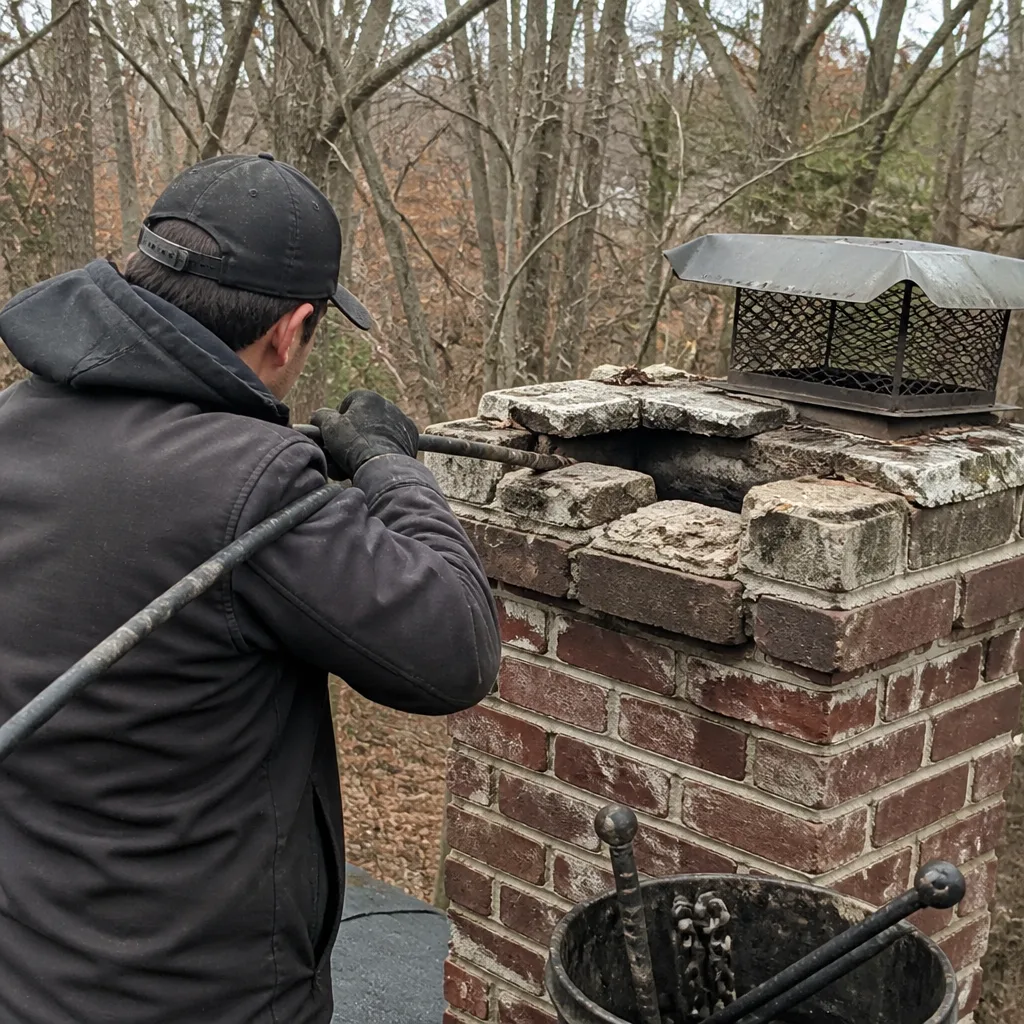 Before
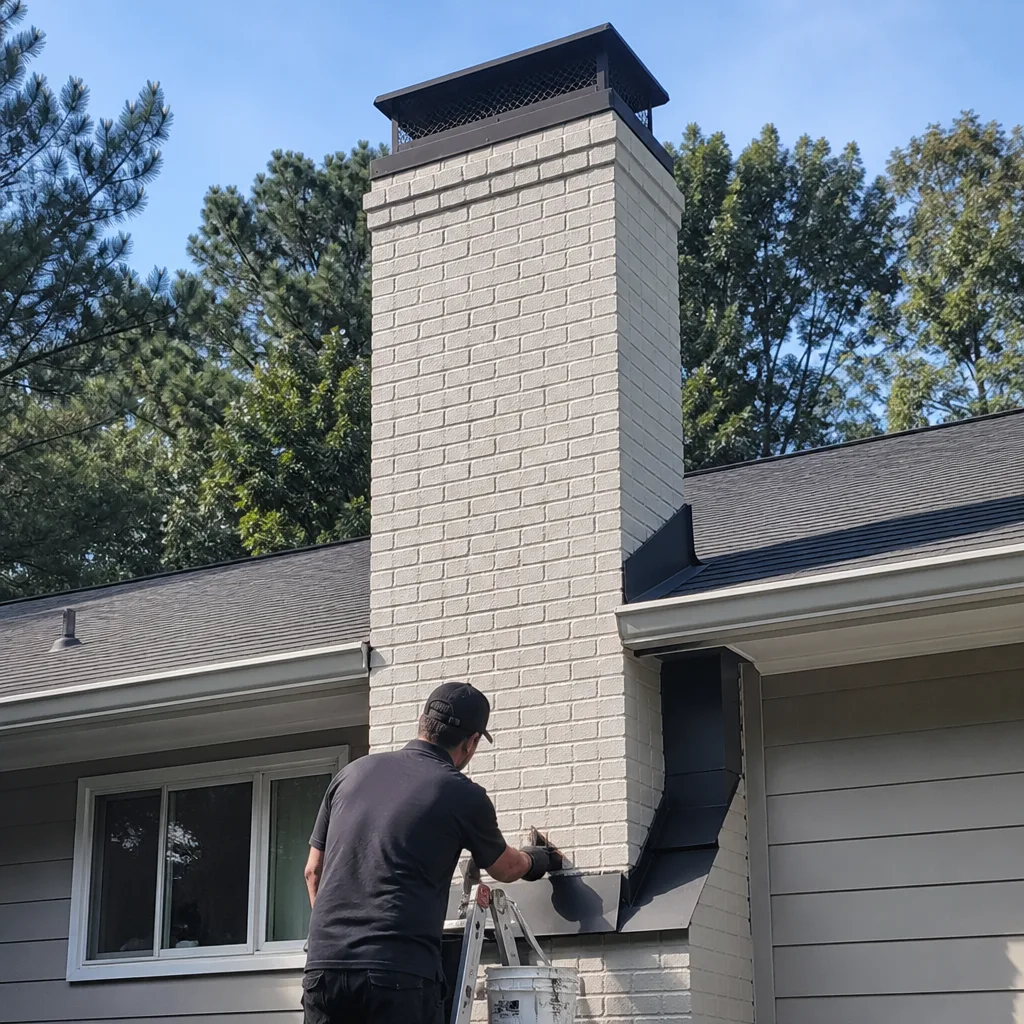 After
After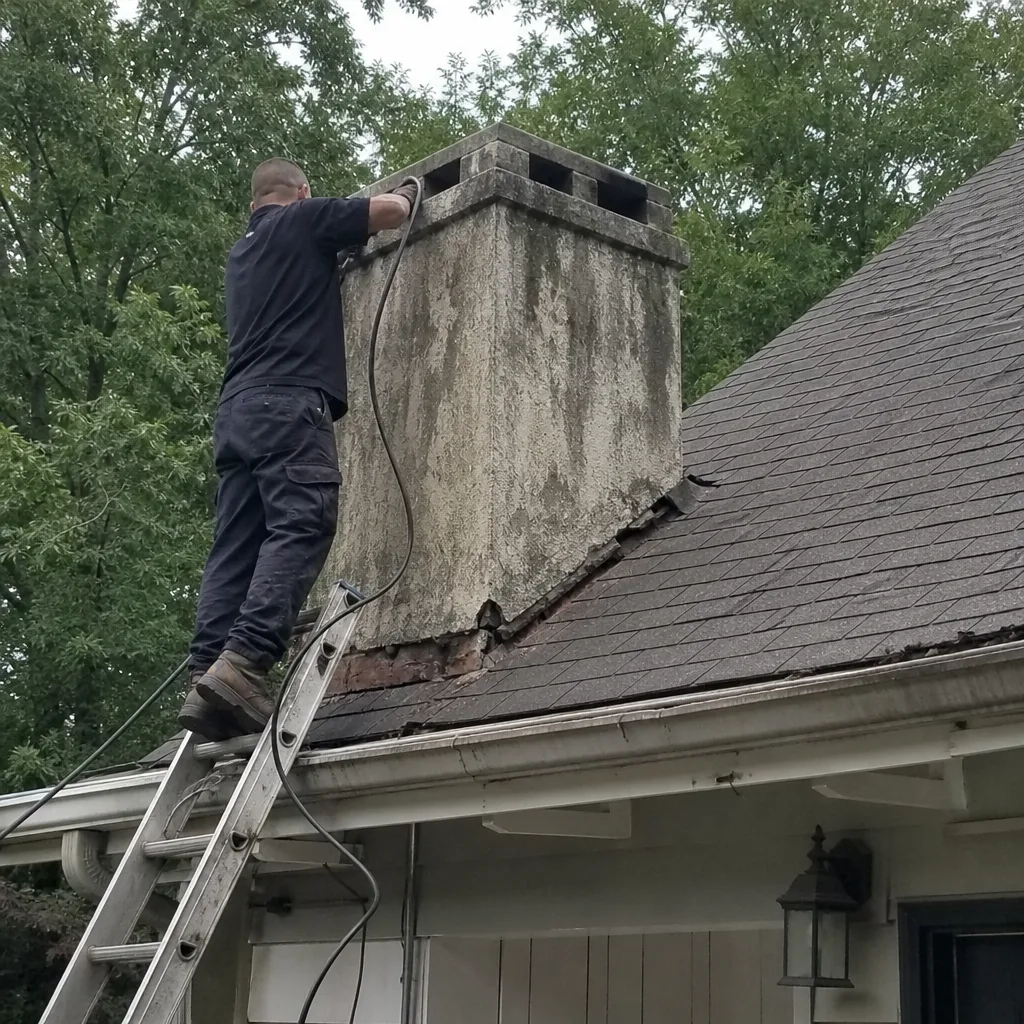 Before
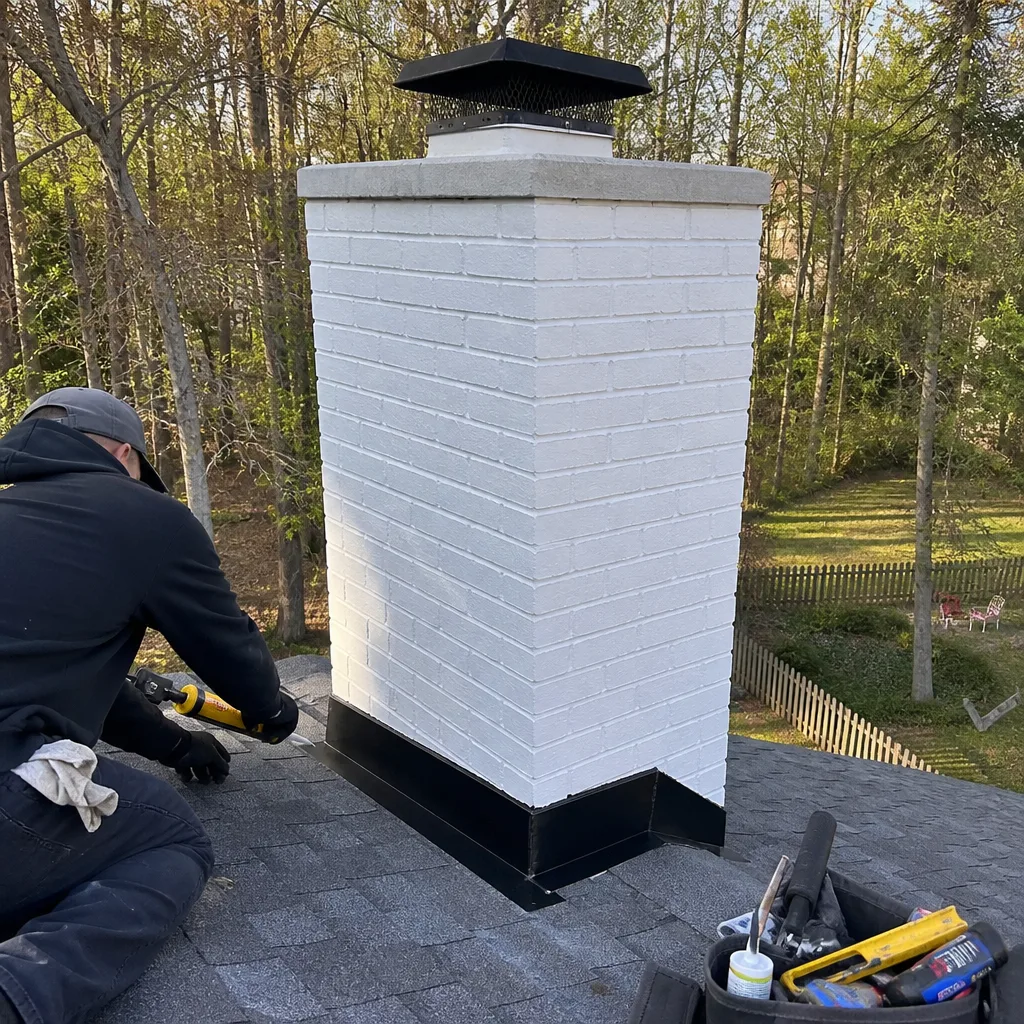 After
After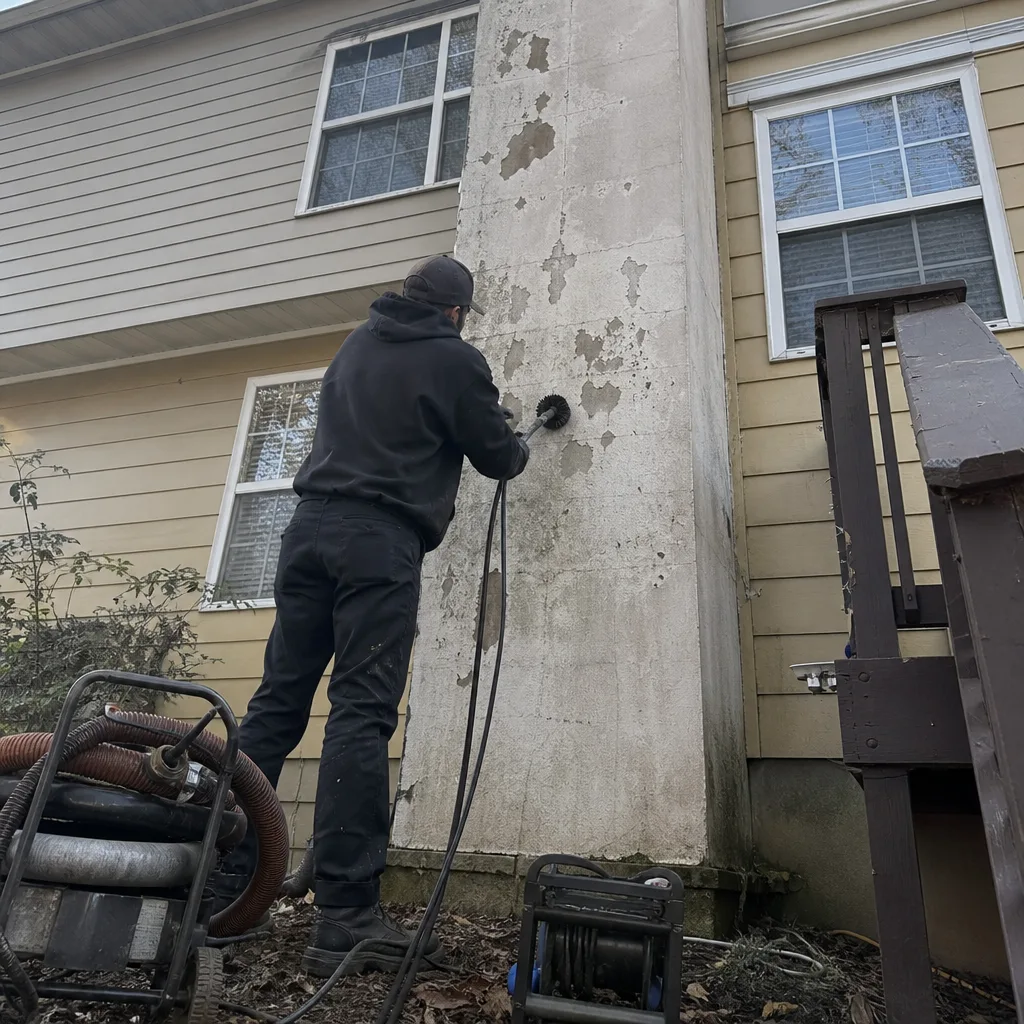 Before
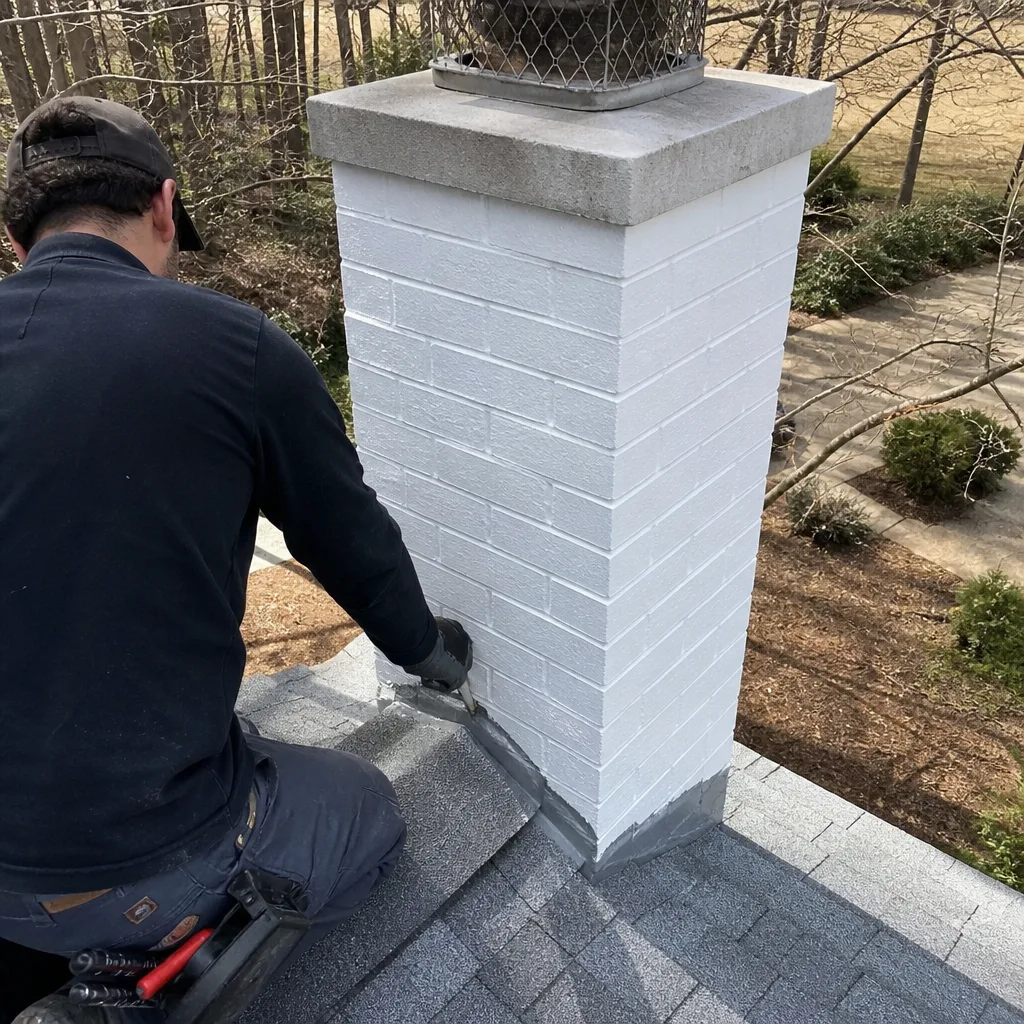 After
AfterFrequently Asked Questions
A standard chimney sweep in Marietta typically runs $150 to $350 depending on the height of the chimney, the amount of creosote buildup, and whether any animal nests or debris are present. Homes with second-story chimneys or steep roofs in areas like East Cobb will fall on the higher end. A sweep that includes a camera inspection may add to the total, but it’s the single most valuable dollar you can spend because it shows the condition of the liner you can’t see any other way. Call (762) 249-4619 for an exact quote before any work is scheduled, and know the price before anyone arrives.
You need a new liner if the camera inspection shows cracks, gaps, or missing sections in the existing liner, because those defects allow heat and carbon monoxide to reach combustible materials in your home. A cracked clay liner is not a “watch and wait” item; it’s a repair that gets worse with every freeze-thaw cycle in Marietta. Before we ever recommend a liner replacement, we’ll show you the camera evidence and explain exactly what you’re seeing. If the liner is intact, we’ll say so and send you home with photos proving it.
Every chimney should be swept at least once a year, and more often if you burn more than a cord of wood per season or burn unseasoned wood. The National Fire Protection Association recommends annual inspection and cleaning as needed. In Marietta, the practical rhythm is a sweep in late summer or early fall before the first fire, and an additional check after January freeze cycles if you’ve had water intrusion. If you use a gas fireplace, it requires different maintenance, which you can learn more about from our Gas Fireplace Repair in Marietta page.
Skipping chimney maintenance doesn’t cause dramatic failure overnight; it causes slow, compounding damage that bills you later. Creosote builds to the point where a chimney fire becomes a real risk, which can crack the liner and send flames into your attic. Water enters through a cracked crown or failed flashing and widens the damage every freeze-thaw cycle. Animals move in when a cap is missing. Each of these costs hundreds to thousands to repair, while the sweeps and inspections that would have prevented them total a fraction of that over the same years. The math is not close.
Yes, and you should, every month. Check the firebox, damper, smoke shelf (with a flashlight), ceiling near the chimney, and the exterior from the ground with your phone’s zoom camera. You can see a lot. But you cannot see the flue liner, smoke chamber, crown underside, or flashing seals without being on the roof or running a camera, and those are where the expensive problems live. Do the free visual checks yourself and pair them with a professional camera inspection once a year.
A chimney cap is the screened metal cover on top of the flue that keeps water, animals, and debris out of your chimney. In Marietta, it’s essential because our summer thunderstorms can drop an inch of rain directly into an uncapped flue, and our tree canopy sends leaves and twigs down the same opening. A cap also keeps animals out, and we routinely remove squirrel and raccoon nests from uncapped chimneys in Cobb County. If yours is missing or damaged, that’s a simple, worthwhile repair. Schedule it before the fall animal-denning season.
The Bottom Line
Marietta homeowners who build a simple, consistent chimney maintenance habit spend less on repairs and never light a fire with uncertainty. The system is straightforward: eyeball what you can see monthly, document everything with smartphone photos, run a professional camera inspection yearly, and match your seasonal checks to Cobb County weather. When you find a red flag, stop and call a professional, and when you hire work, get written pricing and before-and-after documentation. Hadley Chimney Marietta makes that visibility standard, and we’d rather show you a clean liner than sell you one you didn’t need. Use the lists in this guide, explore more guides & resources, build your photo album, and light the first fire of fall with confidence.
Written by Cory Mitchell, Owner at Hadley Chimney Marietta, serving Marietta since 2003.