
Last updated October 15, 2026
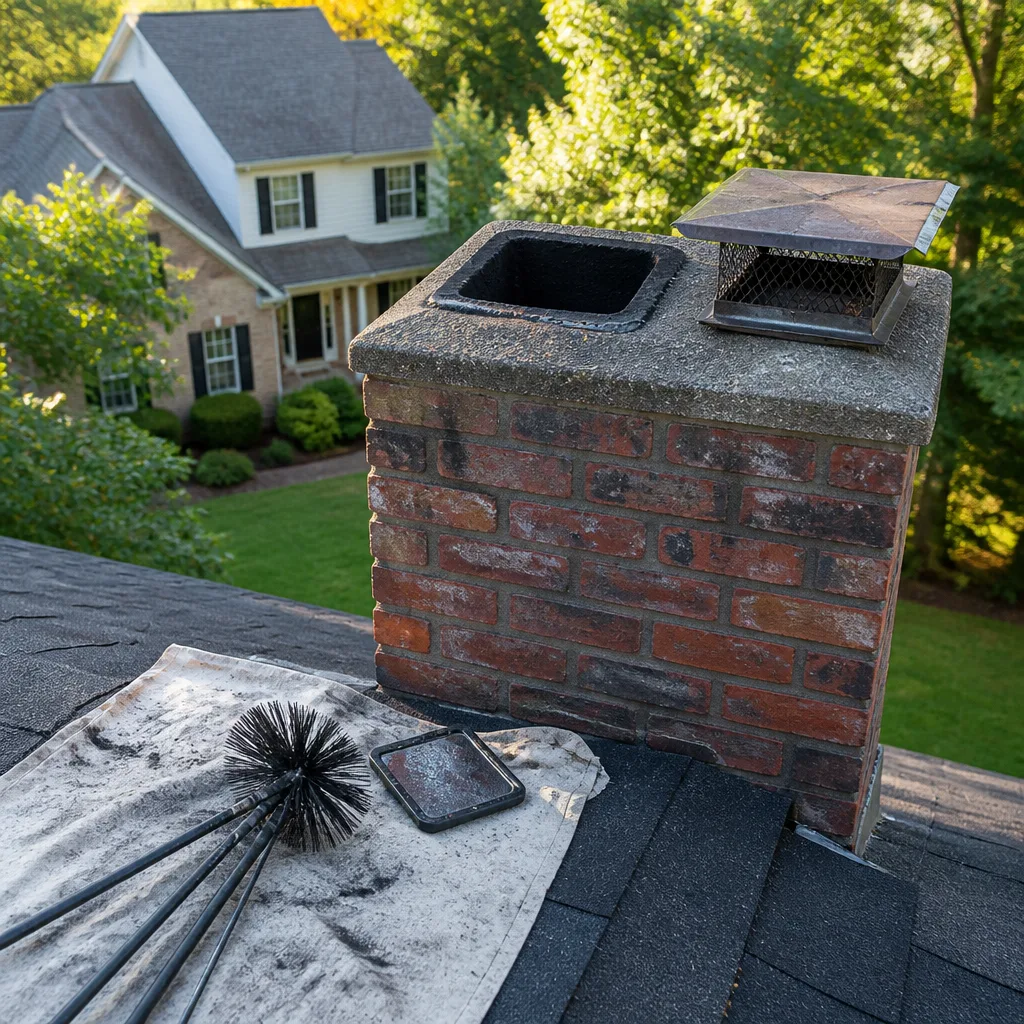 Sweep & inspection
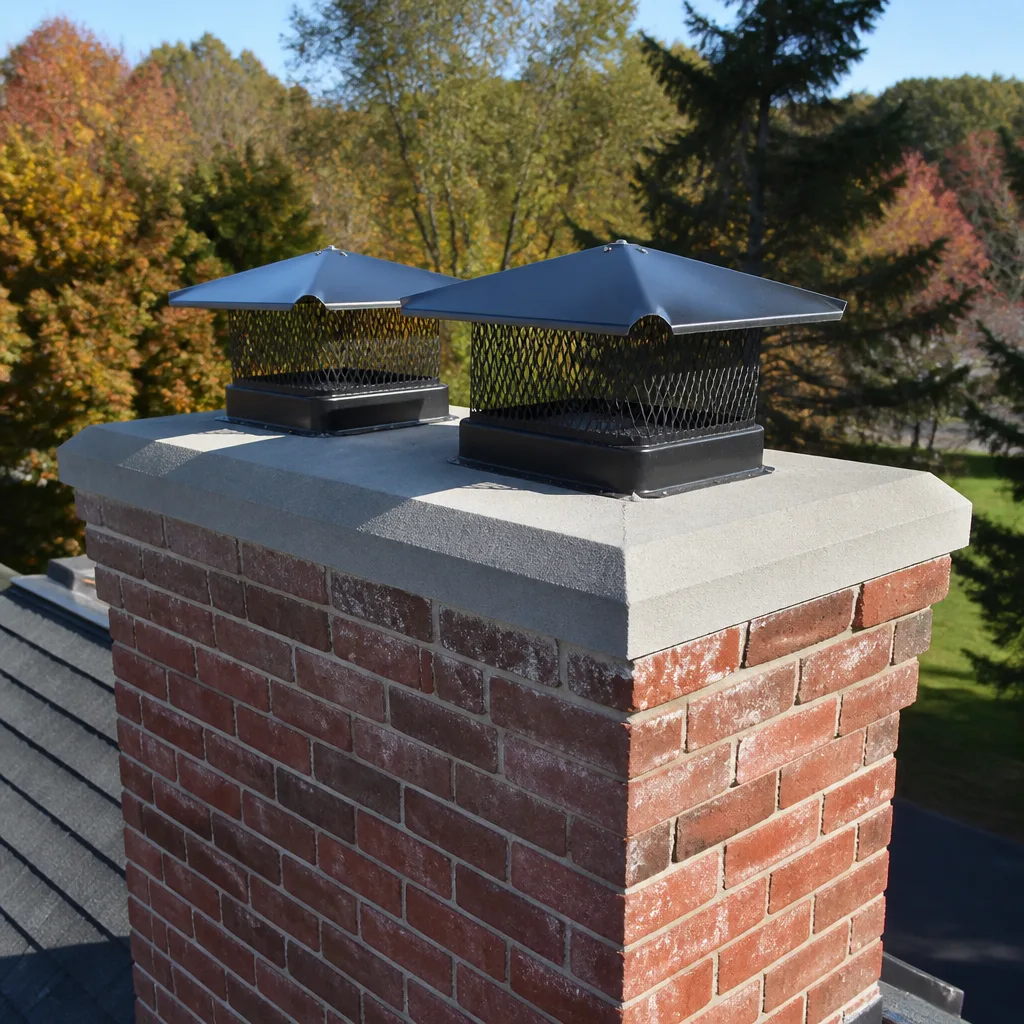 Caps & crowns
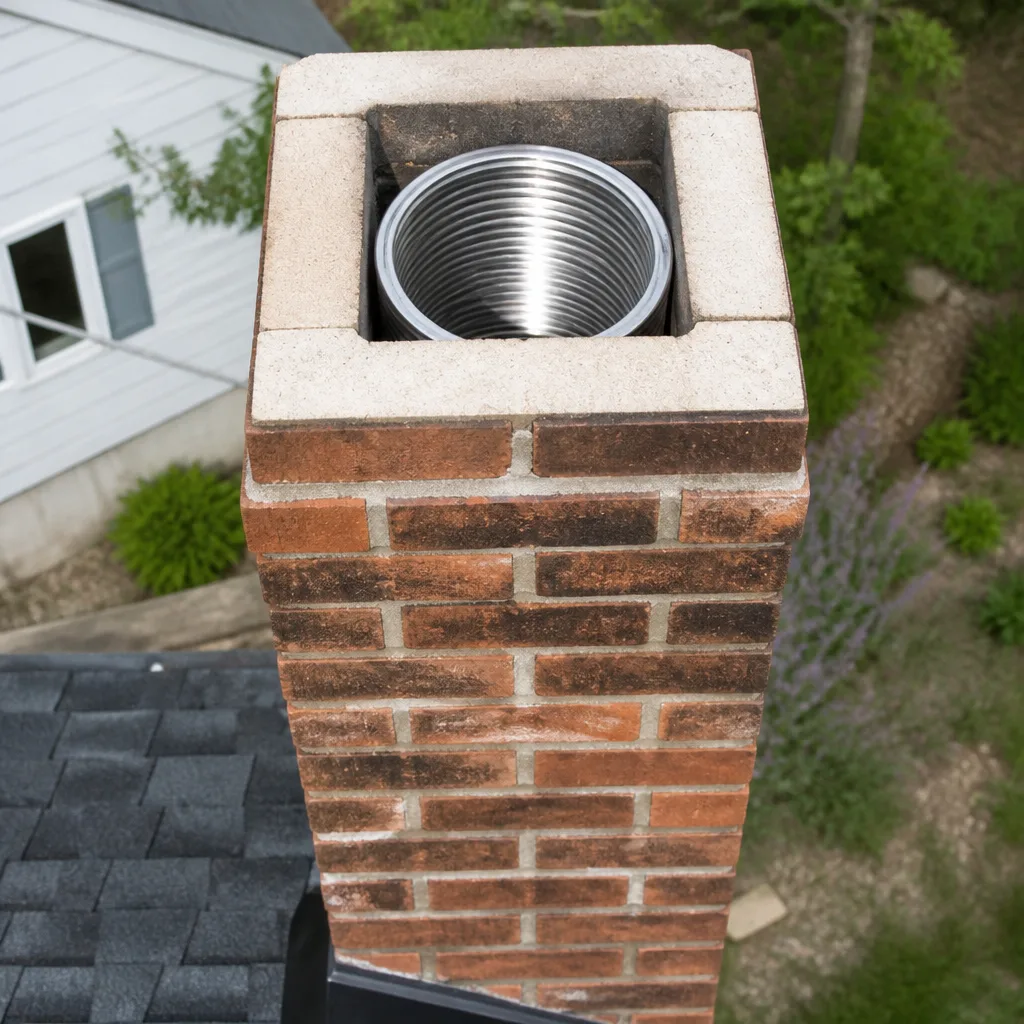 Flue relining
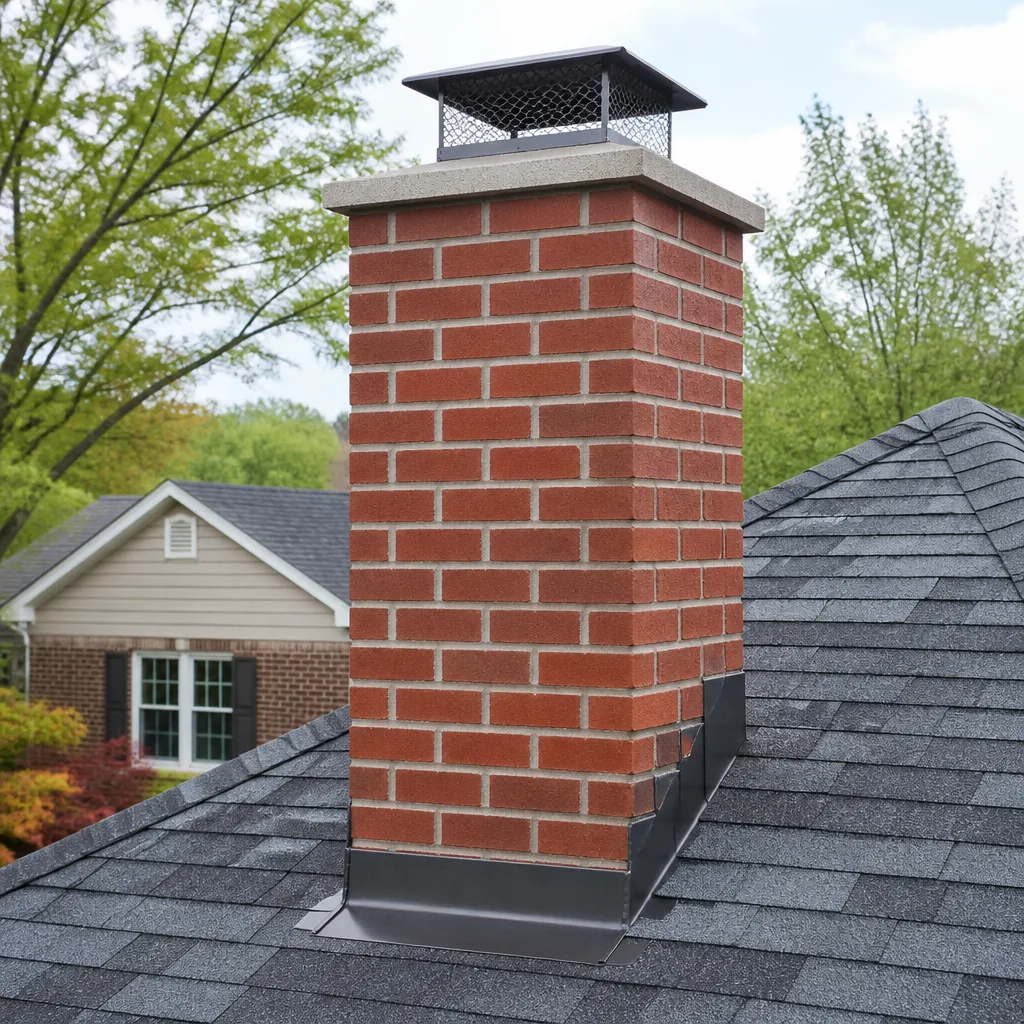 Masonry repair
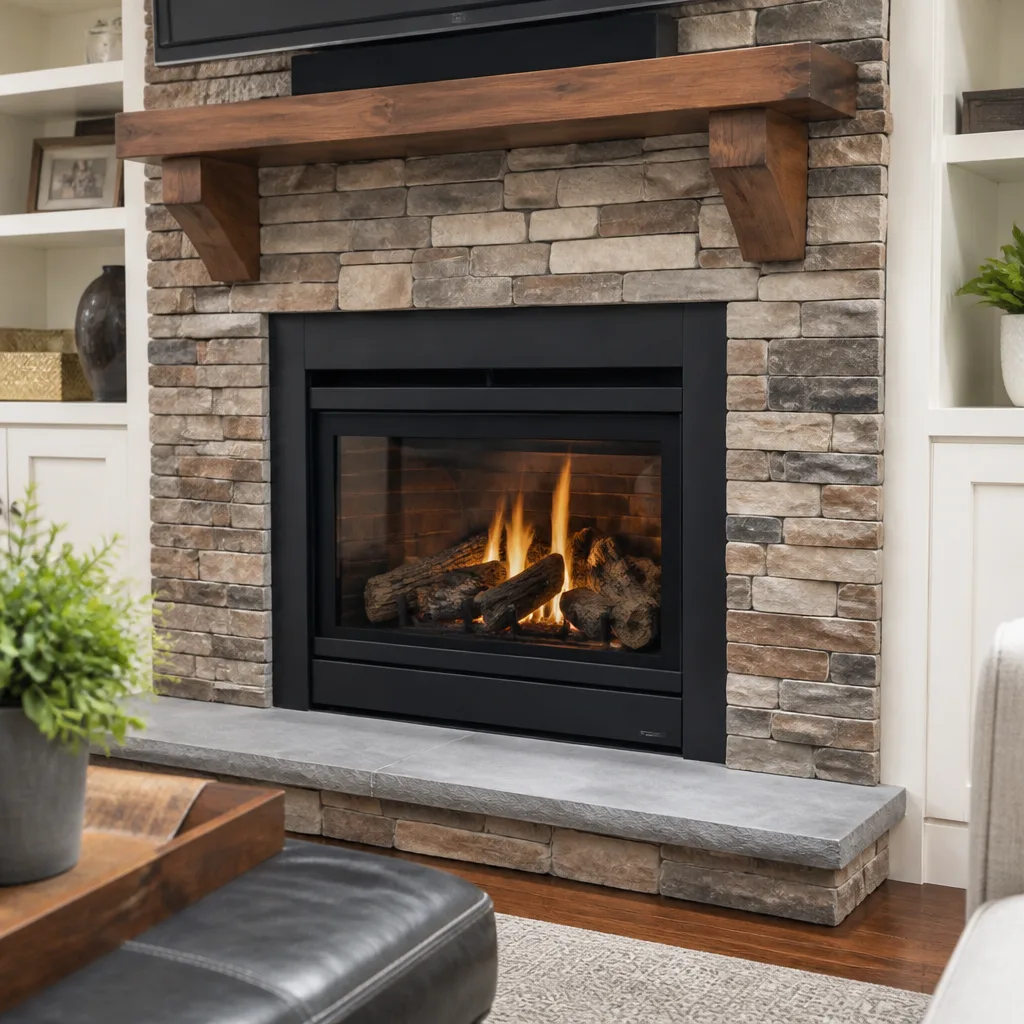 Gas fireplace service
Level 1 sweep and inspection to the NFPA 211 annual standard - flue, crown, cap, and flashing checked and photographed
Chimney sweep logs do not sweep chimneys. They loosen some creosote - which then falls where a brush and vacuum still have to collect it.
The Complete Guide to Chimney Cleaning in Marietta
Most national chimney guides treat Atlanta’s northwest suburbs as a generic “Southeast” climate zone, which misses something important: Marietta’s specific mix of high humidity, pine-heavy tree cover, and short but intense burn seasons creates creosote buildup patterns that differ measurably from what a generic maintenance calendar assumes. The CSIA estimates roughly 25% of home heating fires involve chimneys, but that national number doesn’t capture how green or partially seasoned wood, burned casually during Marietta’s compressed winter window, produces a stickier, faster-accumulating creosote than the drier hardwood burns common further north. This guide covers what a real Marietta chimney cleaning should include, what it costs, how often our climate actually demands it, and how to verify the work was done correctly.
Styles & brands we work with
Quick Answer
Chimney cleaning in Marietta typically costs $180 to $340 for a standard sweep with a Level 1 inspection, and most homeowners with wood-burning fireplaces should schedule one annually given our humidity and burn-season patterns. A legitimate cleaning includes brushing the flue, smoke chamber, and firebox, plus a camera inspection to document liner condition. Homeowners who burn pine or sweet gum more than twice a week during winter should consider a mid-season sweep as well; see our Seasonal Chimney Cleaning Care for Marietta: Year-Round Homeowner’s Guide for timing details.
Table of Contents
- Why Marietta’s Climate Changes the Cleaning Calendar
- What a Marietta Chimney Cleaning Actually Includes
- Level 1, Level 2, and Level 3 Inspections Explained
- Marietta Wood Species and How They Affect Creosote
- How Often Should You Sweep Your Chimney in Marietta?
- How to Read Before-and-After Photos From a Sweep
- What a Good Chimney Cleaning Costs in Marietta
- Common Mistakes to Avoid
- When to Call a Professional
- Frequently Asked Questions
- The Bottom Line
Why Marietta’s Climate Changes the Cleaning Calendar
Marietta sits in a humid subtropical zone, which means two things for your chimney that northern-state guides don’t account for. First, our air carries significant moisture year-round, and that moisture interacts with creosote (the flammable tar-like residue left behind when wood smoke cools and condenses inside the flue) in a specific way. In dry climates, creosote hardens into a brittle, flaky substance that often falls away or burns off during subsequent fires. In Marietta’s humidity, it stays tacky and adhesive, bonding to the flue walls and capturing more particulate with every burn. Second, our thermal swings, warm afternoons followed by cool nights from October through March, create condensation cycles inside the chimney that accelerate the glazing of creosote into its most dangerous Stage 3 form: a shiny, hard, tar-like coating that resists ordinary brushing and burns at high temperatures once ignited.
We see this pattern consistently in neighborhoods across Marietta, from East Cobb’s older wood-burning homes to the newer construction around Kennesaw Mountain. A chimney that might go 18 months between cleanings in Denver or Phoenix often needs attention every 10 to 12 months here, not because homeowners burn more, but because what they burn adheres more aggressively and the moisture in our air makes every deposit stick harder.
The practical takeaway: if you’re following a generic national recommendation to sweep “every 50 to 70 burns,” you’re likely behind schedule for Marietta’s actual conditions. The Chimney Sweep in Marietta service we offer is built around this local reality, with technicians trained to identify the glaze patterns that our specific humidity creates.
What a Marietta Chimney Cleaning Actually Includes
A proper chimney cleaning in Marietta is not just running a brush up the flue. The brush work matters, but it’s one component of a job that should include inspection, documentation, and verification. Here is what a complete appointment should cover, in the order a trained technician performs it:
- Drop cloth and equipment setup. The firebox area gets covered, the vacuum is positioned, and the technician confirms the damper is open and functional. This protects your floors and furniture from fine particulate that escapes the vacuum.
- Flue brushing. A properly sized wire or poly brush, depending on your flue liner material, is run the full length of the flue from either the roof or the firebox. This dislodges creosote, soot, and any debris like bird nests or leaves that entered through a damaged or uncapped crown.
- Smoke chamber brushing. This is the section that cheap sweeps skip. The smoke chamber sits between the firebox and the flue, and its corbeled brick design catches creosote in the ledges. A thorough cleaning requires specialized brushes and often a handheld inspection mirror to confirm the chamber is actually clean, not just partially brushed.
- Firebox cleaning. Ash, soot, and creosote debris are removed from the firebox floor and walls. The technician checks the firebrick for cracks or spalling (surface flaking that indicates moisture damage).
- Liner camera inspection. A camera is run the full length of the flue to document the liner’s condition. This is where problems surface that brushing alone cannot reveal: hairline cracks in clay tile liners, separation between sections, or rust-through in older metal liners.
- Damper and cap check. The damper is opened, closed, and inspected for warping or rust. The chimney cap is checked for damage and clear airflow. In Marietta, cap damage is common after spring storm season.
- Photo documentation. You should leave with before-and-after photos of the flue interior, not just a verbal “it looks fine.” At Hadley Chimney Marietta, this documentation is part of the Relay Visibility Guarantee: live arrival tracking, before-and-after photo evidence, and a written price before any work begins.
If a company quotes you $79 and tells you the job takes 30 minutes, they are almost certainly skipping the smoke chamber, the camera inspection, or both. That is the difference between a sweep that makes the chimney look clean and a sweep that actually verifies the chimney is safe to use.
Level 1, Level 2, and Level 3 Inspections Explained
The chimney industry uses a three-tier inspection system defined by the National Fire Protection Association (NFPA 211). Understanding the difference matters because Marietta’s storm seasons and older housing stock mean homeowners here need Level 2 inspections more often than the national average.
Level 1 Inspection
A Level 1 inspection is the basic visual check included with a routine sweep when the chimney system has not changed since the last service. The technician examines the readily accessible portions of the chimney interior and exterior, verifies the basic condition of the flue, and confirms there are no obvious obstructions. This is sufficient for chimneys that are used regularly and have no history of problems.
Level 2 Inspection
A Level 2 inspection includes everything in Level 1 plus a camera scan of the flue interior, inspection of accessible attic and crawlspace portions of the chimney structure, and evaluation of the flashing where the chimney meets the roof. The NFPA specifies a Level 2 inspection is required when: any change is made to the system (new liner, new appliance, fuel type change), after a chimney fire, after a weather event that may have caused damage, or when selling or transferring a property. Given Marietta’s spring thunderstorm and tornado season, plus the volume of home sales in Cobb County, we recommend a Level 2 for most first-time customers and after any significant weather event.
Level 3 Inspection
A Level 3 inspection is reserved for cases where a Level 1 or Level 2 reveals a suspected hazard that requires accessing concealed areas of the chimney structure. This may involve removing portions of the chimney crown, interior walls, or masonry to examine the flue from the outside. It’s rare, but when a Level 2 camera scan shows potential fire damage or structural compromise, a Level 3 is the only way to confirm the extent of the problem before repair work is planned. Our Chimney Repair in Marietta team handles these advanced diagnostics when needed.
Marietta Wood Species and How They Affect Creosote
The trees in your Cobb County yard have a direct impact on how often your chimney needs cleaning. Marietta’s residential neighborhoods are heavy with loblolly pine, shortleaf pine, and sweet gum, and all three produce wood that presents specific challenges when burned indoors.
Pine is a softwood with high resin content. The resin produces smoke rich in volatile organic compounds that condense into creosote more readily than hardwood smoke does. More importantly, green pine, pine that was cut less than 6 to 12 months ago or not properly split and stacked for drying, burns cool and smoky. Cool smoke means more condensation. More condensation means more creosote. Many Marietta homeowners burn pine because it is abundant and free after storms, but burning it regularly without accounting for the creosote load is how chimneys go from “fine last winter” to “Stage 2 creosote” in a single season.
Sweet gum is the other local culprit. It is a hardwood, but it has an interlocking grain that makes it extremely difficult to split, which means much of the sweet gum burned in Marietta fireplaces goes in as large, poorly seasoned pieces that smolder rather than burn hot. Smoldering wood of any species produces incomplete combustion, and incomplete combustion is the primary driver of creosote formation. If you burn sweet gum, split it small, season it for a full year minimum, and expect to sweep your chimney more often than a neighbor burning seasoned oak or hickory.
Hardwoods like white oak, red oak, and hickory, all native to Georgia, burn hotter and cleaner when properly seasoned. The difference is measurable: a cord of properly seasoned oak produces roughly half the creosote of an equivalent volume of green pine burned under the same conditions. This is not a reason to never burn pine; it is a reason to understand what you are burning and schedule accordingly. If your winter burns are mostly pine and sweet gum, plan for two cleanings per season or schedule a mid-season inspection.
How Often Should You Sweep Your Chimney in Marietta?
The NFPA standard is direct: chimneys, fireplaces, and vents should be inspected at least once a year, and cleaned when creosote accumulation reaches 1/8 inch or more. That 1/8-inch threshold is the point at which creosote becomes a fire hazard, regardless of how many fires you’ve burned. In Marietta’s humidity, reaching that threshold takes fewer burns than in drier climates.
Here is a practical schedule that reflects what we actually see across Marietta homes:
- Wood-burning fireplace, hardwood, properly seasoned, used 2 to 3 times per week during winter: Annual sweep, ideally in late summer or early fall before the burn season begins.
- Wood-burning fireplace, pine or sweet gum, or any wood not fully seasoned, used regularly: Sweep before the season, plus a mid-season check in January if you burn more than twice a week.
- Gas fireplace or gas logs: The NFPA recommends an annual inspection, but gas appliances produce no creosote. The concern is burner malfunction, carbon monoxide risk, and log degradation. Our Gas Fireplace Repair in Marietta service covers these checks.
- Rare use (fewer than 5 fires per year): An inspection every two years is generally sufficient, but the camera check still matters because Marietta’s humidity causes liner deterioration even in inactive chimneys.
- After any chimney fire, however small: A Level 2 inspection is mandatory before the next use. The fire may have damaged the liner in ways that aren’t visible without a camera.
The timing matters as much as frequency. Book your pre-season sweep in August or September. Once October arrives, demand spikes and the most thorough companies book out weeks ahead. A fall scheduling crunch is also when homeowners most often accept a lower-quality sweep because they need it done before Thanksgiving.
How to Read Before-and-After Photos From a Sweep
Before-and-after photos are only useful if you know what to look for. A legitimate sweep produces flue interior shots that show specific conditions. Here is what to examine:
The before photo should show creosote, soot, or debris. If the “before” image shows a flue that already looks clean, the company is either showing you someone else’s chimney or the sweep wasn’t needed. Flue interiors accumulate visible residue even with moderate use, especially in Marietta’s humidity. A before photo of pristine terracotta tile on a chimney that has seen 20 fires in a season is a red flag.
The after photo should show bare, textured flue walls. Clay tile liners have visible texture and joints. After a thorough sweep, the tile surface should be exposed and clearly visible, not coated in a uniform black film. A dark, glossy appearance after a sweep means either the brushing was incomplete or the creosote has glazed to Stage 3 and requires chemical treatment or rotary cleaning rather than standard brushing.
The smoke chamber should appear in at least one photo. This is the area most often skipped. Ask to see the smoke chamber specifically. If the company cannot produce a photo of it, ask why. A professional service that includes the smoke chamber in the job will have no problem documenting it.
Look for the flue-to-crown transition. The top few feet of the flue, where it passes through the chimney crown, are exposed to the most weather in Marietta. This area should show clean tile and intact crown mortar. Cracks or spalling in this area mean water is getting in, and water intrusion accelerates liner deterioration.
At Hadley Chimney Marietta, photo documentation is standard on every job, not an add-on. The Relay Visibility Guarantee means you see what the technician sees, including a written price before any repair work is recommended. You should never be told to authorize a liner replacement based on a verbal description of what the camera found.
What a Good Chimney Cleaning Costs in Marietta
Marietta chimney sweep pricing falls into three tiers, and the differences between them explain most of the confusion homeowners experience when comparing quotes.
| Service Tier | Typical Price Range | What’s Included |
|---|---|---|
| Basic sweep | $79 – $129 | Flue brushing only. No camera inspection, no smoke chamber work, no cap check. Often a loss-leader to generate repair upsells. |
| Standard sweep with Level 1 inspection | $180 – $260 | Full flue brushing, smoke chamber cleaning, firebox cleanup, damper and cap check, basic visual inspection. This is what most Marietta homeowners need. |
| Standard sweep with Level 2 camera inspection | $280 – $340 | Everything in the standard tier plus full-length flue camera scan with photo documentation. Recommended for first-time customers, post-storm inspections, and pre-purchase home inspections. |
These are Marietta market ranges as of 2026. Prices run slightly higher in East Cobb and slightly lower in the Powder Springs Road corridor, but the difference is rarely more than $40. What varies more is what the price includes. A company quoting $99 almost certainly isn’t including a camera scan, which means you’ll pay separately if the technician “finds something” and wants to show you, or you’ll never know what the liner actually looks like.
If a sweep uncovers the need for repair work, Marietta pricing for common fixes runs roughly: chimney cap replacement $250 – $500, crown repair $500 – $1,200, flashing repair $350 – $800, and full stainless steel liner installation $3,500 – $6,000 depending on flue height and access. At Hadley Chimney Marietta, every repair quote is written before work starts, and every repair carries a 365-Day Done Right Promise with a free second visit if the repair fails. No homeowner should authorize a liner replacement without seeing camera footage that clearly shows the damage.
Common Mistakes to Avoid
- Scheduling your first sweep in November. Marietta’s chimney companies are thinnest when demand peaks. Book in August or September and you’ll get better availability, more thorough service, and often a lower price than the peak-season rate.
- Assuming gas fireplaces need no maintenance. Gas logs produce no creosote, but the burner, pilot assembly, and venting still require annual inspection. A blocked or malfunctioning gas vent in a tightly sealed Marietta home is a carbon monoxide risk, not a comfort issue.
- Burning green pine because it was free after a storm. The creosote cost arrives later. If you burn green wood, plan for a mid-season sweep and check your chimney cap more often, since green pine deposits creosote that glazes quickly in our humidity.
- Accepting a verbal quote for repair work. In Georgia, as anywhere, verbal quotes leave room for the final bill to surprise you. Always insist on a written price before any repair begins. This is standard practice at Hadley Chimney Marietta and it protects both parties.
- Skipping the camera inspection to save $100. The camera is what finds the hairline crack in the clay liner that you cannot see from either end of the flue. By the time that crack is visible without a camera, the repair is more expensive and the fire risk has been present for years.
- Using a chimney sweeping log instead of a professional sweep. Creosote sweeping logs can reduce light Stage 1 creosote but do not remove Stage 2 or Stage 3 deposits, and they do nothing for the smoke chamber. They’re a supplement, not a substitute.
- Ignoring the chimney cap. In Marietta, uncapped or damaged caps allow rain, squirrels, and birds into the flue. We remove bird nests from chimneys in Cobb County every spring, and the fix is almost always a properly installed cap with a screened spark arrestor.
When to Call a Professional
Any chimney that has not been inspected in over 12 months warrants a professional evaluation before the next burn, especially in Marietta’s humid climate where liner deterioration happens even in unused chimneys. If you’re unsure how to choose a provider, our How to Hire a Chimney Cleaning Contractor in Marietta: A Step-by-Step Guide walks through what to look for. If you notice smoke backing into the room, a campfire-like smell in the house on humid days, dark staining on the ceiling near the chimney, or visible cracks in the brickwork, stop using the fireplace immediately and schedule an inspection. These are signs of obstruction, creosote saturation, or structural compromise, not inconveniences to work around. Hadley Chimney Marietta offers free estimates in Marietta, call (762) 249-4619 to schedule a sweep or inspection, and a live person answers around the clock.
Frequently Asked Questions
A standard chimney sweep with a Level 1 inspection in Marietta runs $180 to $260, while adding a full Level 2 camera inspection brings the total to $280 to $340. Budget-priced sweeps under $100 are almost universally flue-brushing-only jobs that skip the smoke chamber and camera documentation, and may cost more in the long run if issues go undetected. Call (762) 249-4619 for an exact quote; estimates are free.
Most wood-burning Marietta homeowners should schedule a sweep annually, and those who burn pine, sweet gum, or green wood should add a mid-season check in January. The NFPA minimum is an annual inspection with cleaning when creosote reaches 1/8 inch, but our humidity causes creosote to accumulate faster here than in drier regions. If you burn more than twice a week, don’t wait a full year between cleanings.
Creosote is the flammable tar-like residue that forms when wood smoke cools and condenses on the interior walls of the chimney flue. In its early stages it’s a flaky powder, but with repeated exposure to moisture and heat, as happens in Marietta’s humid climate, it hardens into a glossy Stage 3 glaze that burns at extremely high temperatures and resists standard brushing. Creosote ignition is the direct cause of most chimney fires.
Gas fireplaces do not produce creosote and do not require sweeping in the traditional sense, but they do require annual inspection and service. The concern with gas appliances is burner function, venting integrity, and carbon monoxide risk, not soot accumulation. A Gas Fireplace Repair in Marietta technician checks for proper ignition, clean burner ports, secure vent connections, and log placement.
A chimney cap covers the flue opening to keep rain, birds, squirrels, and debris out while allowing smoke to exit. In Marietta, caps are essential because our frequent rain accelerates liner deterioration when water enters the flue, and our active bird and squirrel population means uncapped chimneys almost always end up with nests. A quality stainless steel cap with a screened spark arrestor, like those from Famco, Copperfield, or other brands we install, lasts 20 years or more with minimal maintenance.
A chimney liner is the protective inner wall that contains heat and combustion gases and prevents them from reaching the home’s structure. Older Marietta homes often have clay tile liners that crack over time from thermal stress and moisture, and once hairline cracks appear, the liner is no longer safe. Replacement typically involves installing a stainless steel liner system like DuraFlex, which is insulated and rated for high-temperature use. Any recommendation for replacement should be backed by camera footage you’ve actually seen.
You can remove ash from the firebox yourself, but brushing the flue and smoke chamber requires rooftop access, specialized brushes, a proper vacuum system, and the ability to identify liner damage while you work. The risks of a DIY chimney cleaning include falls from the roof, improper brushing that leaves creosote in the smoke chamber, and failing to detect an existing liner crack that makes the chimney unsafe. Given the cost of a professional sweep against the cost of a chimney fire or a hospital visit, we recommend trained technicians for anything beyond ash removal. Our DIY vs Professional Chimney Cleaning: The Marietta Homeowner’s Decision Guide breaks down the full risk comparison.
The Relay Visibility Guarantee is the standard under which Hadley Chimney Marietta operates as part of the Relay Home Co. family. It means every customer receives live arrival tracking, before-and-after photo documentation of the work performed, a written price before any work begins, and digital invoicing that can be paid online. It was created for homeowners who expect the same transparency from a home service technician that they get from a rideshare app, and it applies to every job, not just large repairs. The 365-Day Done Right Promise backs every repair with a written guarantee and a free second visit if the repair fails.
The Bottom Line
Chimney cleaning in Marietta is not a once-a-decade formality. Our humidity, our pine-heavy tree canopy, and our weather patterns combine to create creosote accumulation and moisture damage on a faster timeline than national guides suggest. The right schedule is an annual sweep for most wood burners, a mid-season check for pine and sweet gum users, and a Level 2 camera inspection for first-time customers, post-storm evaluations, and home purchases. A proper cleaning includes the smoke chamber and a documented flue inspection, not just a brush through the pipe. And a price written before the work starts is non-negotiable. For a free estimate on Hadley Chimney Marietta home services or to schedule your pre-season sweep, call (762) 249-4619.
Written by Cory Mitchell, Owner at Hadley Chimney Marietta, serving Marietta since 2003. Browse our more guides & resources for local chimney care advice.
See the difference
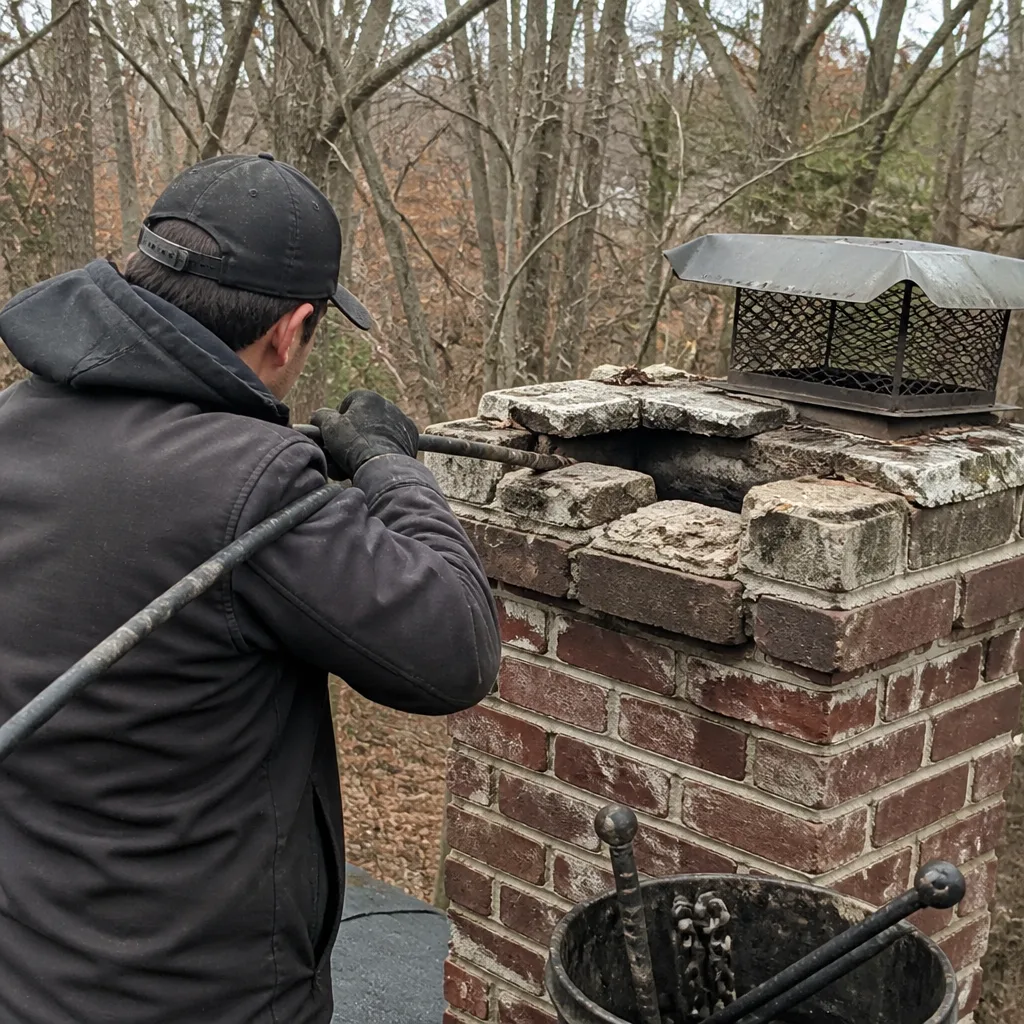 Before
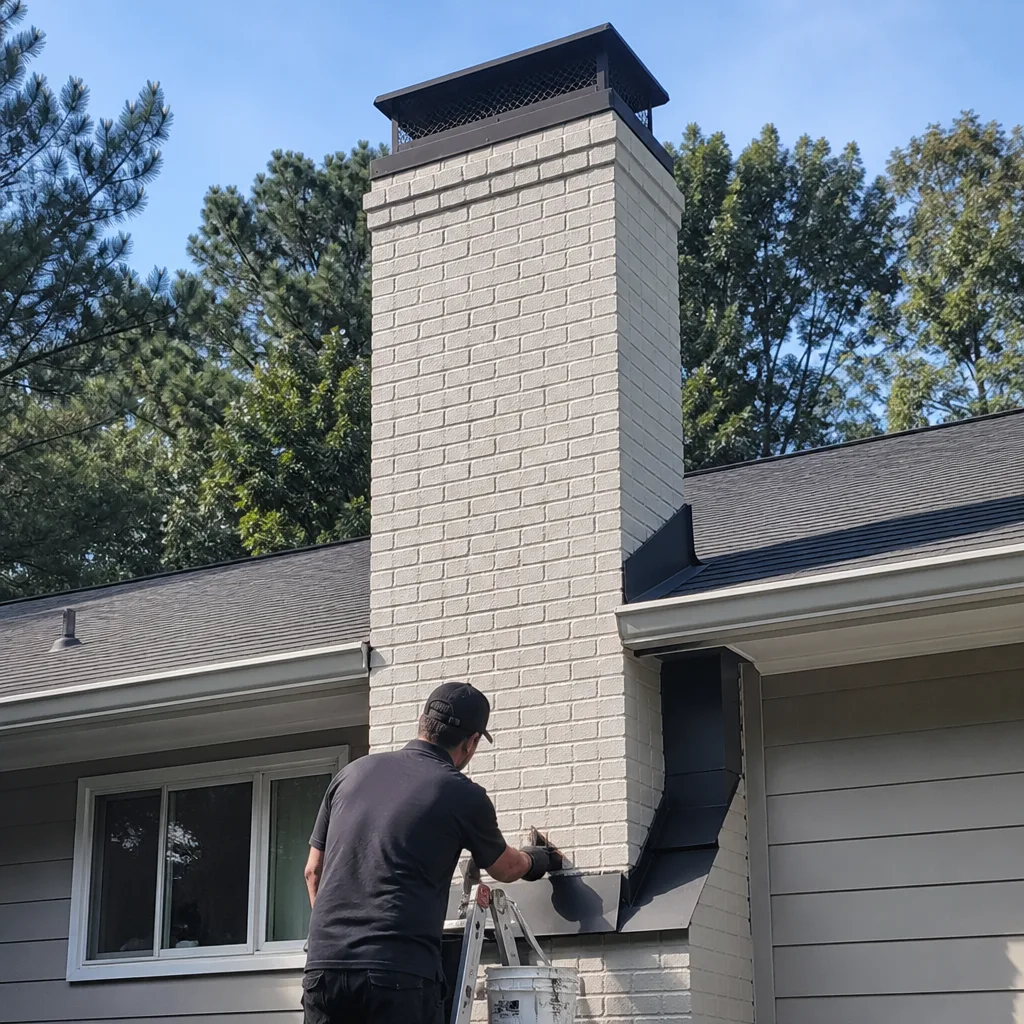 After
After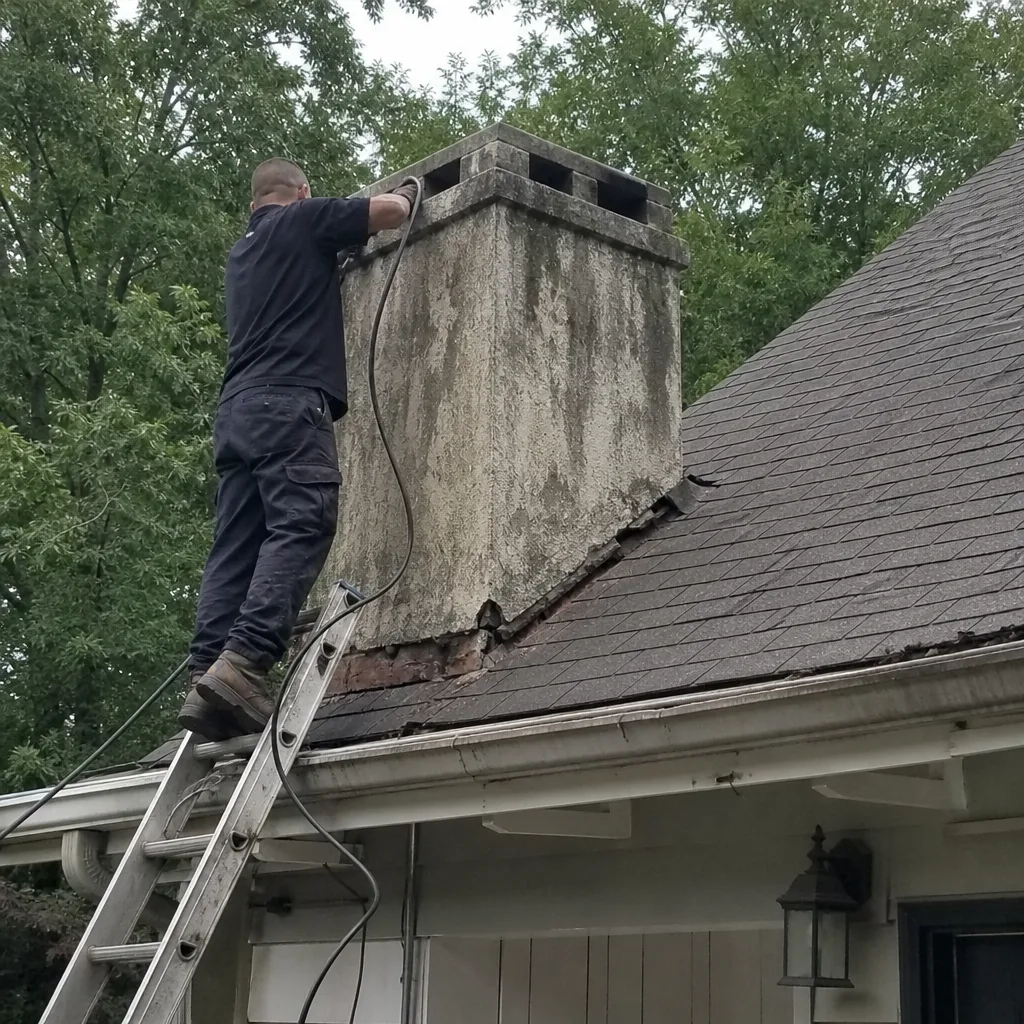 Before
 After
After Before
 After
After