
Last updated October 15, 2026
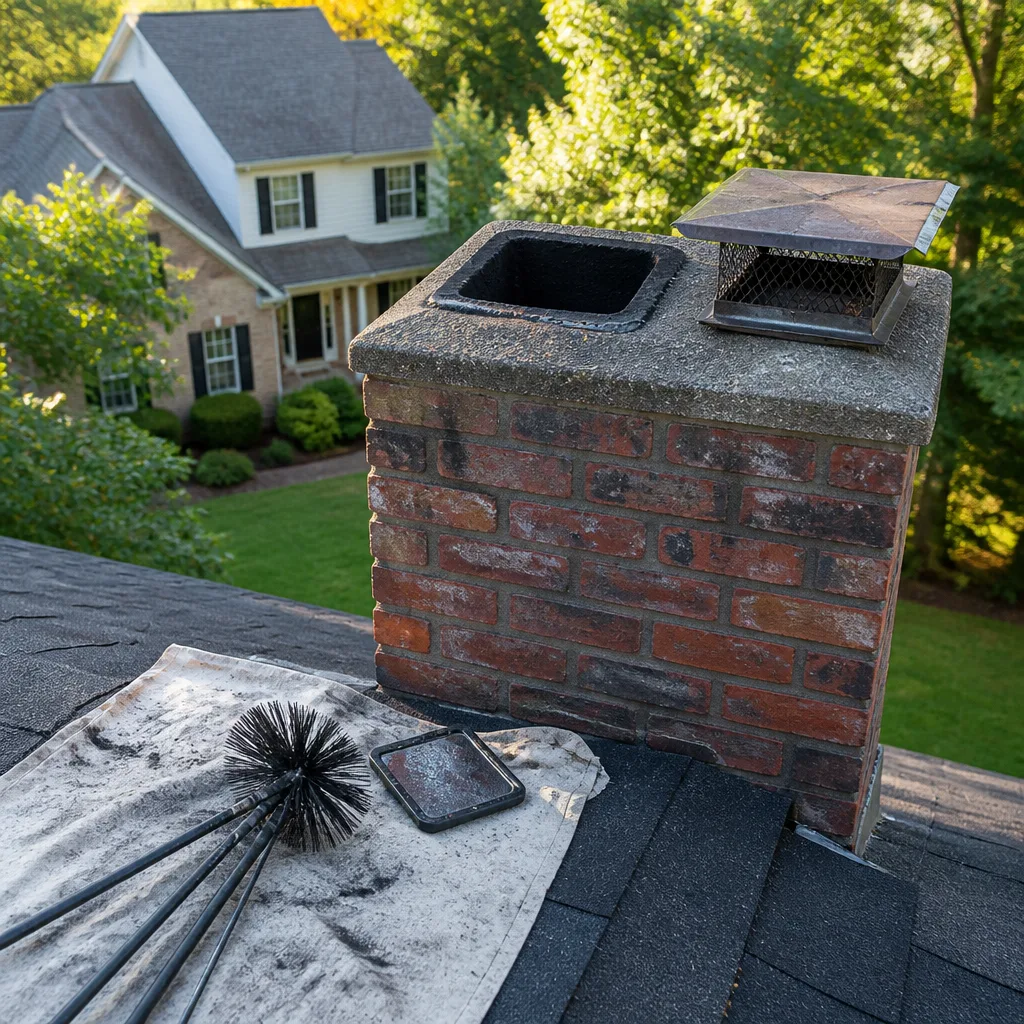 Sweep & inspection
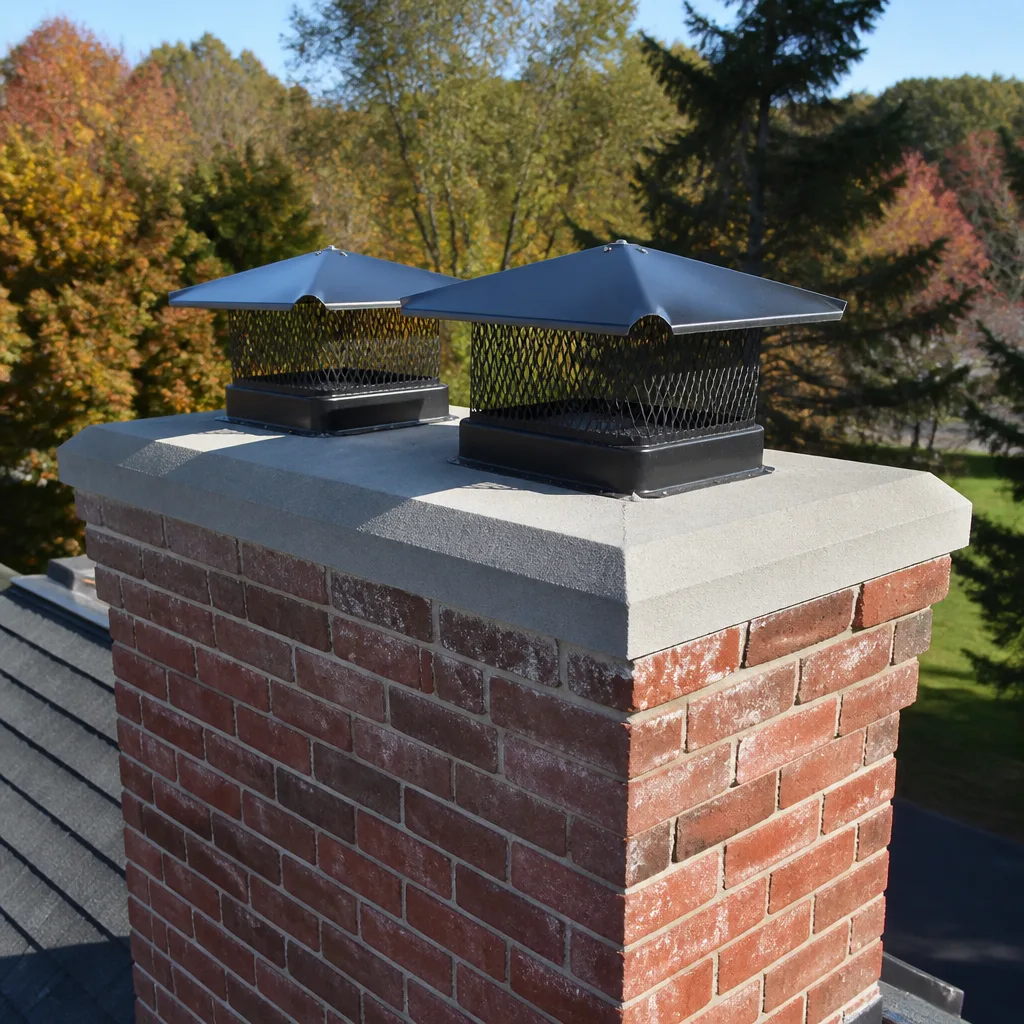 Caps & crowns
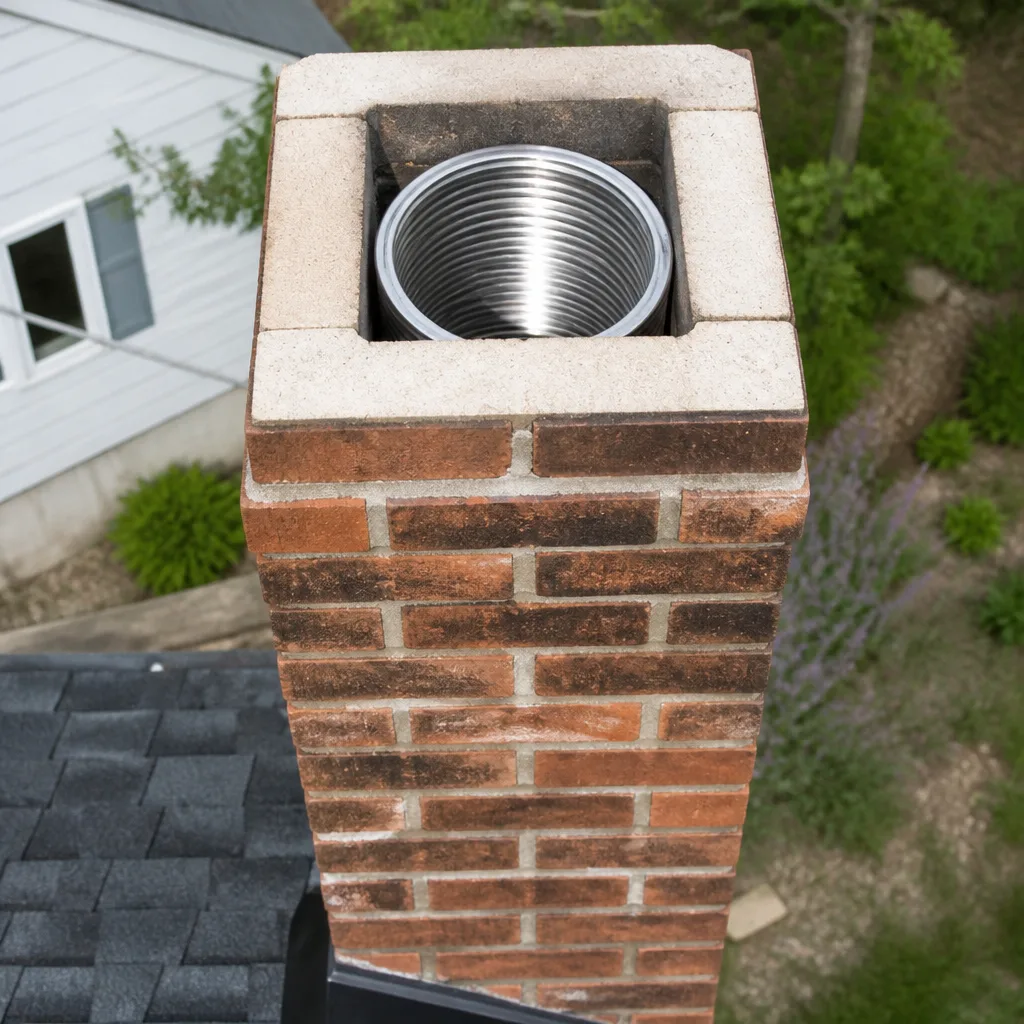 Flue relining
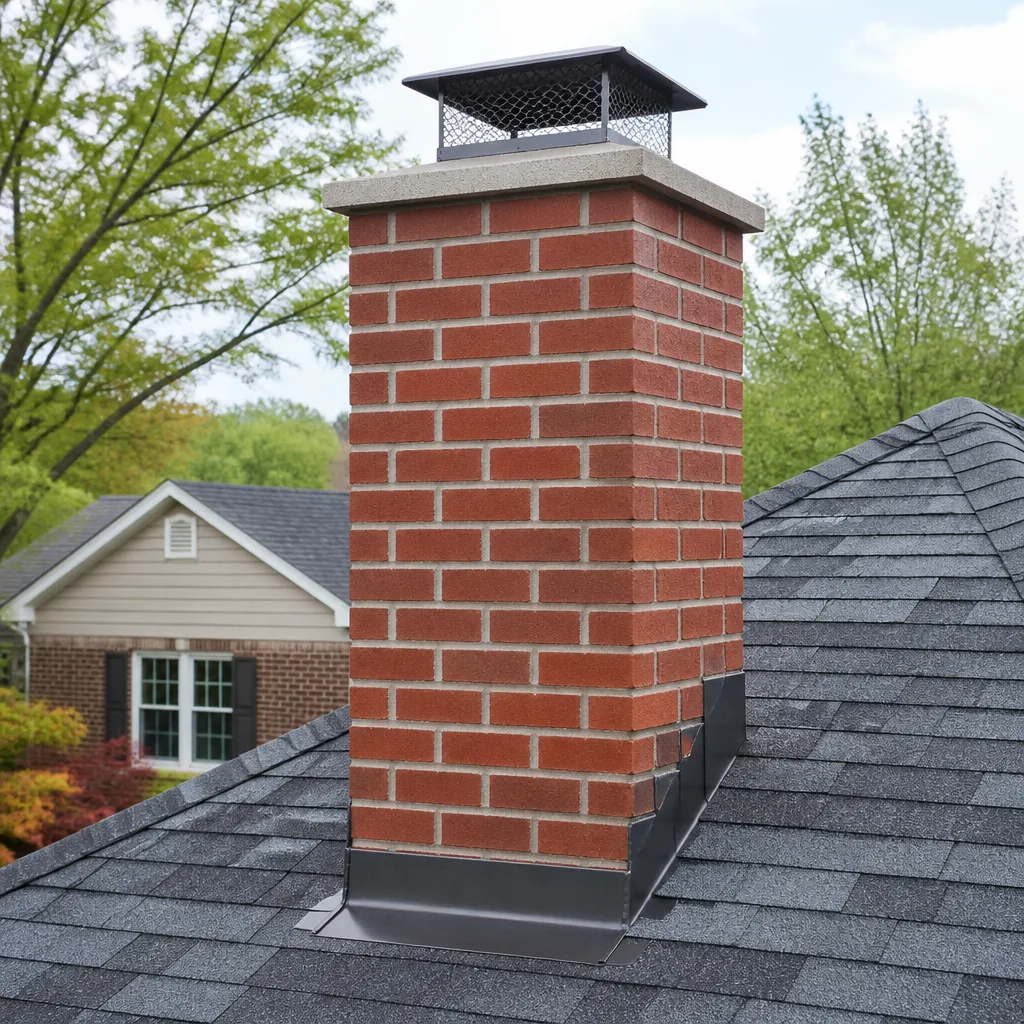 Masonry repair
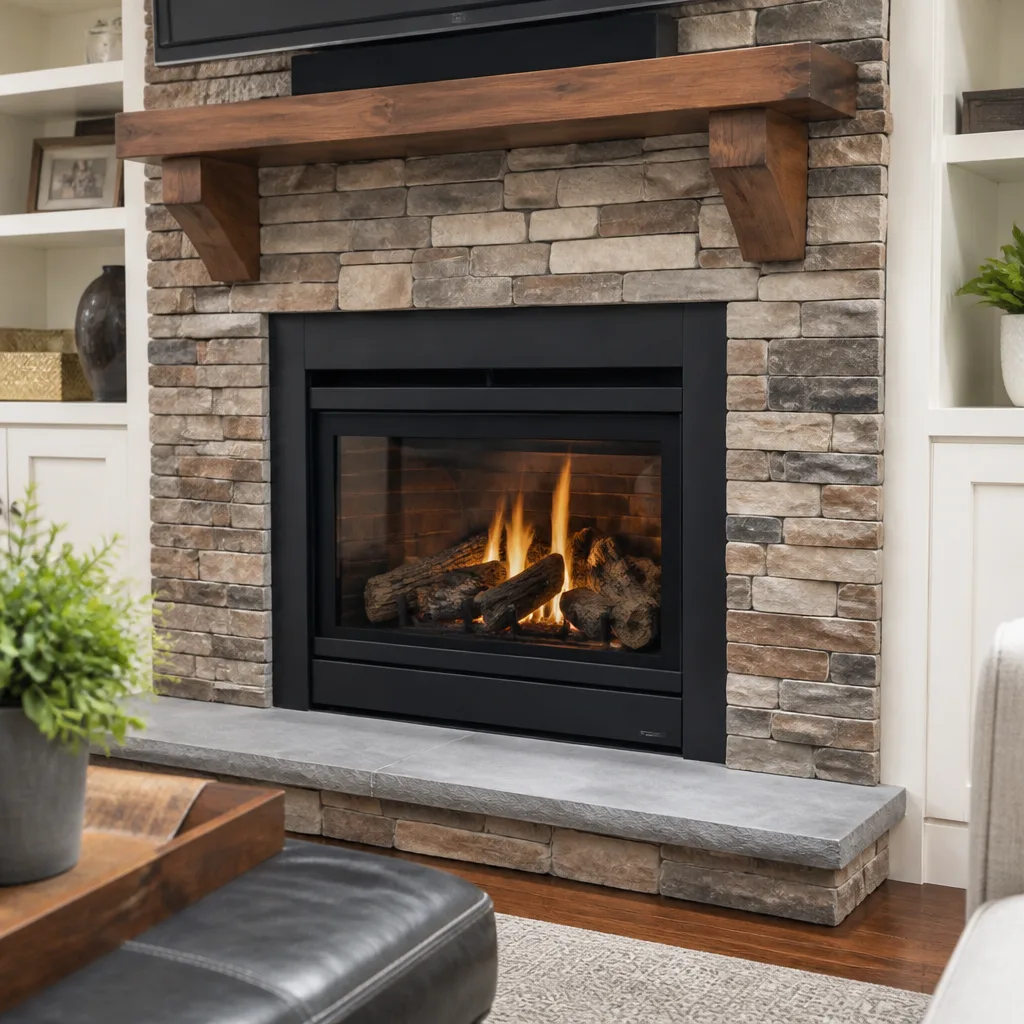 Gas fireplace service
Level 1 sweep and inspection to the NFPA 211 annual standard - flue, crown, cap, and flashing checked and photographed
Chimney sweep logs do not sweep chimneys. They loosen some creosote - which then falls where a brush and vacuum still have to collect it.
Seasonal Chimney Cleaning Care for Marietta: Year-Round Homeowner’s Guide
Your chimney is more vulnerable in July than in January. When the flue is cold and the cap is old, Marietta’s summer storms push water down the liner for months before the first fire of the season reveals the damage, usually as a white mineral stain on your firebox wall or a musty smell you can’t locate. This guide explains what actually happens to a chimney during each season in Marietta’s specific climate, what to check month by month, when to book a chimney sweep in Marietta, and how to time your maintenance so you never face a November backlog or a January repair bill that could have been caught in May.
Styles & brands we work with
Quick Answer
A year-round chimney care plan for Marietta means a spring inspection, a summer cap and animal check, a fall cleaning before the first reliable cold snap in late October, and a mid-winter damper check. The off-season from April through September is when moisture, nesting animals, and crown deterioration do the most unseen damage in Marietta’s humid, storm-heavy climate. A professional sweep costs roughly $189 to $329 in the Marietta market depending on chimney condition, and a spring camera-only inspection costs less than half a full cleaning. We’ll walk through exactly what happens in each season and what homeowners should do about it.
Table of Contents
- Why Seasonal Chimney Care Matters More in Marietta Than You Think
- A Month-by-Month Chimney Task Map for Marietta Homeowners
- Spring: The Post-Burn Inspection You Actually Need
- Summer: Animal Nesting, Moisture, and the Damage You Can’t See
- Fall: Timing Your Cleaning Before Marietta’s First Cold Snap
- Winter: Mid-Season Damper Checks and Burn-Smart Habits
- Marietta’s Humidity Belt: Spalling Brick, Efflorescence, and Rusted Dampers
- Common Mistakes to Avoid
- When to Call a Professional
- Frequently Asked Questions
- The Bottom Line
Why Seasonal Chimney Care Matters More in Marietta Than You Think
Marietta sits in a climate zone where homeowners go roughly seven months without thinking about the fireplace at all. The last fire gets lit in late February or early March. The next one happens around late October. That long dormant stretch is not a vacation for your chimney. It’s the period when the most expensive problems form.
Here’s what we consistently see from the Hadley Chimney Marietta home service area, and what it means for your house:
- Summer storm water sits in the flue for months. Marietta averages over 50 inches of rain a year, and the bulk falls as afternoon thunderstorms between May and September. If your chimney cap is loose, rusted, or missing, that water enters the flue liner and sits there. Water plus the creosote already coating the liner forms a mild acid that attacks both clay tile and stainless steel liners.
- Chimney swifts arrive in April and leave by late September. Marietta is directly in the Chimney Swift migratory path. These birds nest almost exclusively inside chimneys. Federal law protects them once a nest is active. You cannot legally remove an active nest. The only solution is prevention: a properly fitted cap installed before April.
- The freeze-thaw cycle does its worst work in January and February, but the water gets in during July. When temperatures dip below freezing, water that soaked into porous brick over the summer expands by up to 9 percent as ice. That expansion spalls the brick face, opens surface cracks, and accelerates crown deterioration. By the time you see flaking brick on the chimney exterior, the water intrusion has been happening for months.
We’ve inspected hundreds of Marietta chimneys over two decades. The patterns are consistent. Homes in East Cobb, Sandy Plains, and West Marietta show the same summer water damage signature: efflorescence (that white powdery mineral deposit) blooming on interior firebox walls by November, which tells us rain had been tracking down the liner for months before anyone lit a fire.
The takeaway is simple. Seasonal chimney care in Marietta isn’t about doing more work. It’s about doing work at the right time, which is usually before the problem announces itself with a smell, a stain, or worse.
A Month-by-Month Chimney Task Map for Marietta Homeowners
Here’s a practical month-by-month checklist built around Marietta’s actual weather patterns, not generic chimney advice. Use it as a loose map. Your specific schedule shifts slightly depending on chimney condition, usage, and age.
January
- Check the damper opens and closes smoothly with the fireplace cold.
- Watch for smoke backing into the room during the first few minutes of a fire; any backdraft that lasts longer than a couple minutes is a clue the flue isn’t drafting properly.
- Look at the exterior chimney after freezing nights. Fresh cracks in the brick face or crown are a freeze-thaw warning sign.
February
- Burn your last fires of the season if you’re a casual user. Let the firebox fully cool afterward.
- Schedule a spring inspection while technicians still have light schedules. Booking in February for an April visit beats calling in October.
- Check the chase cover if you have a factory-built or prefab chimney. Rust spots in winter are normal after wet summers, but anything that’s flaking through the paint layer needs attention.
March
- Do a slow visual pass of the chimney from the ground. Bring binoculars if you have them. Look for missing mortar joints, cracked crowns, or a cap that’s shifted.
- If you didn’t book in February, book now. April is the tail end of the easy scheduling window.
April
- Confirm the chimney cap is intact and fitted correctly. This is the single most important month for cap work because chimney swifts begin arriving in the second or third week of April.
- Run a spring inspection if you haven’t already. Camera-only visits are a fraction of a full cleaning cost and will document liner condition before summer rain becomes a recurring issue.
May
- Check for chimney swift activity. You’ll hear high-pitched chirping from inside the flue, usually near dusk and dawn. If you hear it, do not attempt to remove anything.
- Look for spalling brick after spring rains. Any brick face that’s flaking or popping means water is inside the masonry and needs a mason’s assessment, not just a repointing job.
June
- This is a quiet month for chimneys, which makes it the easiest time to schedule any non-urgent repair. Technicians have open calendars and you’ll get the most flexible scheduling window.
- Check your fireplace interior for any new white mineral staining. June humidity accelerates efflorescence if water has been sitting in the liner.
July
- Monitor the cap after summer storms. High winds from pop-up thunderstorms can shift or loosen an older cap.
- Check the crown for new cracks. The crown is the concrete slab that seals the top of the chimney. Hairline cracks in July become drenching leaks by October if left alone.
August
- Inspect the firebox and damper assembly for rust. Marietta’s humid late summer is peak rust season for damper frames, hinges, and cables.
- If you haven’t run your gas fireplace since spring, do a quick test burn now. Gas fireplaces accumulate dust and spider webs in the pilot assembly over the summer, and you want to catch any ignition issues before cold weather arrives.
September
- Book your pre-season cleaning. Marietta’s first reliable cold snap is historically late October, and the backlog builds fast once temperatures dip below 45 degrees for a few consecutive nights.
- Check the cap one more time, paying attention to the mesh screen. Chimney swifts leave by late September. If you’re sure the nest is empty, this is the window to upgrade a cap before the next nesting season.
October
- Complete any outstanding cleaning or inspection. This is the month when it has to get done if it hasn’t yet.
- Test your damper one final time before the first fire. Make sure it closes fully when the fireplace is not in use, which prevents conditioned air from escaping up the flue.
November
- Light your first fire of the season and watch for anything unusual: smoke smell upstairs, black soot falling into the firebox, or a burning smell that doesn’t clear after 30 minutes.
- Check the exterior chase and flashing after late fall rains. Flashing is the metal seal where the chimney meets the roof. Loose flashing leaks, and that leak often shows up as a ceiling stain in the room adjacent to the chimney chase.
December
- Keep burning smart. Dry, seasoned hardwood only. Unseasoned wood produces dramatically more creosote per fire, which shortens the safe window between cleanings.
- Mid-season damper check: the damper should open fully for fires and seal completely when closed. A damper that won’t fully close is a year-round energy leak, not just a winter comfort issue.
This task map covers the full cycle. But several of these points deserve more depth, which we’ll get into season by season below.
Spring: The Post-Burn Inspection You Actually Need
A spring chimney inspection in Marietta answers one question: what did a season of burning leave inside the flue, and is any of it a hazard before the house goes dormant for summer? The answer determines whether your fall season starts with a simple cleaning or an unexpected repair. The most common spring finding on Marietta chimneys is glazed creosote (the hard, shiny form of flammable tar buildup that occurs when a fire burns hot against a cooler flue). Glazed creosote doesn’t brush out like regular soot. It’s combustible, and in a hot chimney fire, it can ignite at temperatures well above what the flue liner is designed to handle.
We recommend a camera inspection every spring for any chimney that burned regularly through the winter. Here’s what a camera inspection actually covers, in the order we run it:
- Flue liner walls. The camera pans inside the full flue run, looking for cracked clay tiles, separated mortar joints, or corrosion on stainless steel liners.
- Smoke shelf and damper. Creosote that has hardened and flaked collects here. A dense deposit at this level reduces draft and can drop debris back into the firebox.
- Firebox interior. Cracks in the firebrick or mortar, especially at the floor level, allow heat to reach combustible framing behind the fireplace.
- Cap and crown. The camera can’t always see these, so we visually inspect from the roof. A cracked crown or a rusted-out cap means moisture will enter all summer.
The cost is the main objection we hear. Here’s the direct answer: a camera-only spring inspection without a cleaning typically runs $149 to $199 in the Marietta market. A full Level 2 inspection with interior video documentation runs $249 to $399 depending on chimney height and access. A full sweep plus inspection runs $189 to $329. Every quote at Hadley Chimney Marietta is written before work begins, so there’s no door-price surprise. What we’re looking for in spring is moisture entry points and liner damage left over from winter storms. Both problems get much cheaper to address in April than in November.
Summer: Animal Nesting, Moisture, and the Damage You Can’t See
Summer is when Marietta chimneys take the most abuse and get the least attention. Two things happen between May and September that matter more than anything else on the yearly calendar.
Chimney swifts arrive, nest, and leave. These small migratory birds choose uncapped chimneys as nesting sites throughout Cobb County. Once a nest is established, it’s protected under the Migratory Bird Treaty Act. You cannot legally remove an active nest, which means you’ll likely hear chirping from the fireplace for several weeks before the birds fledge and leave. The only effective strategy is prevention. Install a properly fitted cap with adequate mesh screening before mid-April, and chimney swifts pass over your house and find another roost. If you have an active nest, it stays until the birds leave on their own in late September. Then, and only then, can the chimney be cleaned and a cap installed.
Summer rain enters through small openings and sits. A hairline crack in the crown, a bent cap, or missing flashing is enough to let water into the system. Marietta’s afternoon thunderstorms can dump an inch in 45 minutes. That water travels down the flue, mixes with whatever creosote remains from last winter, and creates a mild acid. It also soaks into the brick’s porous structure from the outside. By the time September arrives, the interior liner may have lost significant integrity, and the exterior brick may have begun spalling. None of this is visible from the ground during August. By November, when the first fire gets lit and someone notices a white mineral stain or a damp smell, the damage has had a full season to establish itself.
One specific summer check we recommend every Marietta homeowner perform from the ground with binoculars:
- The cap should sit level and cover the full flue opening. A shifted cap means a gap where rain and birds get in.
- The mesh screen should not be torn. A hole bigger than a quarter allows birds and bats through.
- The crown should have no hairline cracks visible. Even a crack you can barely see from 30 feet will expand during the next freeze-thaw cycle.
Fall: Timing Your Cleaning Before Marietta’s First Cold Snap
Marietta’s first reliable cold snap typically arrives in late October. That’s when nighttime lows first drop below 40 degrees for more than a night or two, and when most homeowners light the first fire of the season. If your chimney has not been cleaned and inspected before that week, you’re joining the biggest demand spike of the year. The backlog starts building in September and peaks around the first week of November. Booking in early-to-mid September puts you ahead of the rush, gives you flexibility on scheduling, and means any repairs found during the cleaning can be completed well before the first burn.
The practical timing window for fall in Marietta:
- September 1 to September 30: The best time to schedule a full sweep and inspection. Open availability, unhurried visits, and repairs can happen before cold air arrives.
- October 1 to October 15: Still workable. You may wait a few days for an appointment, but you’ll get in before the first fire weekend.
- October 16 to November 15: Peak season. Wait times stretch, and if a repair is needed, it may not be completed until after you’ve already started burning.
A fall cleaning does more than remove creosote. It verifies the damper opens and closes correctly, confirms the cap is still intact after a summer of storms, checks the firebox for moisture damage, and gives you a clear answer on whether the liner needs attention. If you ran a spring camera inspection and everything looked clean, the fall visit is usually a standard sweep at the lower end of the price range. If you skipped spring, expect more unknowns. That’s the same reason we recommend a fall check on gas fireplace repair in Marietta: pilot assemblies clog with dust and spider webs over summer, and the first cold morning is a bad time to discover the unit won’t ignite.
Winter: Mid-Season Damper Checks and Burn-Smart Habits
Once burning season starts, the most important piece of hardware in your chimney is the damper. It sits at the top of the firebox, just below the smoke shelf. When open, it lets combustion gases draft up and out. When closed, it seals the flue so warm indoor air doesn’t escape 24 hours a day. A damper that won’t fully close in a Marietta winter represents a real energy loss: your furnace works harder, your energy bill climbs, and the problem persists every day the fireplace is not in use, which is most days for most homeowners.
Perform this mid-season damper check in December or January, when the house is at normal winter temperature:
- With the fireplace cold, close the damper fully. From inside the firebox, look up. You should not see significant daylight around the damper plate.
- Hold a lit incense stick or a thin strip of tissue near the damper opening. If smoke or tissue movement indicates air flowing up, the seal is not complete.
- Check for rust or warping on the damper frame. If your summer inspection found rust, this is the season when the damper plate may have warped enough to no longer close tightly.
Burn habits also matter enormously in winter. Dry, seasoned hardwood produces far less creosote per fire than unseasoned or soft wood. Creosote is the flammable tar buildup that makes chimneys a fire risk. The more creosote accumulates in January and February, the more likely a March cleaning reveals glazed deposits that need special treatment. If you’re using the fireplace several nights a week, you should expect to need a mid-season assessment in addition to the fall cleaning. If your fireplace only gets used on weekends or for occasional ambience, a single fall cleaning usually carries you through the season.
The other winter check is on the exterior chase and flashing. Marietta winter storms, especially the occasional ice event, put stress on the seal where the chimney meets the roof. Walking the perimeter of the house once a month and checking for any dark staining on the chimney exterior, wet spots on the ceiling near the chimney chase, or water staining on the attic sheathing near the chase is the fastest way to catch a flashing leak before it becomes a ceiling repair.
Marietta’s Humidity Belt: Spalling Brick, Efflorescence, and Rusted Dampers
Georgia’s humidity belt creates a specific moisture damage pattern that chimney inspectors see repeatedly across Cobb County. It’s worth understanding this pattern because it determines which maintenance issues appear in which season, and how early they can be caught before they become major repairs.
Spalling brick. Spalling means the brick face is flaking or popping off in sheets. It’s caused by water that soaks into the brick during summer storms, freezes and expands in winter, and pushes the brick surface outward. In Marietta, the first visible spalling typically shows up in February or March after the most consistent freeze-thaw cycling. You’ll often see it on the chimney crown’s edge, at the top courses where water sits longest, and at the base where ground splash keeps brick damp. Once a brick begins spalling, the structural opening gets bigger every year, and the repair path shifts from repointing to partial rebuild. A chimney repair in Marietta that would have been a tuckpoint job in year one becomes a brick replacement job by year three.
Efflorescence. This is the white, chalky mineral deposit that appears on masonry, especially on interior firebox walls before the first fire of the season. It forms when water travels through the masonry, dissolves the natural salts inside the brick and mortar, and then evaporates on the surface, leaving the salt behind. Efflorescence in a Marietta fireplace in November is a reliable indicator that water has been moving through the chimney system for months. It’s not dangerous on its own, but it proves moisture entry and should trigger a full inspection.
Rusted damper components. Marietta’s summer humidity keeps dampers and fire doors in a near-constant state of moisture exposure. This is especially true for homes without rain caps or with compromised crowns. Rust forms on the damper plate, the hinges, and the cables or handles. By late summer, the damper may still work, but by mid-winter the rusted hinge can bind and make the damper impossible to fully close. The result is a chimney that leaks conditioned air all year, which is a bigger energy cost than most people realize. If you notice a damper handle that’s growing stiff, or a damper plate with visible rust, that’s the early warning sign. Address it before the cold months force you to choose between an open damper or a stuck one.
When moisture problems are confirmed and repair is warranted, we use materials built for Georgia’s humidity cycle. HeatShield ceramic repair compound is our standard for restoring compromised flue liners where full replacement isn’t necessary. The compound is tested to a high temperature rating and holds up to the condensation and humidity that a Marietta chimney faces. For liner replacement, we work with DuraFlex flexible liner systems, which are a proven solution for masonry chimneys that need a new flue path. These are the materials we trust, and they’re the same ones we’d install in our own homes.
Common Mistakes to Avoid
- Treating chimney maintenance as a one-time fall event. A fall cleaning catches creosote before burning season, but it misses the summer’s water, animal, and crown damage, which happens while the fireplace is dormant. Spread the work out across the year and you’ll find problems when they’re still cheap to fix.
- Ignoring a missing or damaged cap because the fireplace still works. The cap keeps rain, animals, and debris out of the flue. A missing cap in Marietta means wet creosote, swifts in April, and a liner that degrades a little more each summer. It’s the cheapest insurance item on the entire chimney.
- Waiting until October to book a sweep. You’ll pay the same price, but you’ll wait longer, have less scheduling control, and if a repair is needed, it may not happen before the first fire. September is the sweet spot.
- Burning unseasoned wood. Green wood creates more creosote per fire than any other variable you control. Seasoned hardwood burns cleaner, drafts better, and stretches the safe window between cleanings. In Marietta’s wet climate, wood needs to be stacked and covered for at least six months before burning.
- Assuming a white stain on the firebox is cosmetic. Efflorescence means water moved through the masonry. It’s a diagnostic signal, not a surface blemish. Ignoring it means whatever crack or gap allowed the water in gets bigger, and the next symptom may be more expensive.
- Attempting to remove a chimney swift nest during the nesting season. Federal law protects active nests, and the fine is not worth the frustration. The correct order is: let the birds leave in September, clean the flue, install a cap before April of next year.
- Skipping the damper check because the fireplace is “rarely used.” The damper is about whole-house energy efficiency, not just fireplace performance. An open or leaking damper costs you year-round, especially during the summer months when the A/C is fighting an open flue path.
When to Call a Professional
Some chimney problems are visible and obvious: water staining on the ceiling near the chimney chase, a cap that’s rusted through, spalling brick that’s dropping pieces onto the roof or the ground. Those are straightforward calls. But the more common professional need is less dramatic. You smell a musty odor from the fireplace in August and can’t find the source. You see a white mineral stain on the firebox wall in November. You hear chirping from the chimney in May. The damper handle is stiffer than it was last year. Any one of these is a reason to have a technician look at the system. A camera inspection costs less than the average repair it catches, and it gives you a visual record of what’s actually happening inside the flue. For permits, codes & inspections in GA, our documentation meets all local requirements. Hadley Chimney Marietta offers free estimates in Marietta, and we document every inspection with before-and-after photos so you’re never asked to take a technician’s word on faith. Call (762) 249-4619 to book an assessment. Every quote is written before any work begins, and every repair carries a written guarantee for 365 days. If a repair fails within that window, we come back and fix it at no charge.
Frequently Asked Questions
A standard chimney sweep in the Marietta market typically runs $189 to $329 depending on chimney height, creosote condition, and whether any additional treatments are needed. A camera-only inspection without cleaning runs $149 to $199. At Hadley Chimney Marietta, every quote is written before work begins, so the price on the estimate is the price you pay. Call (762) 249-4619 for an exact quote based on your chimney. Estimates are free.
For a fireplace that’s used regularly through the winter, at least once per year before burning season begins. Homes that burn every weekend or multiple nights per week may need a mid-season check around January. Homes that rarely use the fireplace still benefit from an inspection each year because moisture and animal issues happen whether or not you burn. A spring camera inspection plus a fall sweep is the most thorough year-round schedule for a typical Marietta home.
Creosote accumulates each time you burn, and the next season’s fires bake that deposit into a harder, more flammable layer. Eventually the buildup narrows the flue opening, reduces draft, and raises the surface temperature inside the liner to the point where a chimney fire becomes possible. In Marietta’s climate, skipping a season also means you’ll likely miss the water and animal damage that happened over the summer. That’s how a $200 cleaning turns into a $2,000 liner repair. Call (762) 249-4619 to get a current assessment of what’s actually in your flue.
Sometimes a cracked clay liner can be restored with a ceramic repair compound like HeatShield rather than being fully replaced. The decision depends on how many cracks exist, where they’re located, and whether the surrounding masonry is still stable. A camera inspection gives you the visual evidence to make that call. We only recommend the work that the photos support, and we’ll show you exactly what we see. If the liner genuinely needs replacement, a DuraFlex flexible liner system is what we install. If it can be repaired safely, we’ll say that too. Call (762) 249-4619 for an inspection and we’ll walk you through the findings with the photos on screen.
You can, and many Marietta homeowners do. But there’s a real cost to waiting. The summer months bring chimney swift nesting season and Marietta’s heaviest rain, both of which create problems that are cheaper to address before fall. A cap installed in March prevents a spring nesting problem. A crown sealed in June prevents a fall water stain. Waiting until October means you’ll face a busier schedule, and any damage that happened over summer will have had months to deepen. Booking in September is the practical compromise.
Every repair we complete at Hadley Chimney Marietta is backed by a written guarantee for 365 days. If the repair fails within that period, we return and make it right at no charge. This applies to liner work, cap installations, crown repair, and any other repair we document. The guarantee is written, not verbal, and it’s included with the repair at no additional cost. That’s the standard we’ve kept since 2003.
The Bottom Line
Seasonal chimney care in Marietta is a four-part rhythm: inspect in spring, protect in summer, clean in fall, and check in winter. For more guides & resources on keeping your chimney safe year-round, explore our blog. The offseason is not your chimney’s time off. It’s the period when water, animals, and humidity work against the masonry and liner, usually without any visible sign until the first fire of the year. Catch those problems in April or June and they’re routine repairs. Catch them in November and they’re emergency costs. That’s the real value of a year-round schedule. Hadley Chimney Marietta has served the city since 2003, and every job includes a written price before work begins, photo documentation before and after, and a 365-day written guarantee on every repair. Call (762) 249-4619 to schedule your seasonal check. A real person answers, and you’ll know exactly who’s coming and when.
Written by Cory Mitchell, Owner at Hadley Chimney Marietta, serving Marietta since 2003.
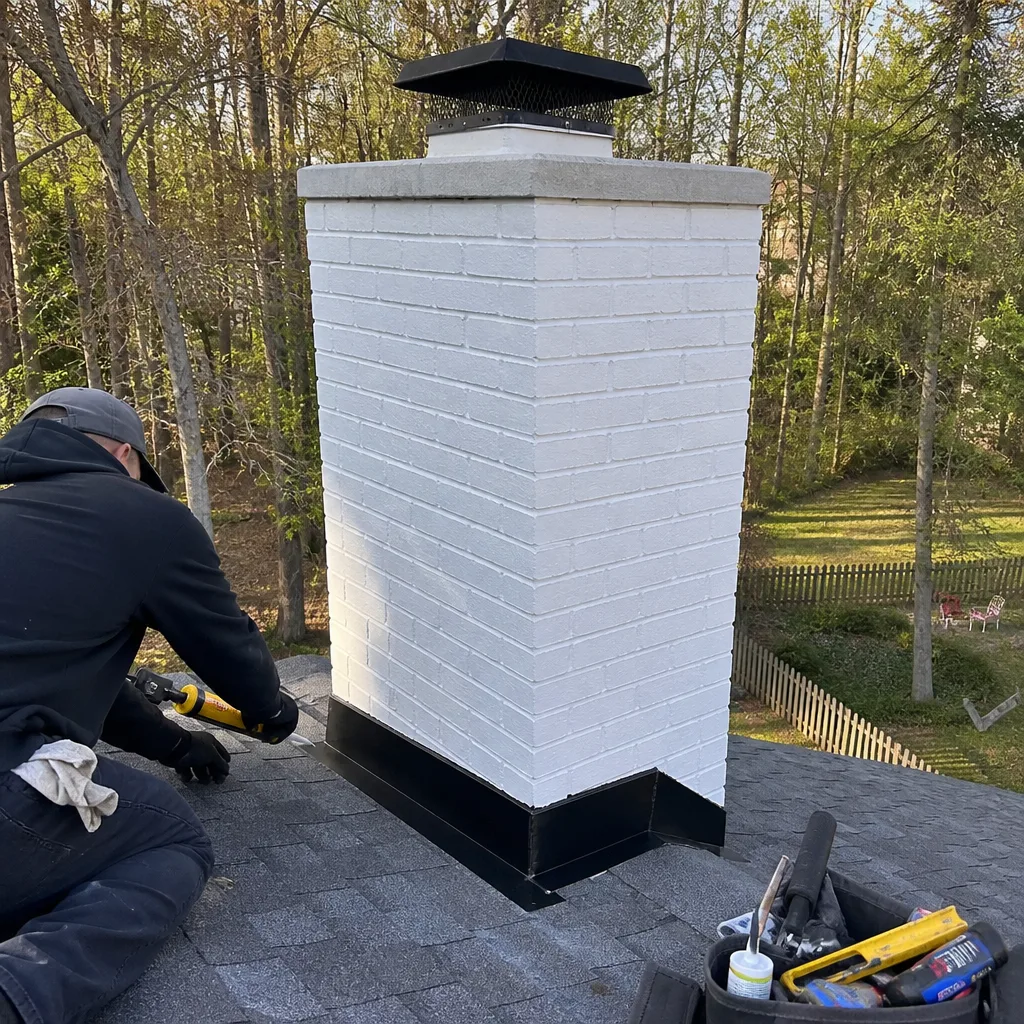
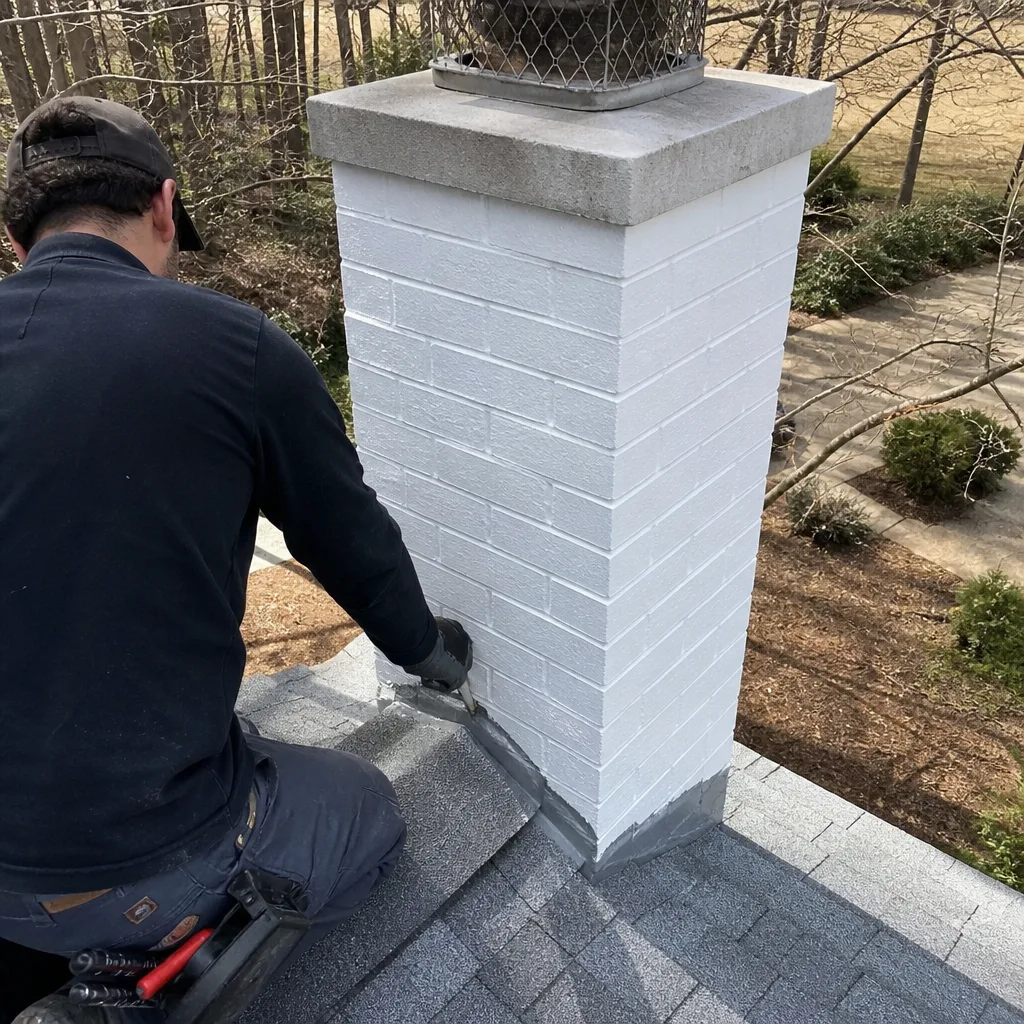
See the difference
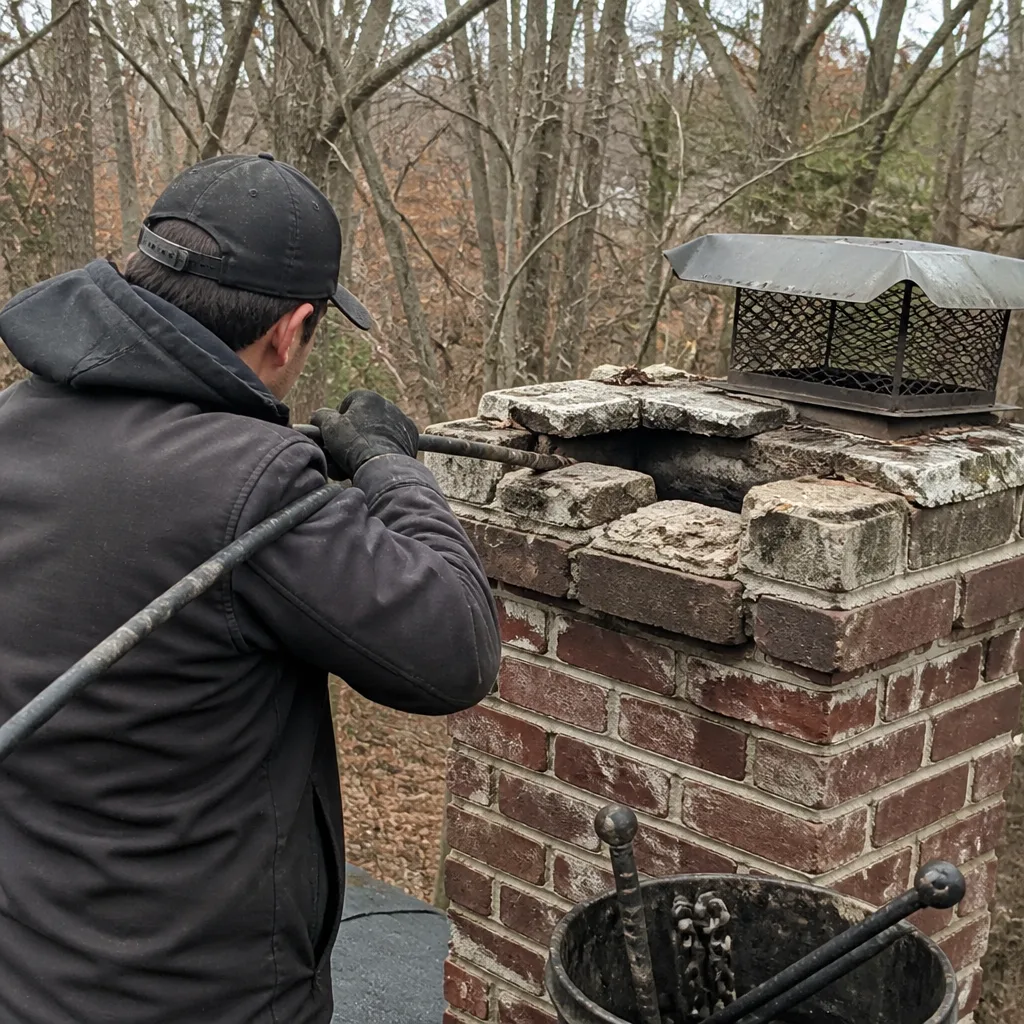 Before
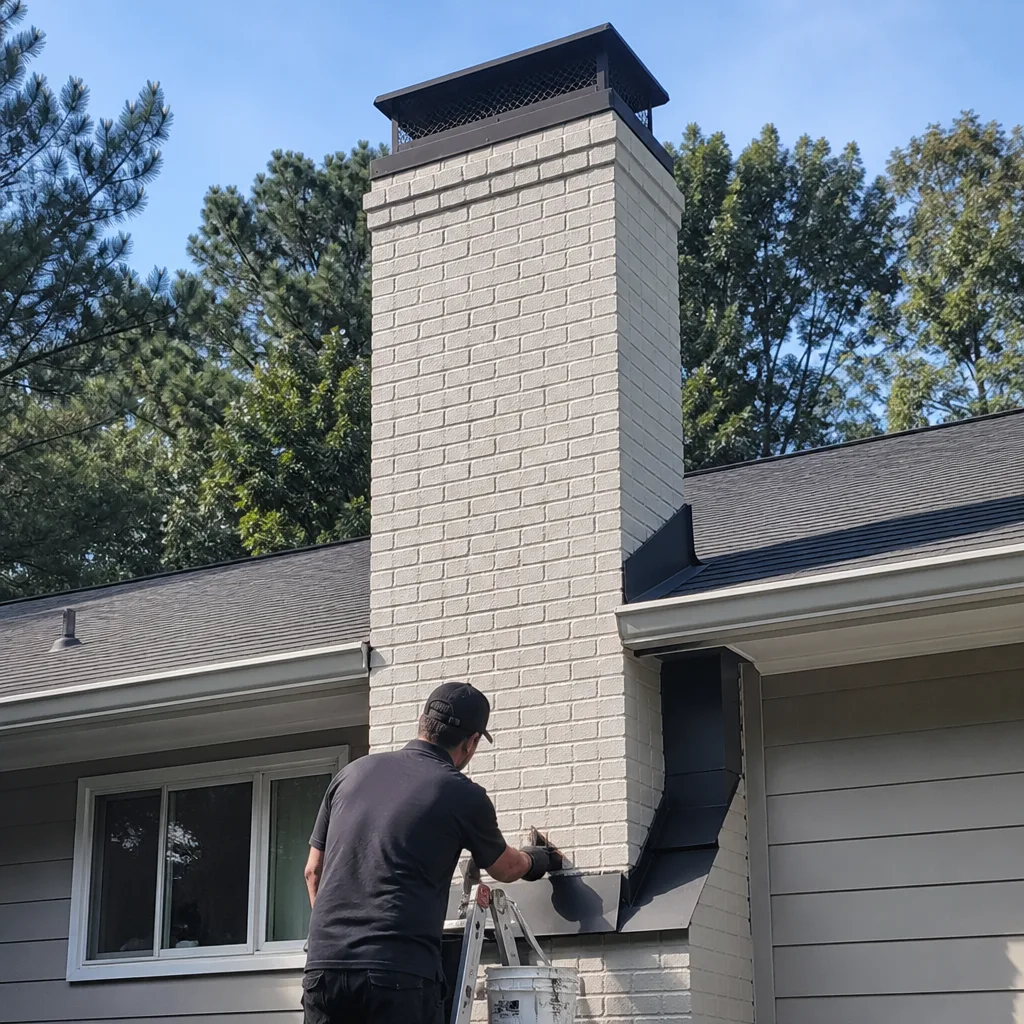 After
After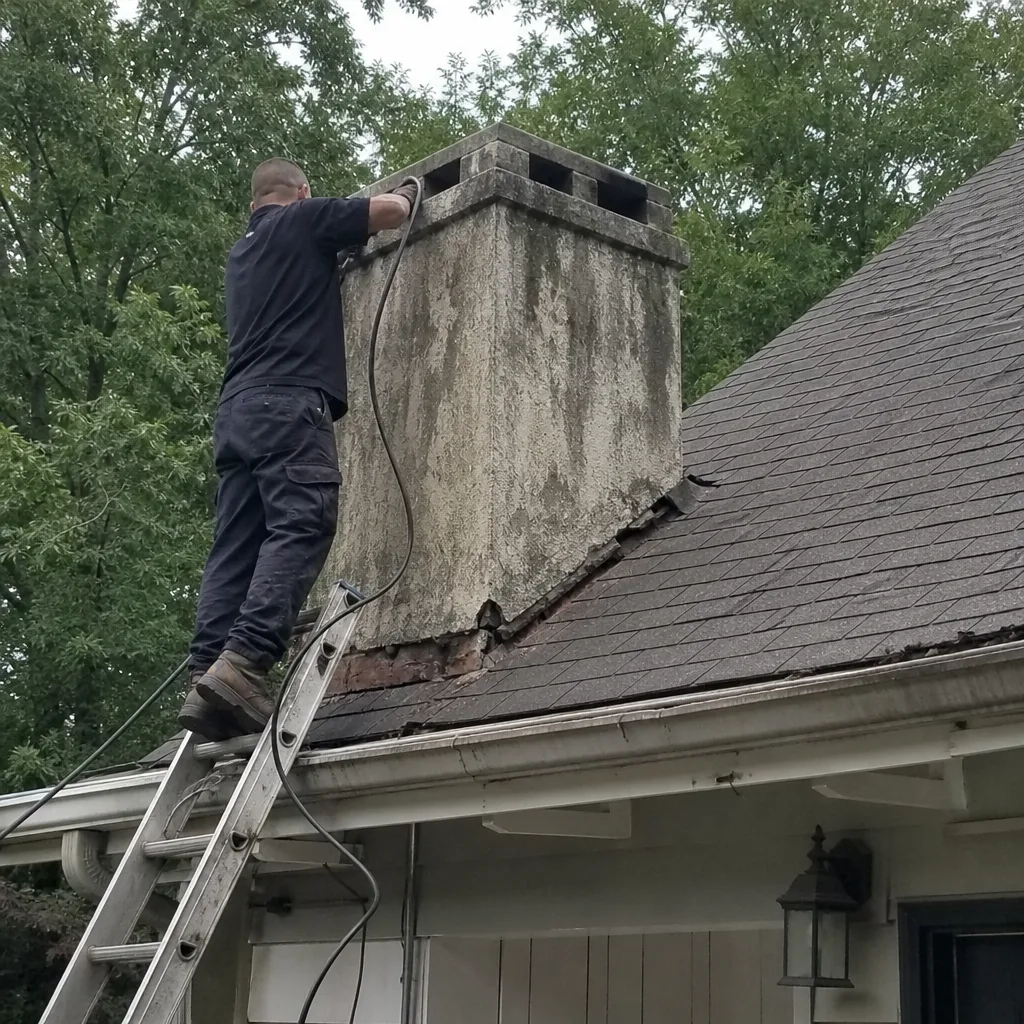 Before
 After
After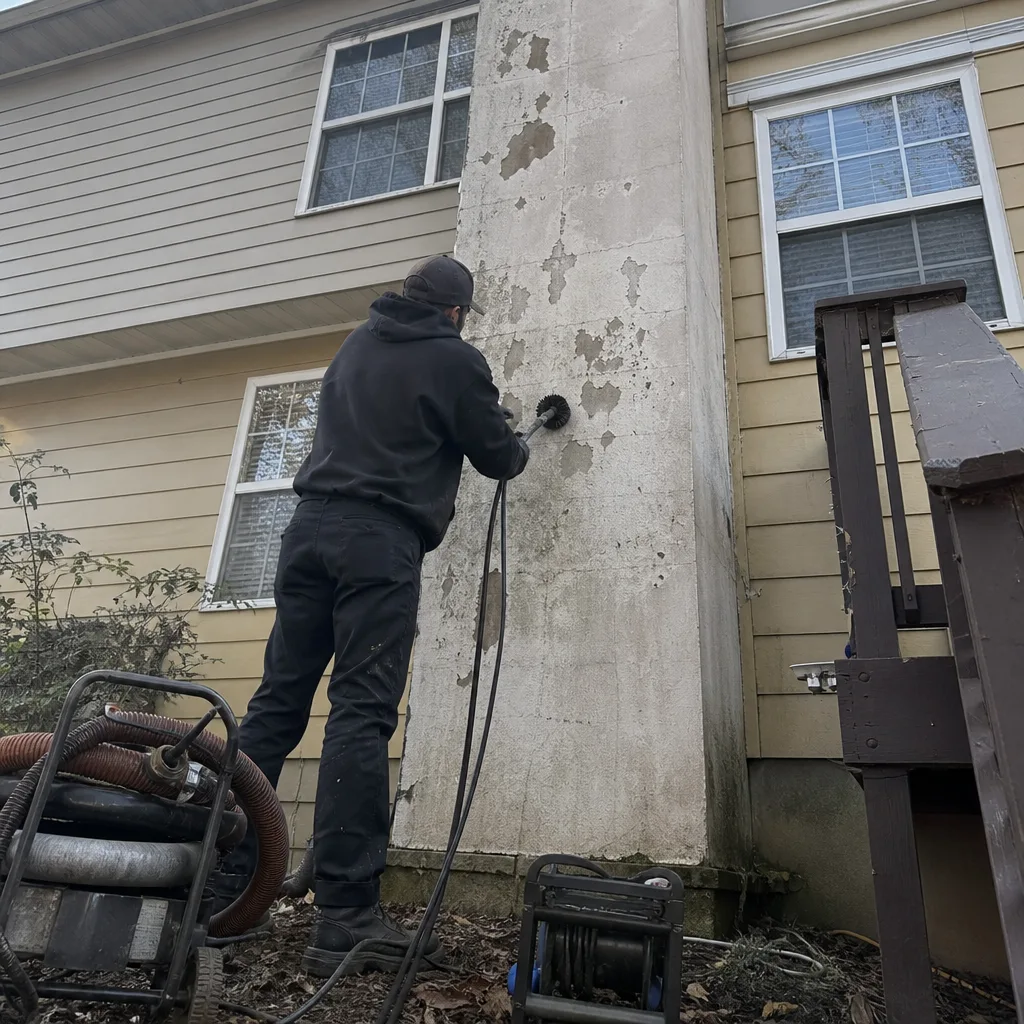 Before
 After
After