
Last updated October 15, 2026
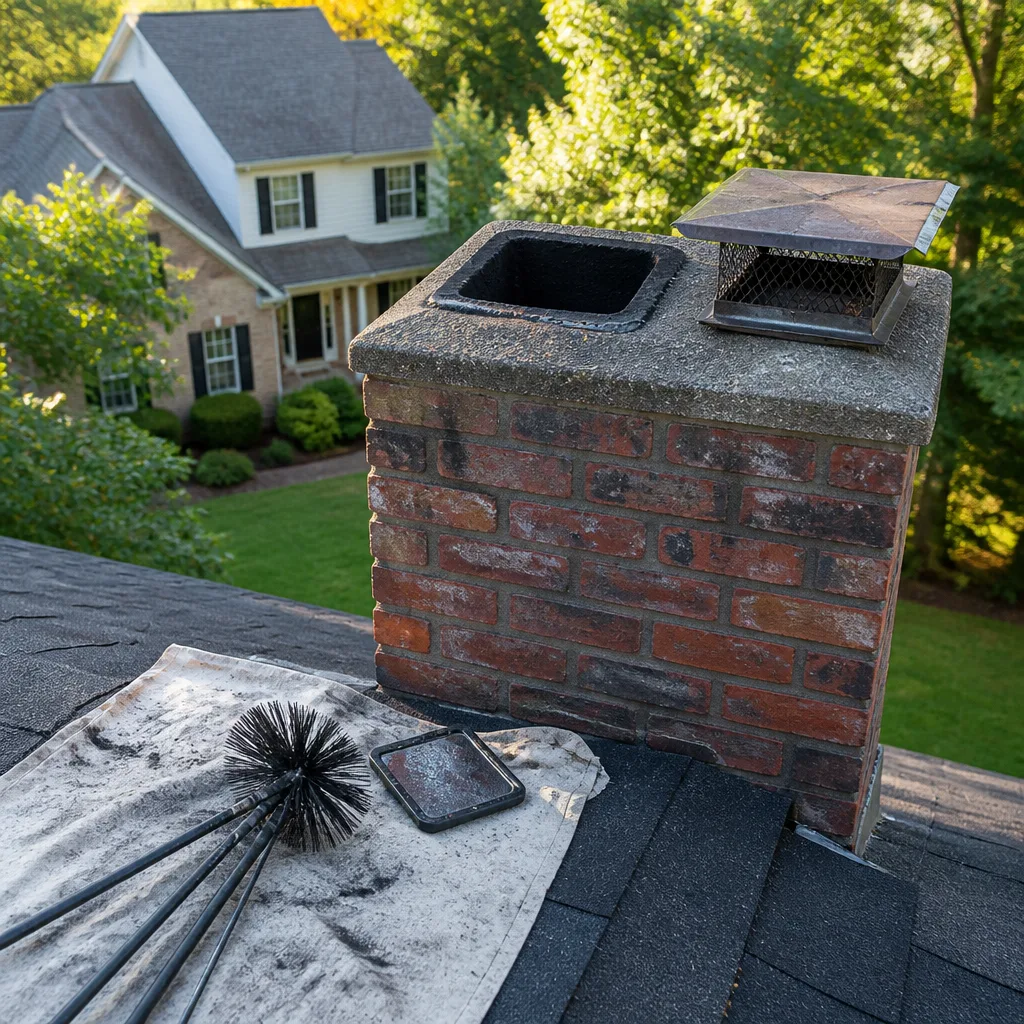 Sweep & inspection
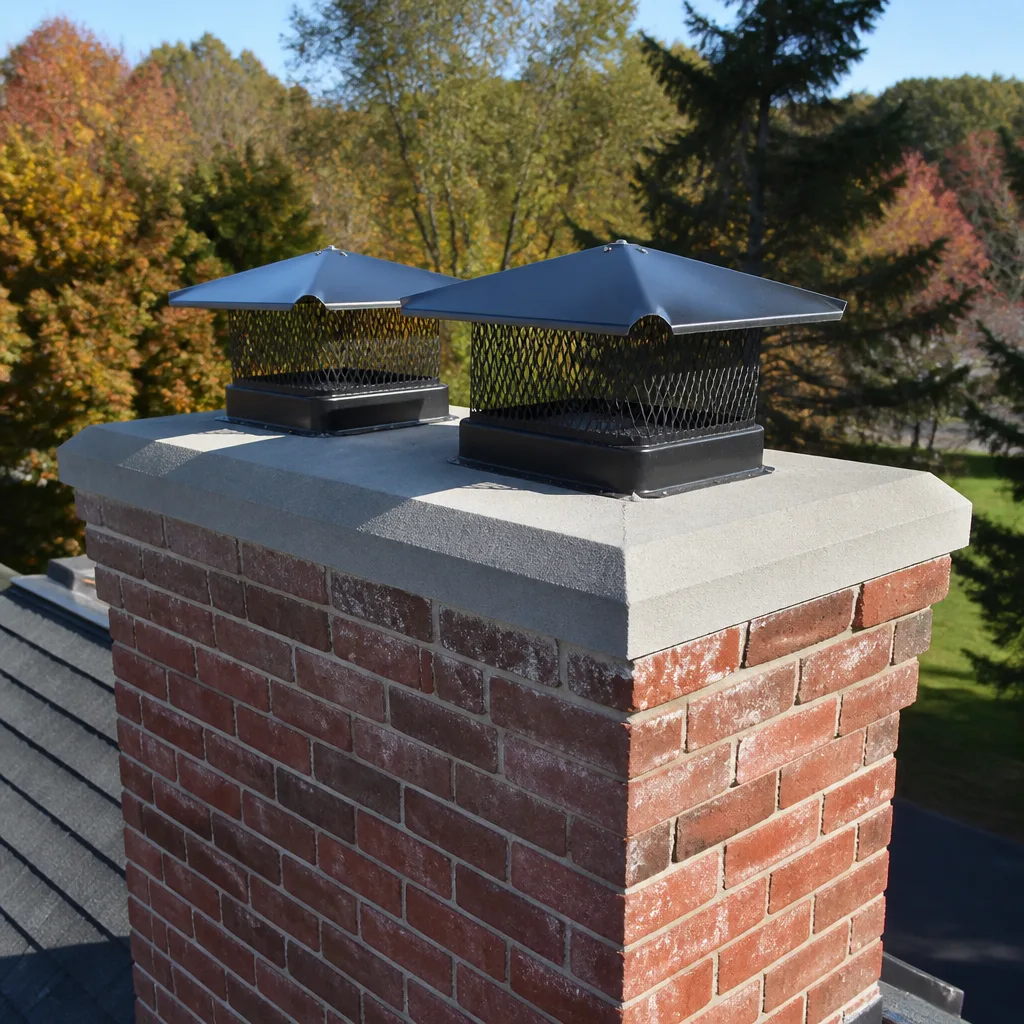 Caps & crowns
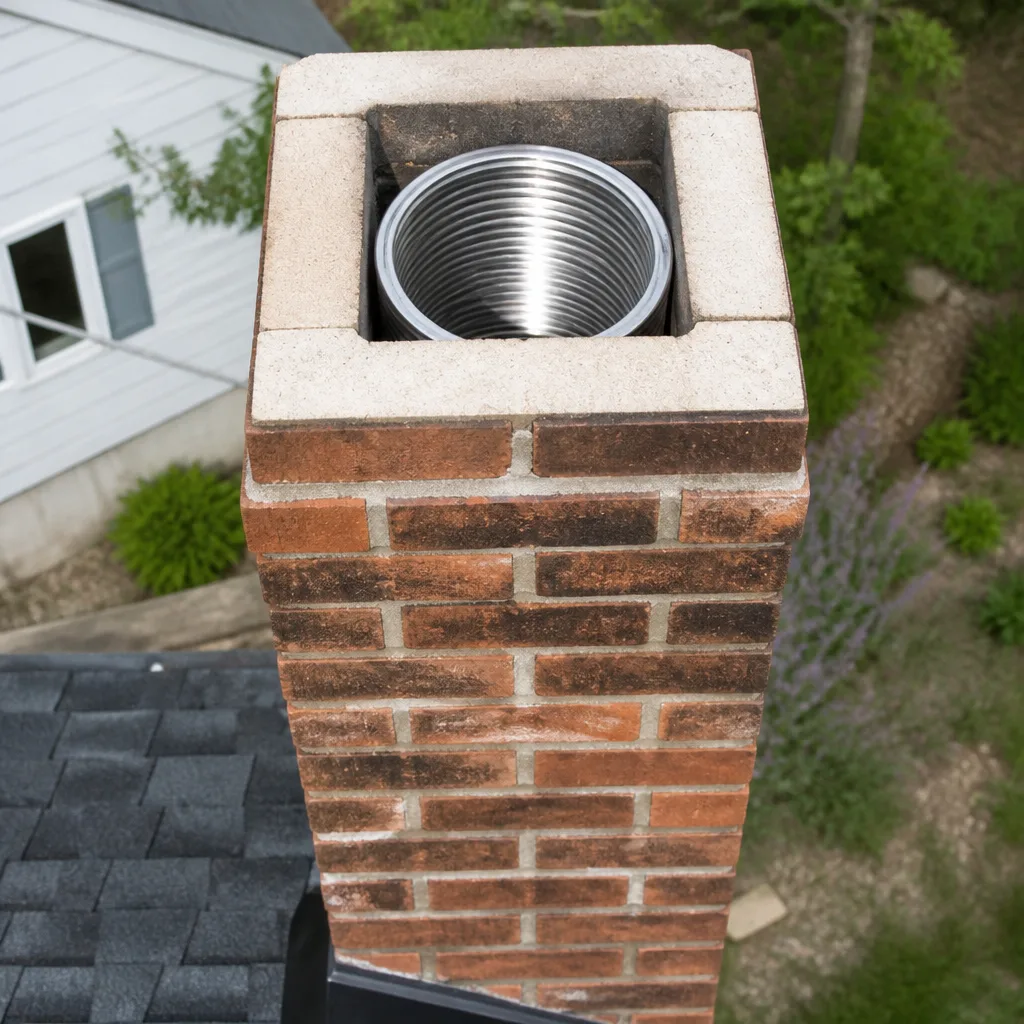 Flue relining
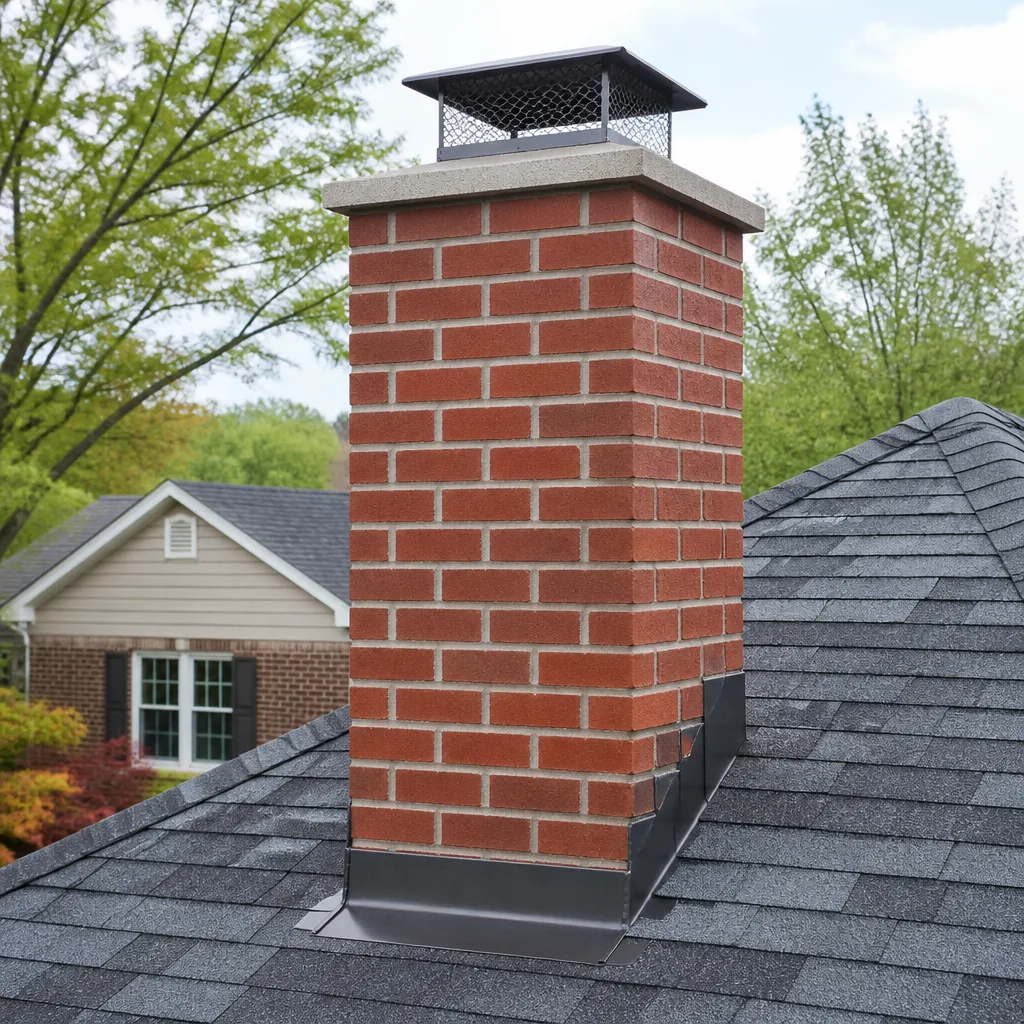 Masonry repair
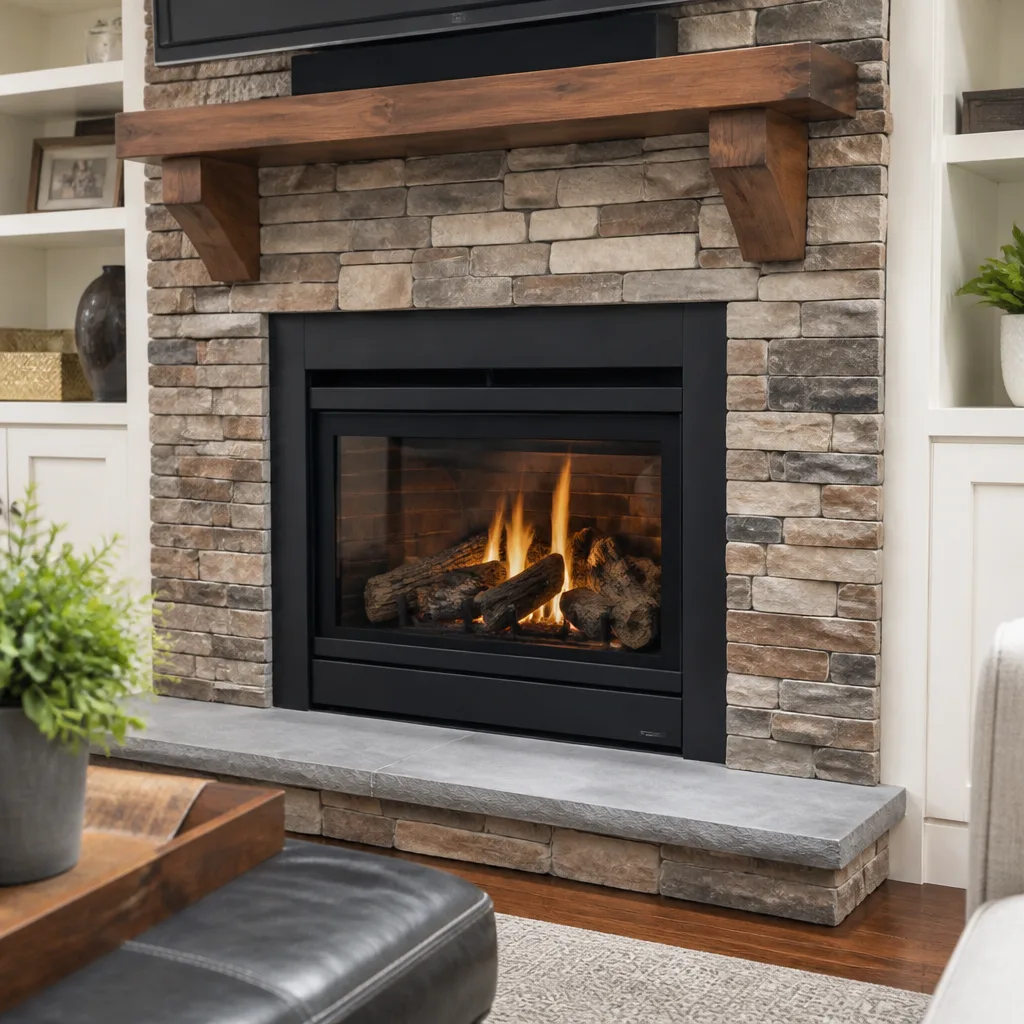 Gas fireplace service
Level 1 sweep and inspection to the NFPA 211 annual standard - flue, crown, cap, and flashing checked and photographed
Chimney sweep logs do not sweep chimneys. They loosen some creosote - which then falls where a brush and vacuum still have to collect it.
Chimney Cleaning Warning Signs: A Marietta Homeowner’s Reference Guide
The smell of a fireplace after a summer rain isn’t charming nostalgia. It’s wet creosote off-gassing, which means water is entering your flue somewhere, and by the time that smell is strong enough to notice across the room, the damage is likely already behind your chimney walls. Most Marietta homeowners wait for smoke to roll back into the living room before they call anyone, and by then a simple sweep has often turned into a liner replacement. This guide walks you through the early signals, the ones you can catch before they become expensive, and explains what each one means structurally inside the chimney system. For a deeper dive, see The Complete Guide to Chimney Cleaning in Marietta. You’ll learn to read smells, sounds, stains, and simple damper behavior, and you’ll know which warnings mean stop using the fireplace tonight and which ones can wait a week or two.
Styles & brands we work with
Quick Answer
The clearest chimney cleaning warning signs in Marietta homes are a smoky or campfire smell when the fireplace hasn’t been lit, persistent musty or acrid odors near the hearth, visible white staining or rust streaks on exterior brick, black creosote buildup above the firebox opening, animal noises inside the flue, and a damper that won’t seal fully. You can track these with our Chimney Sweep Maintenance Checklist for Marietta Homeowners. Any of these means creosote or moisture is already at work, and the chimney should be inspected before the next fire. A standard chimney sweep in Marietta typically runs $189 to $289, while deferred repairs from ignored warning signs often land between $800 and $2,400.
Table of Contents
- The Smell Test: Decoding What Your Chimney Odors Are Telling You
- Visual Warning Signs You Can Check Without a Ladder
- Sounds That Signal Animal Intrusion or Liner Damage
- The Damper Test: A 60-Second Check Any Homeowner Can Do
- Stop Using the Fireplace Immediately vs. Urgent But Not Emergency
- What Chimney Cleaning and Repairs Actually Cost in Marietta
- Why Marietta’s Climate Makes These Warning Signs Worse Than Other Cities
- Common Mistakes to Avoid
- When to Call a Professional
- Frequently Asked Questions
- The Bottom Line
The Smell Test: Decoding What Your Chimney Odors Are Telling You
Your nose is the most underrated diagnostic tool in your house, and chimneys have a distinct language if you know how to listen for it. The three odor profiles worth learning are musty, acrid, and sulfur, and each one points to a different problem inside the system.
A musty or damp smell, like wet cardboard or a basement that flooded years ago, is almost always water penetration. In a chimney this means the flashing (the metal seal where the chimney meets the roofline) has failed, the chimney cap has rusted through, or the crown (the concrete slab on top of the chimney) has cracked and is letting rain run down the flue interior. When that moisture hits creosote, it amplifies the odor. Marietta’s summer thunderstorms and high humidity make this the most common chimney smell we come across in the area from May through September.
An acrid smell, sharp and almost chemical, like burnt plastic or a hot electrical wire, is typically creosote that’s already baked onto the flue walls. Creosote is the flammable tar residue left behind when wood smoke cools and condenses inside the chimney. Third-degree, or glazed, creosote has a particularly harsh smell and is a serious fire risk. If you walk past the fireplace in July and catch a bitter, smoky smell, you’re smelling creosote that’s been sitting in the flue since winter, and it hasn’t gone anywhere. It only accumulates.
A sulfur smell, like rotten eggs, is rarer but worth taking seriously. In most cases it’s from animals, especially birds or squirrels that got into the flue and died, or from their droppings decomposing in a damp, warm flue environment. It can also indicate a problem with the gas supply line if the chimney serves a gas fireplace, in which case you should stop using the fixture and call a Gas Fireplace Repair in Marietta technician immediately. Sulfur smells from a wood-burning chimney warrant a professional inspection because the source is rarely something you want to excavate yourself.
How to Run a Smell Test
- Close all windows and doors for about an hour on a humid day, which is when odors are strongest.
- Stand about three feet from the fireplace opening and breathe slowly through your nose.
- Open the damper and take one careful sniff of the air flowing down the flue.
- Note which odor profile matches what you smelled: musty, acrid, or sulfur.
We’ve found that most Marietta homeowners can identify a problem long before they can name it. If the smell is strong enough that you notice it without trying, the chimney system is already compromised.
Visual Warning Signs You Can Check Without a Ladder
You don’t need to get on the roof to spot most chimney problems. Several of the most reliable warning signs are visible from the ground or from inside the house, and checking them takes about five minutes once you know what you’re looking at.
White staining on exterior brick, a chalky residue called efflorescence, is a water penetration signal you should never ignore. Efflorescence happens when water carries mineral salts through the masonry and deposits them on the surface as the moisture evaporates. It means water is moving through the chimney structure, not around it, and over several freeze-thaw cycles in a Marietta winter, it can crack the brick face itself. After the water intrusion is fixed, the staining can be cleaned, but the staining itself isn’t the problem. It’s the evidence.
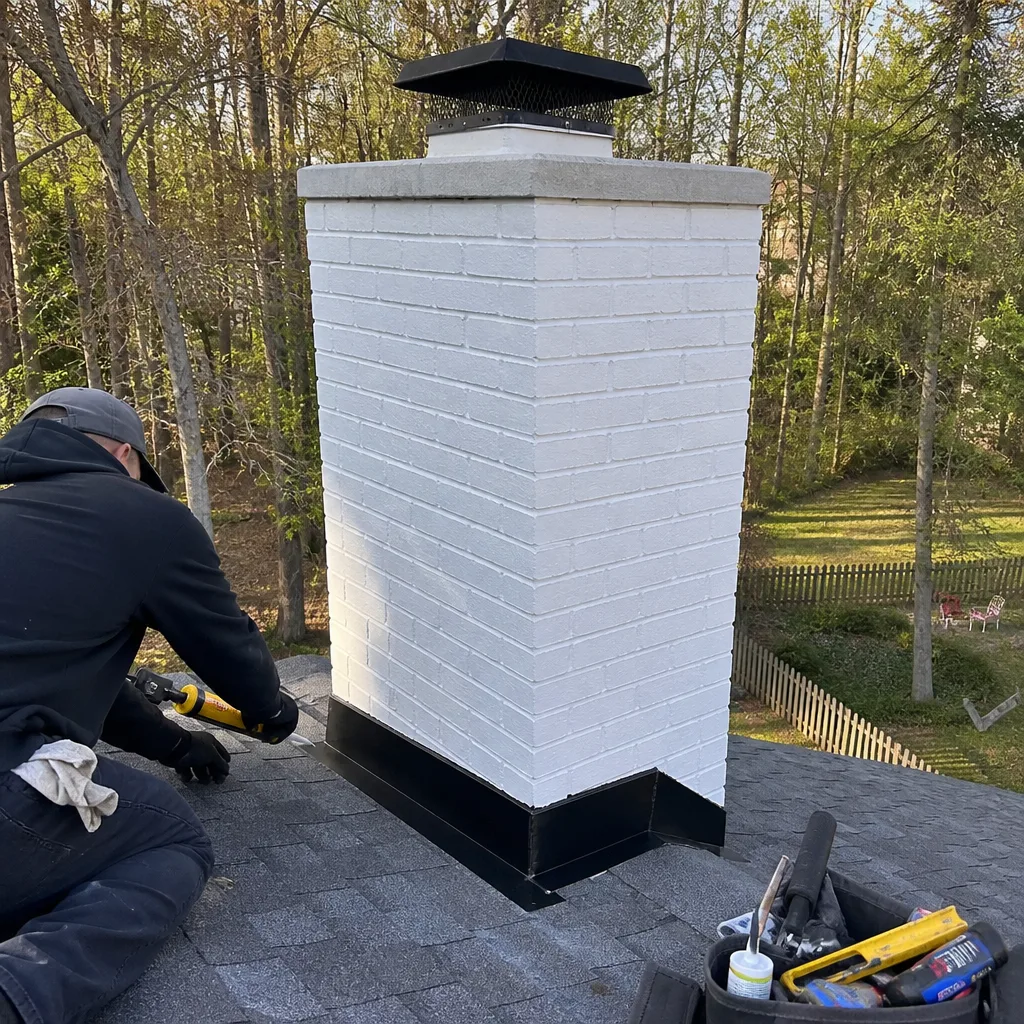
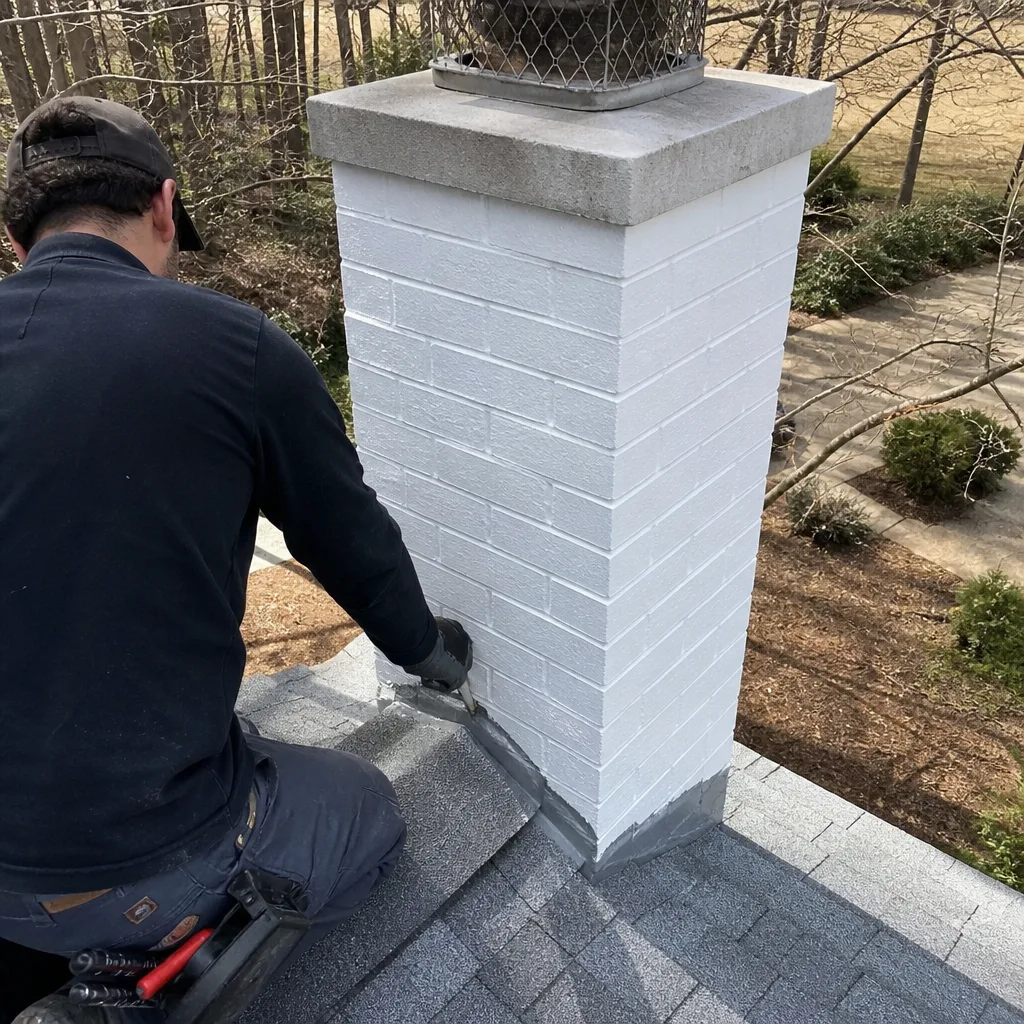
Rust streaks running down from under the chimney cap or across the face of the brick are another mechanical clue. The cap, the metal hat that sits on top of the chimney, is the first line of defense against rain. When it rusts through or the seams open up, you’ll often see orange streaking, which means the cap has been failing for a while. The same goes for the flashing, and rust staining at the roofline tells you that water has been running behind the flashing for long enough to leave a trail.
Inside the house, look at the area directly above the firebox opening. Black staining that extends up the face of the masonry, particularly a dark smudge that doesn’t wipe away, is a sign that smoke is rolling out of the firebox during burn cycles instead of drafting into the flue. This can indicate creosote buildup blocking proper airflow, a flue that’s too large or small for the firebox, or a damper that doesn’t fully open. If you see this kind of marking, a chimney sweep in Marietta should evaluate the system before the next lighting.
Do a Seasonal Spot Check
- Walk around the house and look for any white mineral deposits on chimney brick.
- Check for rust streaks or staining directly below the chimney cap.
- Check the ceiling and wall surface around the chimney chase for any water marks or soft spots.
- Look at the firebox walls for cracked or missing mortar joints, a sign of water or heat damage.
- Inspect the damper plate for rust or warping while it’s closed.
Sounds That Signal Animal Intrusion or Liner Damage
If your chimney has ever sounded like it’s alive, it probably is. Sound is an underrated diagnostic channel for chimney health, and three categories of sound each mean something specific.
Scratching, fluttering, or scurrying sounds at the top of the flue almost always indicate birds, squirrels, or raccoons using the chimney as a nesting site. In Marietta, chimney swifts are protected by law and are the most frequent uninvited guests, which means there’s a legal season when their nests cannot be removed. Animals introduce nesting material into the flue, which can ignite, and their droppings create odors and corrosion. If you hear active animals, you’ll need an inspection that includes whether a proper chimney cap with animal screening is installed, because the animals are a symptom of an opening, and the opening won’t close itself.
A consistent whistling sound, especially when the fireplace isn’t in use and winds outside pick up, usually means air is being drawn through gaps in the damper seal or leaks in the chimney structure itself. It’s the same principle as a leaky window. Whistling coming from above the firebox during a burn cycle can also mean the flue tile lining is cracked or misaligned, so instead of a clean draft, air is being pulled through unintended gaps.
The popping or pinging of clay flue tiles during a fire is a sound you only hear when the chimney is hot, and it’s the one that worries experienced chimney technicians the most. Clay tile liners expand as they heat. If the liner is cracked, spalled, or the tiles have shifted, the expansion pressure creates a popping or ticking sound. That means the only barrier between the fire and your home’s structural framing is compromised. A flue liner with this kind of damage needs professional repair, and it should stop being used immediately.
The Damper Test: A 60-Second Check Any Homeowner Can Do
Your damper is the metal door, usually with a lever or chain handle, that sits just above the firebox. Its job is simple: fully open while a fire burns, fully closed every other minute of the year. A damper that leaks when closed is the equivalent of leaving a small window open year-round, except the air it leaks carries chimney odors into the house and sends your conditioned air up the flue.
To check if your damper seals completely, do this on any day when you have a flashlight and a few minutes:
- Close the damper completely.
- Darken the room as much as possible and shine a flashlight into the area above the damper.
- With the light directed upward, close the flashlight against your eye and look for light bleeding around the edges of the damper plate.
- Do the same check from above if you’re able to lay the flashlight on top of the closed plate and look up from the firebox.
- On a windy day, stand below the closed damper and listen for any air movement.
A properly sealing damper blocks all visible light. If you see light around the plate, the seal has failed, warped, or the damper sits out of alignment. That gap sends heated air out of your house in winter, pulls humid air down into the firebox in summer, and in a tight house can push carbon monoxide from appliances into the living space if the pressure balance in the room shifts. Dampers can sometimes be adjusted, and sometimes they need replacement, but this is the single highest-value minute a Marietta homeowner can spend on chimney maintenance. It also interacts directly with your chimney cleaning schedule. Moisture settling into creosote through a damper gap accelerates the creosote into its harder, more corrosive states.
Stop Using the Fireplace Immediately vs. Urgent But Not Emergency
The hardest part of owning a fireplace isn’t knowing something is wrong. It’s knowing how wrong. Here’s a practical guide to sorting warning signs into two categories: stop using the fireplace now, and schedule an inspection within the next week or two.
Stop Using the Fireplace Immediately
- Smoke backing up into the room during a fire. This is a drafting failure. The smoke you’re breathing contains carbon monoxide and fine particulates. The causes can range from creosote buildup to flue design to a negative pressure situation inside the house, but none of them resolve themselves.
- Pinging, popping, or ticking sounds from the flue during a fire. As covered above, this is the sound of a compromised liner. The next fire could be the one that puts heat directly against your home’s framing.
- Visible flame or ember outside the firebox. Any fire outside the box, even a brief one, is an automatic stop. It means a path exists between the fire and the house structure.
- A sulfur or rotten egg odor near a gas fireplace. Natural gas is odorized specifically so you’ll recognize it. Call your gas utility immediately and shut off the gas supply at the appliance. Do not operate any electrical switches.
- Chunks of flue tile or masonry that have fallen into the firebox. These are evidence that the structure above has already failed. The pieces you can see are the ones that made it all the way down.
Urgent, But You Have a Week or Two
- Musty or acrid smells when the fireplace hasn’t been used. These indicate moisture or creosote buildup but don’t create an active fire risk overnight. Schedule a chimney cleaning and inspection, and do not light the fireplace until you’ve had it checked.
- White efflorescence on exterior brick. The water problem exists, but masonry damage accumulates over months and years, not days. Diagnosing and sealing the intrusion point before winter arrives is the goal.
- Rust streaks under the chimney cap. The cap is failing, which is letting moisture into the flue. This should be addressed before heavy fall rains and winter freeze-thaw cycles.
- Animal sounds inside the flue. If the animals are active and protected by law, removal may need to wait until the nesting season ends. However, the chimney cap and animal screening should be installed as soon as legally permitted to prevent re-entry. Do not start a fire to smoke animals out; that either kills the animals or fills your house with smoke, and neither is a good outcome.
- Black staining above the firebox. Airflow problems that cause smoke staining don’t typically escalate in a week, but they mean the system is operating poorly and should be corrected before the next burn season.
What Chimney Cleaning and Repairs Actually Cost in Marietta
Understanding what a chimney cleaning and its related repairs cost helps you plan instead of panic. These are current market ranges for the Marietta area, and while every house is different, they’ll give you a realistic sense of the numbers.
- Standard chimney sweep and inspection: $189 to $289 for a single flue, including a level-appropriate inspection and the mechanical sweeping of creosote from the flue walls. Most wood-burning chimneys in Marietta fall in this range.
- Chimney cap replacement or new installation: $225 to $550 depending on the cap material, flue size, and whether custom fabrication is required. A properly sized chimney cap is the single most effective way to keep animals and rain out of the flue.
- Damper replacement or repair: $250 to $600 if accessible from the firebox. Top-sealing dampers, which install at the top of the flue and seal with a rubber gasket, typically run higher but solve both animal and energy-loss issues with one fixture.
- Flue liner repair (HeatShield cerfied application): $900 to $2,400 depending on the flue size, access difficulty, and the extent of the damage. This is a structural repair, not a cleaning, and it restores the liner’s fire-resistance.
- Full stainless steel flue liner (DuraFlex flexible liner): $2,800 to $6,000 installed. This is the most involved repair a chimney typically needs and is generally paired with an appliance connector and a proper rain cap.
- Chimney waterproofing treatment: $275 to $450 per application. Waterproofing doesn’t repair cracks; it prevents further water absorption through the masonry surface after other repairs are complete.
Every chimney repair from Hadley Chimney Marietta includes a written guarantee on the repair and a free second visit if the repair fails, covered for 365 days. The written price is provided before any work starts, every time. If you’re weighing a repair against replacement, we’ll send you the camera photos from the flue inspection so you can see the problem with your own eyes, not just take a technician’s word for it.
What Affects the Price
- Flue height and roof pitch, which determine equipment and access requirements.
- Whether the chimney has one flue or multiple flues that need independent attention.
- The degree of creosote buildup, which affects labor time during a sweep.
- Whether masonry repairs or flashing work are required before the flue itself can be serviced.
- Chimney age and the condition of the existing liner, which affects repair options available.
Chimney cleaning and inspection are straightforward, flat-price services in most cases. Structural repairs vary based on access and material condition, which is why a camera inspection and a written quote before any work begins are important.
Why Marietta’s Climate Makes These Warning Signs Worse Than Other Cities
Marietta sits at roughly 1,100 feet of elevation in a humid subtropical climate, and the way that climate interacts with masonry chimneys creates a specific set of risks that homeowners in drier, colder regions don’t face. Understanding these local conditions explains why so many warning signs in the area are moisture-driven rather than creosote-driven.
First, the humidity. Outdoor relative humidity in Marietta averages above 70 percent for much of the year, and the air carries the same moisture into your chimney chase. In a brick chimney that hasn’t been waterproofed, that ambient moisture gets absorbed into the masonry, then heated and cooled repeatedly. Creosote is hygroscopic, which means it attracts and holds water. In a humid climate, creosote inside the flue pulls moisture out of the air and becomes stickier, more corrosive, and more likely to glaze during cooler burn cycles. It also produces a much stronger odor, which is why a chimney can smell in August in Marietta that would be completely unnoticeable in Denver.
Second, the freeze-thaw cycles. Winter temperatures in Marietta regularly swing from below freezing at night to the mid-40s or higher in the afternoon. Each time moisture inside a brick chimney freezes, it expands. Each time it thaws, the brick, the mortar joints, and the crown take a little more damage. Over 20-plus years, those small fractures become water intrusion routes. Efflorescence, spalling brick, and crown cracking are all accelerated by this cycle. Chimneys that would last decades without repair in a drier climate can show real structural fatigue in half that time in this one.
Third, the storm season. Thunderstorms moving through Marietta from late spring through fall can dump two inches of rain in an afternoon. A chimney cap that has any gap, a cracked crown, or flashing that has separated by even a quarter inch can take on gallons of water over a single storm season. All of it lands on top of the damper and inside the flue, filtering down through the creosote and nesting material into the firebox. This is why the musty smell after a summer rain is such a reliable warning sign in this area.
The practical takeaway is simple: chimney maintenance for a Marietta home should emphasize water management more than in most cities. Every chimney here should have an intact cap with animal screening, a properly sealed crown, functioning flashing, and masonry that repels water. These are not optional upgrades, and they’re the reason our Chimney Sweep in Marietta inspections always include a top-down moisture assessment, not just a creosote check.
Common Mistakes to Avoid
- Lighting a fire after noticing a musty smell without having the chimney inspected. The smell indicates moisture is already inside the flue, and burning over a wet, creosote-laden liner accelerates deterioration and increases fire risk.
- Assuming a chimney sweep is only about creosote. A proper sweep includes a full visual inspection of the cap, crown, flashing, damper, firebox, and flue condition. In Marietta, moisture findings are often more urgent than creosote findings.
- Smoking animals out of the chimney by building a fire. This can ignite nesting material, kill protected birds, and fill the house with smoke. Animal removal requires patience and, in some seasons, legal compliance.
- Ignoring efflorescence as just a cosmetic issue. It’s evidence of water movement through the masonry, and the longer it goes unaddressed, the more brick and mortar damage accumulates behind the surface.
- Replacing a damper without evaluating the whole system. A new damper seals the flue, but it also seals in any moisture or odor problem that’s already present. If the cap is rusted or the crown is cracked, the damper replacement alone won’t solve the underlying problem.
- Using a chimney without a cap at all. Some older Marietta homes still have uncapped chimneys, and this is an open invitation for rain, animals, and debris. A cap is one of the most cost-effective protective measures any chimney can have.
- Deferring a flue liner repair because you can’t see it. The liner is the safety barrier that keeps heat from reaching your home’s framing. If a camera inspection shows cracking or spalling, the repair isn’t optional. It’s the structural boundary between fire and house.
When to Call a Professional
If you’ve run through this guide and any of the warning signs are present, a professional chimney inspection is the next step, and it’s one of the most affordable diagnostic visits you can schedule for your house. Here are the specific situations where calling a chimney technician is the right move.
Any visible smoke backup during a fire, any popping or pinging from the flue, any active animal presence, any persistent odor that worsens on humid days, any water staining inside the house around the chimney chase, and any firebox masonry that’s cracked, crumbling, or missing mortar. These are not items to wait on. Hadley Chimney Marietta offers free estimates throughout the Marietta area, and every inspection includes before and after photo documentation so you can see exactly what we saw. Call (762) 249-4619 to schedule, and a live person will answer, day or night.
If you’re unsure whether what you’re seeing is a problem, call anyway. Describe what you see, and we’ll help you determine if it needs a visit or if it can wait. A phone call costs nothing, and the answer might save you a liner replacement later.
Frequently Asked Questions
A wood-burning chimney should be swept at least once per year and inspected before the first fire of the season, especially in Marietta where humidity and summer storms contribute to creosote buildup and moisture intrusion. If you burn fires more than once a week during the winter, or if you burn unseasoned wood, you may need a mid-season sweep. Gas fireplaces should be inspected annually but don’t require mechanical sweeping in the same way wood burners do, though their venting should be checked for blockages and carbon buildup. If you can’t remember the last time your chimney was cleaned, it’s been too long. Call (762) 249-4619 and we’ll get you on the schedule before the next cold snap.
A standard chimney sweep and inspection in Marietta typically costs between $189 and $289 for a single flue, which includes the mechanical brushing of the flue walls, a full visual inspection of accessible components, and a written report. Heavier creosote buildup, multiple flues, or complex roof access can add to the total. Repairs identified during the sweep are quoted separately, in writing, and are never started without your approval. Hadley Chimney Marietta provides a flat written price before any sweep begins and includes before and after photo documentation with every visit. Call (762) 249-4619 for an exact quote for your chimney.
If a camera inspection shows that your flue liner has cracked, spalled, or separated at the joints, the liner has failed its primary job: keeping heat and combustion gases contained inside the flue. There is no safe way to keep using a fireplace with a compromised liner, and no amount of sweeping will restore its structural integrity. In some cases HeatShield, a ceramic repair compound that restores the liner surface, can repair moderate damage without a full replacement. In others, a DuraFlex flexible stainless liner is required. Hadley Chimney Marietta shows you the camera footage before recommending any liners, so you’ll see exactly why the chimney needs the work. Call (762) 249-4619 to schedule a level-two camera inspection.
Creosote, which forms every time wood smoke cools inside the flue, continues to build up. It doesn’t dissipate, and it doesn’t get cleaned out by rain. Over time, it goes from soft and flaky to hard and glazed, becoming more flammable and harder to remove. That means both higher fire risk and a costlier future cleaning. Meanwhile, moisture problems like a cracked crown or failing flashing continue to worsen through every rain event and freeze-thaw cycle, turning a $289 sweep into a $2,000+ liner repair or a full masonry rebuild. Skipping the cleaning isn’t free; it’s just deferred, with compounding interest, in a Marietta climate that’s particularly hard on chimneys.
You can, but you should ask yourself what you’re actually going to learn from it. A homeowner-grade brush kit from a hardware store can remove some of the loose creosote in the flue, but it does not inspect the cap, crown, flashing, damper, or flue liner, and it may not be the right size or type for your chimney. Worse, if the flue liner is already damaged, pushing a brush through it without knowing can make the problem worse. Most importantly, a DIY sweep gives you no photographic record of the flue condition before and after. A professional sweep includes exactly that, plus an inspection of the components you can’t see from the ground. If you do choose to clean your own chimney, wear a respirator, use proper fall protection if you’re on the roof, and follow with a professional inspection before firing season.
A level 1 inspection covers the accessible components of the chimney during a routine sweep, looking at the flue, cap, damper, and firebox to confirm the system is operating normally. A level 2 inspection includes everything in a level 1 inspection plus camera scanning of the entire flue length, and it’s required when the chimney has experienced any major event like a chimney fire, a lightning strike, or a change in the heating system. It’s also recommended as a baseline when buying a home. In Marietta, where many homes were built decades ago and have moisture exposure from the climate, a level 2 inspection can reveal liner damage that a visible inspection alone will miss. Hadley Chimney Marietta offers both levels and shows you the camera footage from a level 2 inspection on site.
The Bottom Line
Chimneys are simple systems with a small number of failure modes: creosote buildup, water intrusion, animal activity, and liner failure. All of them announce themselves before they become dangerous, but only if you know what normal looks like. In Marietta, the climate speeds up all of these problems, so the watchful homeowner has a real advantage. Learn the smell profiles, check for efflorescence and rust streaks, listen for sounds that don’t belong, and test your damper seal. Trust the evidence your house is giving you, and when something doesn’t smell or sound right, call a professional before the next fire. For ongoing care, explore more guides & resources from our team. The difference between a $229 sweep and a $2,400 liner repair is usually just the amount of time between noticing and acting.
Written by Cory Mitchell, Owner at Hadley Chimney Marietta, serving Marietta since 2003.
For a thorough chimney evaluation from a team that shows you the photos and gives you a written price before work begins, call Hadley Chimney Marietta home at (762) 249-4619 or schedule your Chimney Repair in Marietta inspection online.
See the difference
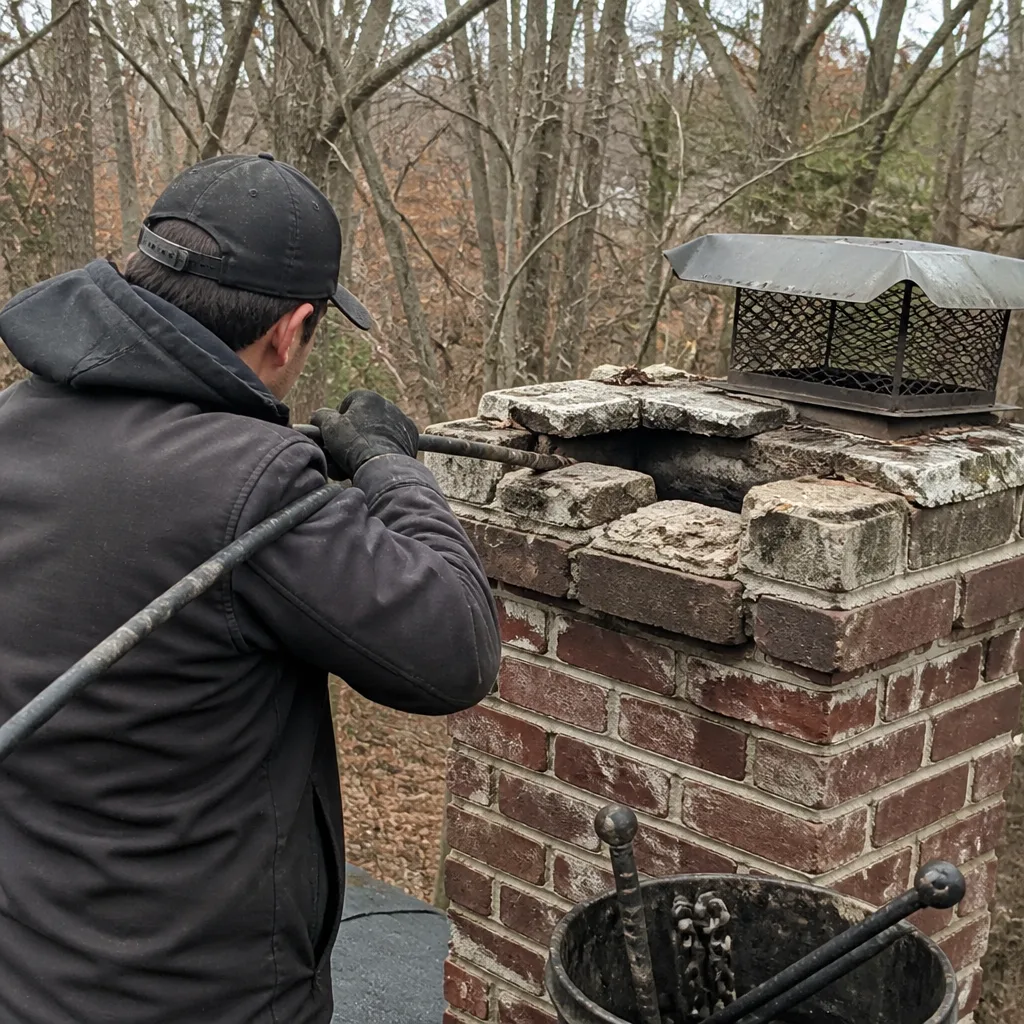 Before
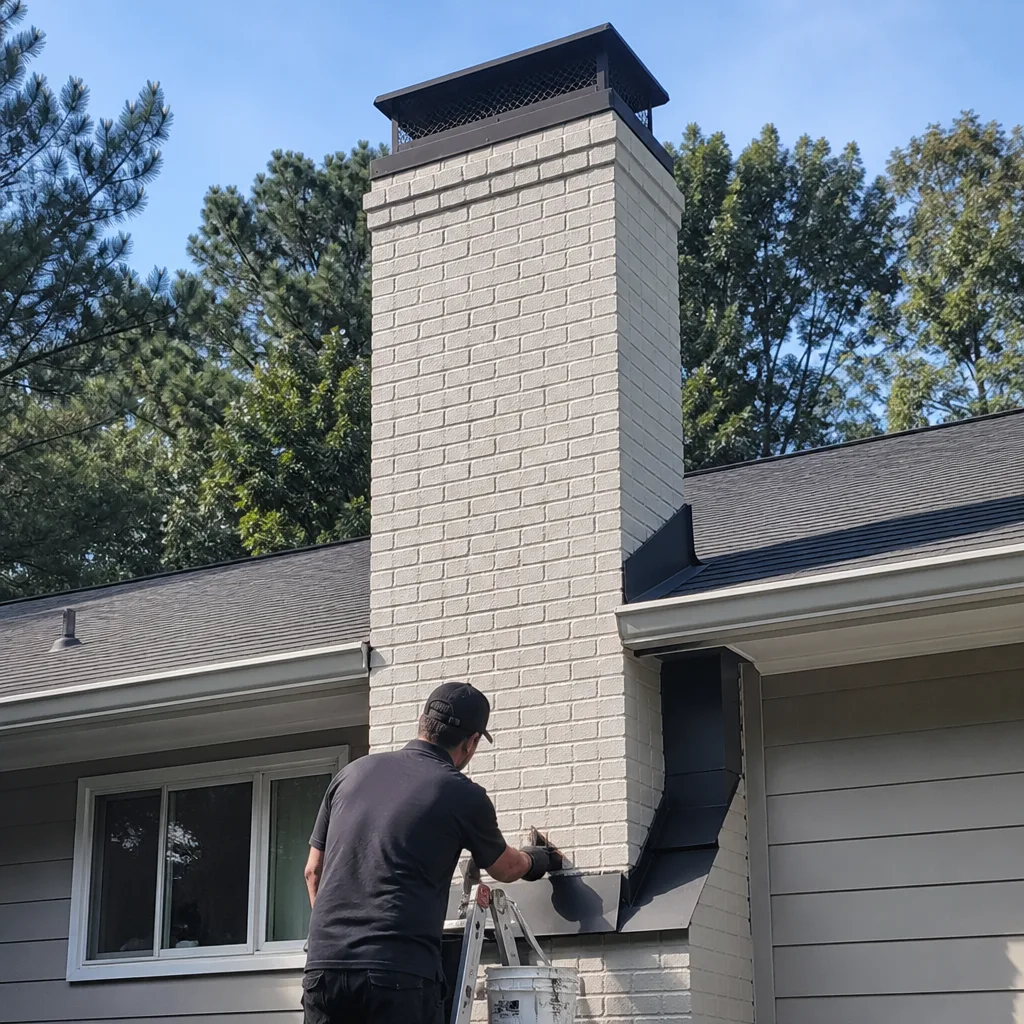 After
After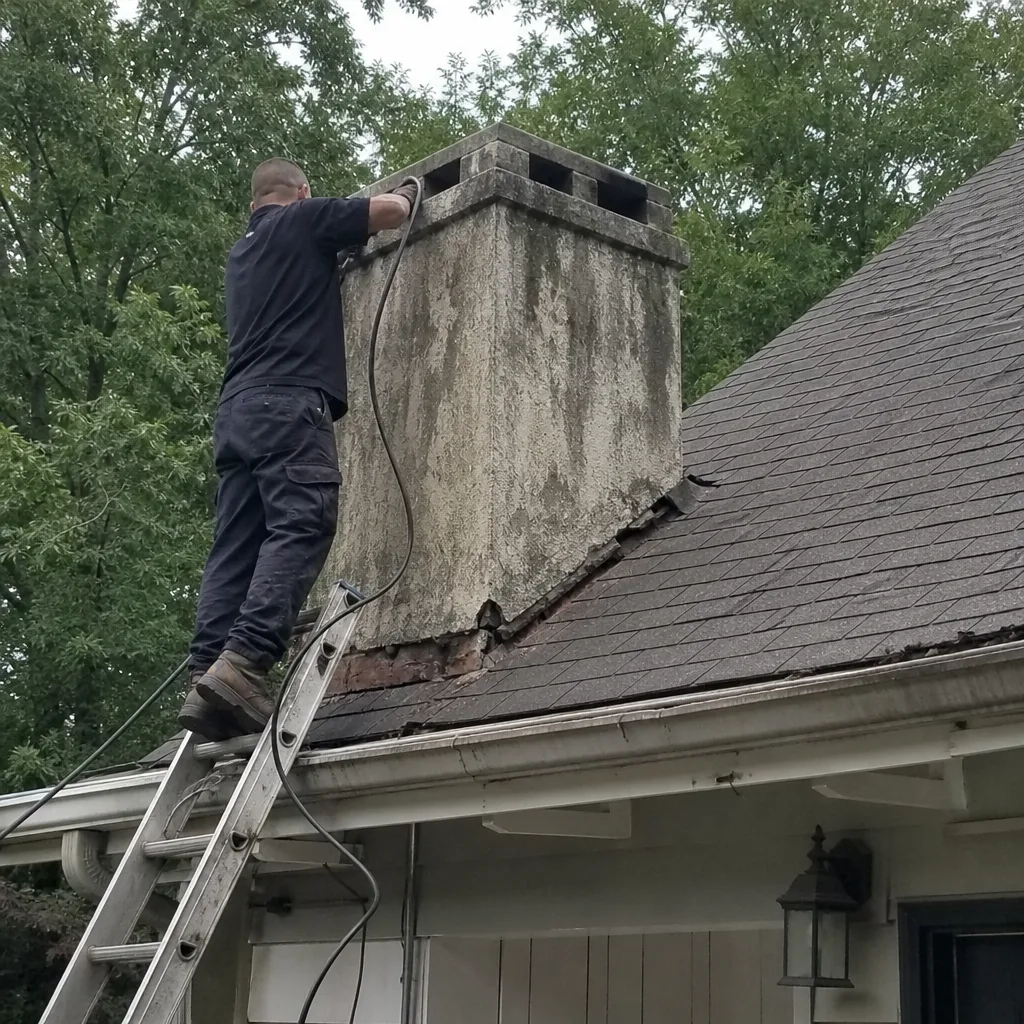 Before
 After
After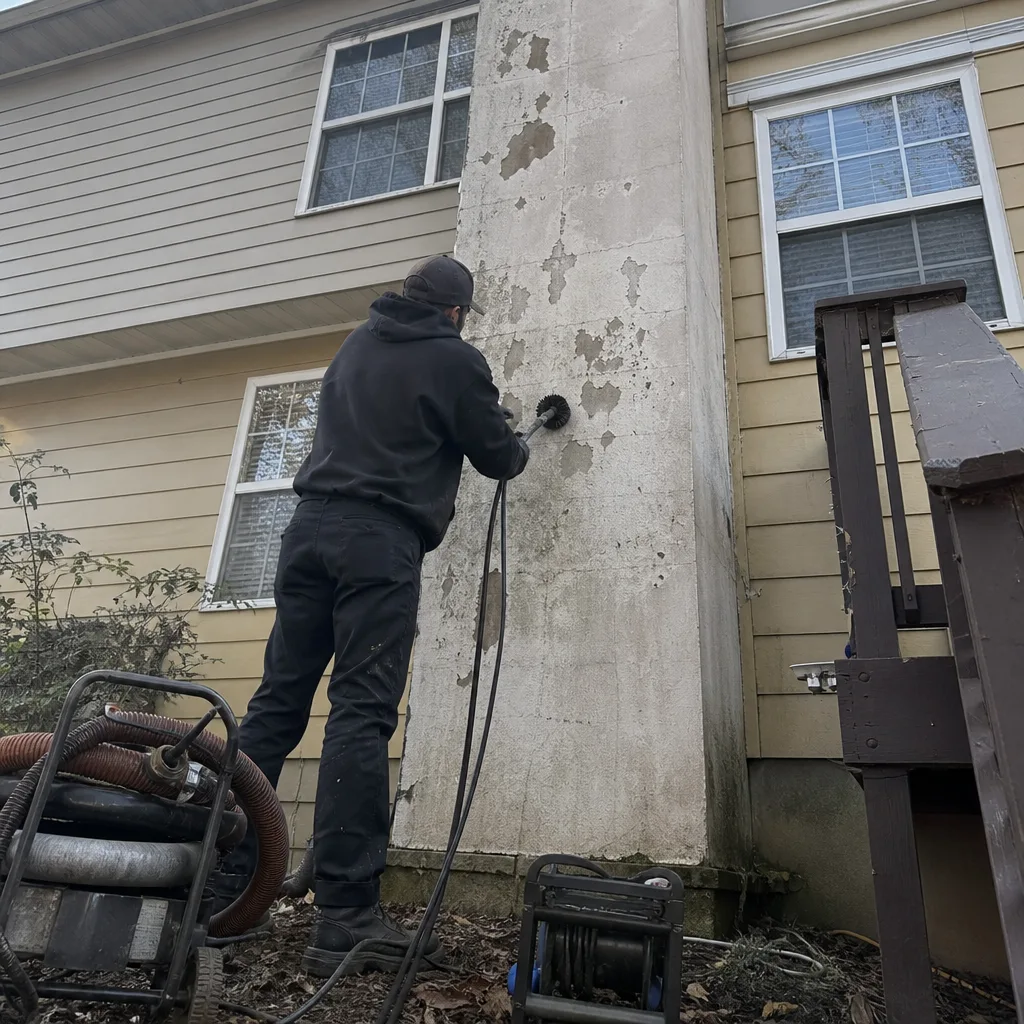 Before
 After
After