
Last updated October 15, 2026
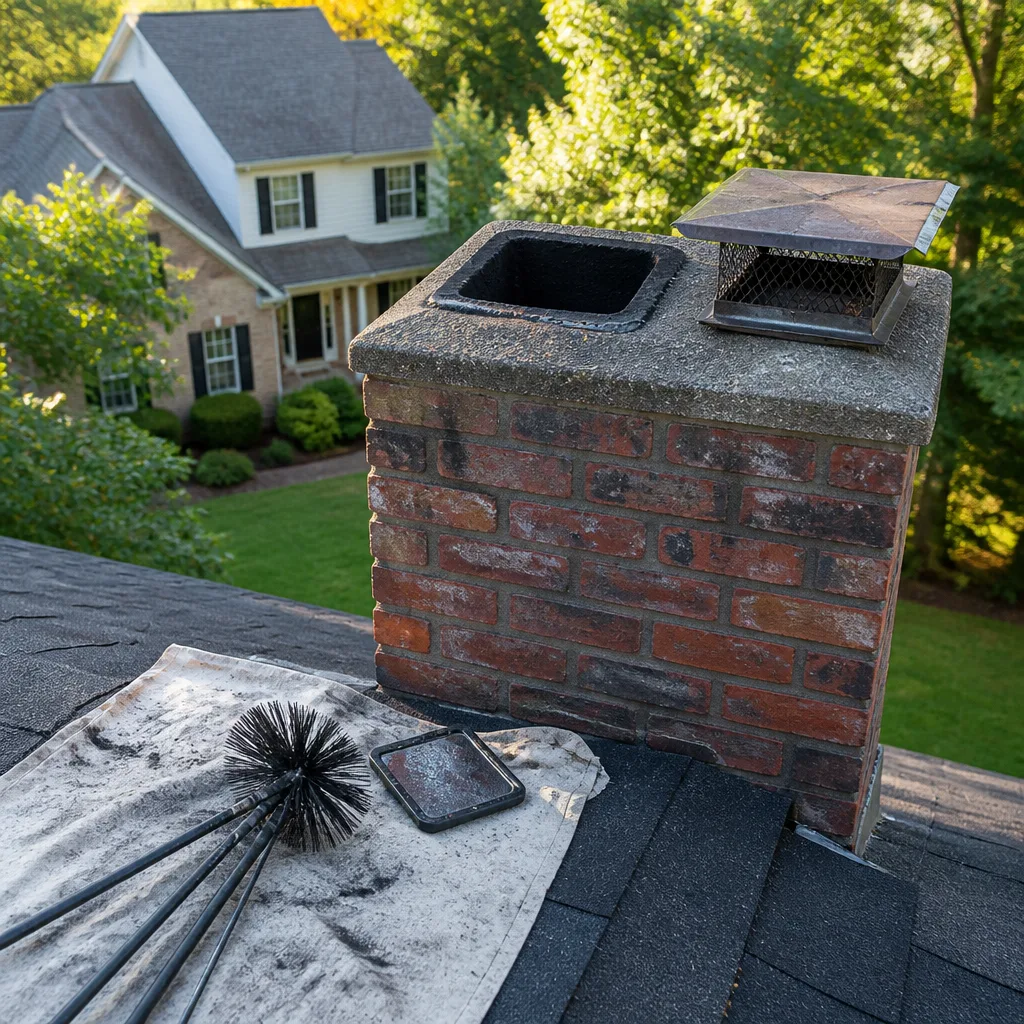 Sweep & inspection
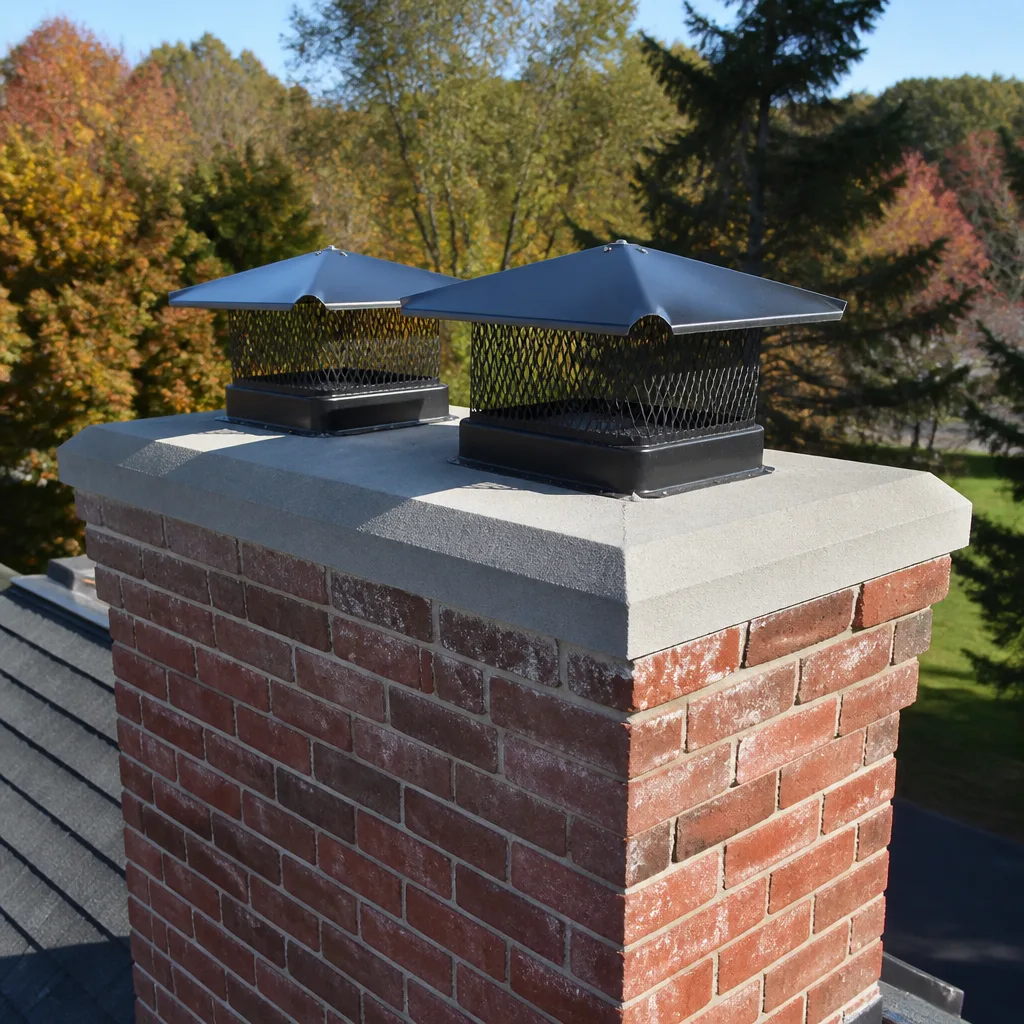 Caps & crowns
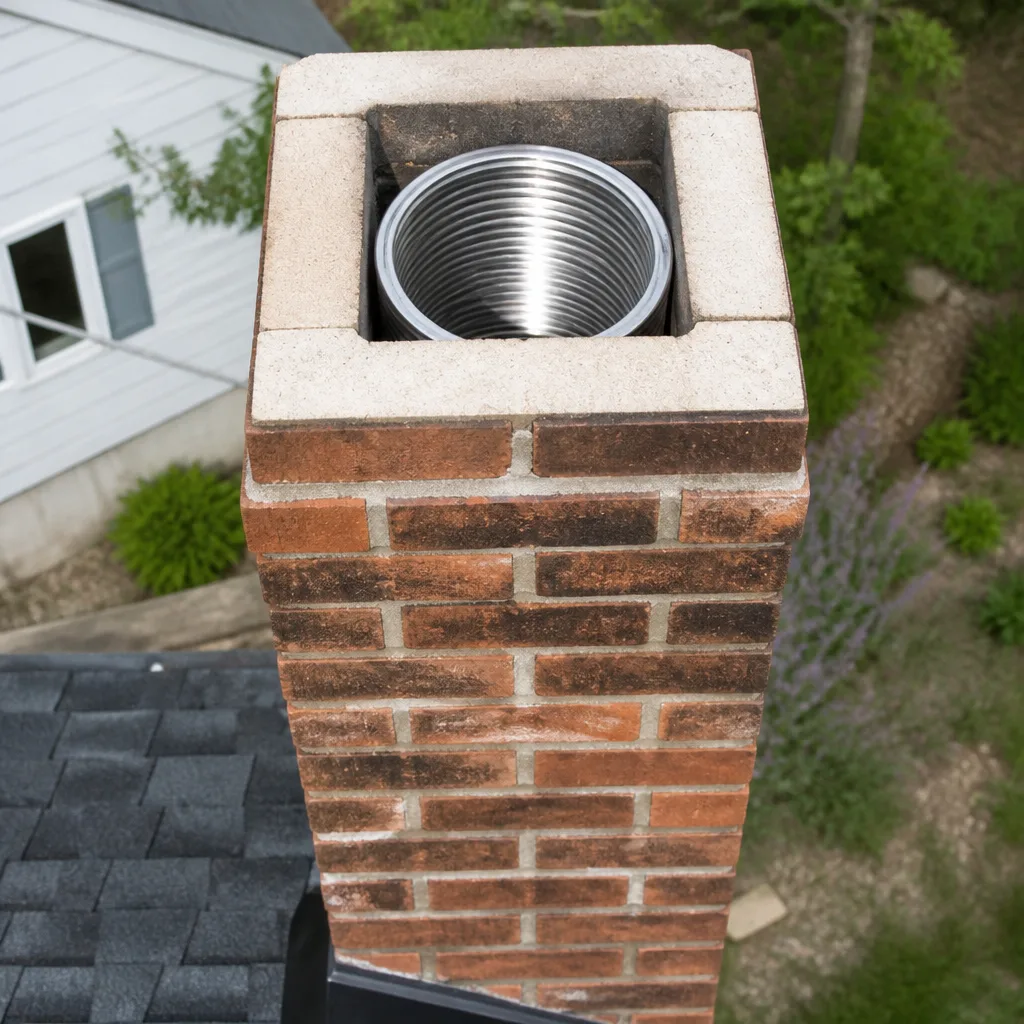 Flue relining
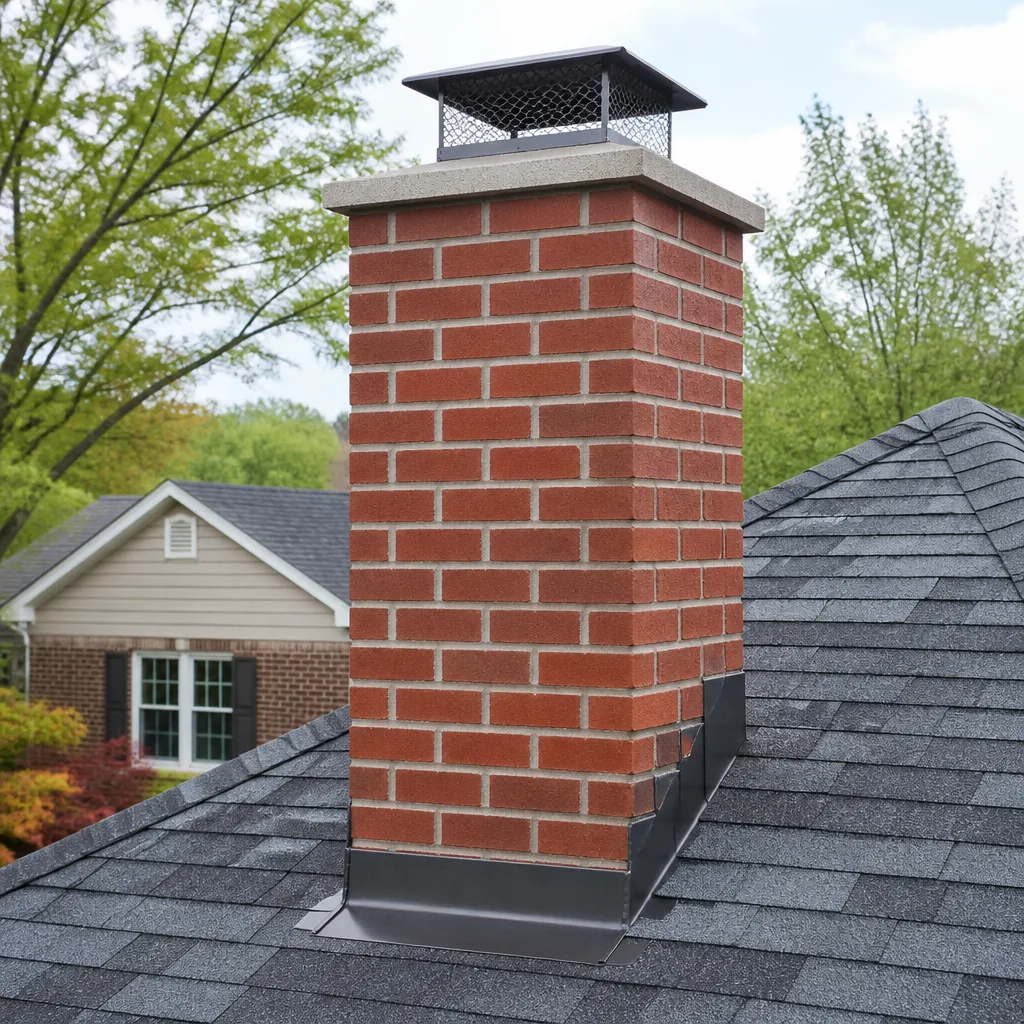 Masonry repair
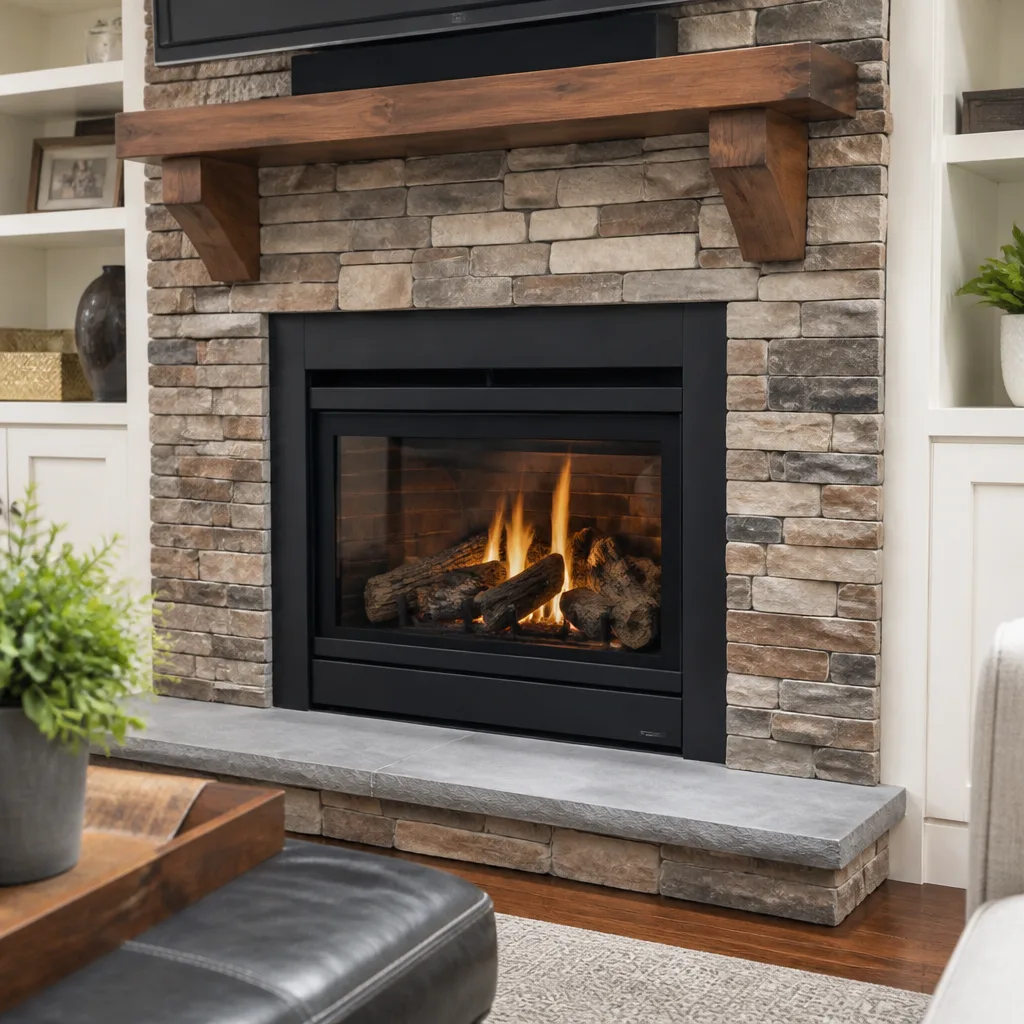 Gas fireplace service
Level 1 sweep and inspection to the NFPA 211 annual standard - flue, crown, cap, and flashing checked and photographed
Chimney sweep logs do not sweep chimneys. They loosen some creosote - which then falls where a brush and vacuum still have to collect it.
DIY vs Professional Chimney Cleaning: The Marietta Homeowner’s Decision Guide
You can buy a chimney brush kit at Home Depot for $40 and physically move soot out of your flue. You’ll do it completely blind, with no way to see whether the tile liner you just brushed is cracked, whether the smoke shelf is actually clear, or whether what you dislodged is stage-one creosote or the glazed stage-three variety that requires chemical treatment, not brushing. This guide breaks down what a Marietta homeowner can realistically do with a store-bought kit, what they can’t, and where the real risk hides. We’ll walk through costs, creosote science, the diagnostic gap, and the specific scenarios where doing it yourself makes sense.
Styles & brands we work with
Quick Answer
DIY chimney cleaning in Marietta works for surface soot removal, but it cannot assess creosote stage, liner condition, or firebox integrity. A professional sweep costs $180 to $340 in this market and includes the diagnostic half of the job: camera inspection, stage assessment, and repair recommendations. Most homeowners should hire a professional for the first cleaning-see our guide on How to Hire a Chimney Cleaning Contractor in Marietta: A Step-by-Step Guide-especially if the chimney hasn’t been swept in two or more years.
Table of Contents
- What a DIY Brush Job Actually Accomplishes
- The Diagnostic Gap: What You Can’t See From the Fireplace
- The Three Creosote Stages Explained
- Real Cost Comparison: DIY vs Professional in Marietta
- When DIY Actually Makes Sense
- What Before-and-After Photos Actually Prove
- Marietta-Specific Considerations
- Common Mistakes to Avoid
- When to Call a Professional
- Frequently Asked Questions
- The Bottom Line
What a DIY Brush Job Actually Accomplishes
A store-bought chimney brush kit does one thing well: it moves loose soot and light creosote off the flue walls. You attach the brush to flexible rods, run it up and down from the firebox or down from the roof, and the bristles scrape off whatever isn’t firmly adhered. For a chimney with light, powdery buildup, this can be genuinely useful maintenance between professional visits. The problem is that soot removal is maybe a third of what a sweep actually is.
Here’s what a brush kit does not do:
- It cannot assess creosote stage. Stage one creosote brushes off as dust. Stage three is a hard, glazed coating that laughs at a wire brush. On the walls of a flue, they look similar to an untrained eye from 20 feet below.
- It cannot inspect the tile liner for cracks. Clay tile liners crack over time from thermal stress, and a cracked liner sending heat into your framing is what chimney fires are made of. You can’t see a hairline fracture from the roof with a flashlight.
- It cannot confirm the smoke shelf is clear. The smoke shelf sits above the damper and catches debris, dead birds, and nesting material. Guessing at it isn’t inspecting it.
- It cannot check the crown, flashing, or exterior masonry. These are the parts that leak water into your chimney, and water damage silently destroys mortar joints and brick faces.
- It cannot identify animal entry points or blockages mid-flue. A raccoon nest halfway down a 25-foot flue won’t be dislodged by a brush from either end.
We’ve had Marietta homeowners in neighborhoods like Indian Hills and Whitlock Park call us after a DIY attempt, feeling good about the soot they removed, only for our camera to find a cracked flue tile behind a spot the brush never touched. The brushing was real. The safety check was absent.
The Diagnostic Gap: What You Can’t See From the Fireplace
The actual value in a professional chimney cleaning isn’t the brushing. It’s the camera. At Hadley Chimney Marietta, every sweep includes a video inspection of the liner before and after we clean, and you see the footage yourself. This is the part of the job a consumer brush kit structurally cannot replicate.
Here’s what a professional sees that you can’t:
- Liner condition at every vertical foot. A clay tile liner that looks fine from the top can have a crack at the 12-foot mark, hidden behind a bend. The camera shows it in real time.
- Creosote thickness and stage. A camera close-up distinguishes between dusty stage-one creosote and tar-like stage-three glaze. The treatment for each is different.
- Smoke chamber and smoke shelf geometry. This is the area above the firebox where smoke slows and deposits accumulate. It’s also where most house fires from chimneys originate.
- Firebox mortar joints and metal parts. Cracked firebrick and a warped damper are visible only with direct light and a close view.
- Flue offset and shape changes. Many Marietta homes have chimneys with bends or size transitions. A straight brush kit can’t follow a curved path, which means it leaves unbrushed sections behind.
The gap isn’t effort or willingness. It’s visibility. A homeowner running a brush through a flue is doing a physical task. A professional running a camera through is doing a diagnostic. Both matter. One without the other leaves the fire risk question unanswered.
The Three Creosote Stages Explained
Creosote is the flammable tar-like residue that forms when wood smoke condenses on cooler flue walls. Every fire produces some. The question is what stage it’s in. Stage directly dictates cleanup method, frequency, and the urgency of the problem. Here’s the breakdown in plain English:
- Stage One: Soot and dusty flakes. This is fine, powdery buildup that forms when a fire burns hot and the chimney drafts well. It brushes off easily. A flue in stage one is generally safe to use. Most chimneys with regular, proper fires stay here.
- Stage Two: Crunchy, flaky or granular glaze. This forms when smoke cools too much before exiting, typically from burning unseasoned wood, smoldering fires, or a chimney that’s too large for the firebox. It looks like black cornflakes and adheres more firmly. It will not fully come off with a consumer brush. It usually requires professional rotary brushing or chemical treatment.
- Stage Three: Glossy, tar-like coating. This is creosote that has cooked into a hard, shiny layer. It can look like black glass. It’s extremely concentrated fuel, it ignites at around 400 degrees Fahrenheit, and it requires chemical agents followed by aggressive mechanical removal. A wire brush from a $40 kit will not remove stage-three creosote. It will just shine the surface.
Only a camera can reliably tell you which stage you have. A homeowner in East Cobb who burns a lot of soft pine and runs low, smoky fires may be flirting with stage two or three while assuming everything is fine because the chimney “looks clean” from the firebox. We’ve swept chimneys in Marietta that looked mildly dirty to the naked eye and turned out to have stage-three glaze inside the upper third of the flue.
If you’re unsure what stage you’re dealing with, a Chimney Sweep in Marietta can tell you in one visit and show you the footage.
Real Cost Comparison: DIY vs Professional in Marietta
Let’s put dollar figures on this. The numbers below reflect what we see across Marietta, Smyrna, Kennesaw, and Roswell from our own work and local competitors. They’re ranges, not quotes, because every chimney is different.
DIY Cost Breakdown
| Item | Cost |
|---|---|
| Brush kit (rods, brush, tarp) | $40 to $120 |
| Shop vacuum or chimney vacuum rental | $0 to $60 |
| Ladder (if you don’t own one) | $80 to $300 |
| Safety gear (gloves, goggles, mask) | $15 to $40 |
| Time investment | 2 to 4 hours |
| Total DIY cost | $135 to $520 |
Professional Sweep Cost Breakdown (Marietta Market)
| Service | Typical Range |
|---|---|
| Standard chimney sweep (inspection + cleaning) | $180 to $340 |
| Camera inspection (add-on if not included) | $50 to $150 |
| Creosote chemical treatment (if stage two or three) | $80 to $200 |
| Total professional cost | $180 to $490 |
On paper, those numbers look close. Here’s what the comparison hides. If a DIY job misses a cracked liner and you light your first fire of the season, the resulting chimney fire can melt the liner, crack the masonry, and compromise the wall framing. Repairing that in Marietta typically runs $2,500 to $8,000 for a liner replacement, and double that if framing or insulation ignites. A $300 professional sweep with camera documentation makes that scenario close to impossible to miss.
The cost argument for DIY collapses when you add the diagnostic gap to the price. You’re not saving $200 if the thing you’re not seeing costs $5,000 to fix later.
When DIY Actually Makes Sense
This isn’t a blanket “never touch your own chimney” take. There are tasks that genuinely don’t require inside-the-liner visibility, and doing them yourself is reasonable maintenance. Here’s the honest list:
- Gas fireplace glass cleaning. Gas fireplaces don’t produce creosote, and the glass front is accessible and safe to clean with the right product. This is a great DIY task for any Marietta homeowner. If the gas unit itself needs repair, that’s a different question. We handle Gas Fireplace Repair in Marietta because gas valves and venting are genuinely dangerous to tinker with.
- Ash removal between burnings. If you burn wood regularly, scooping ash from the firebox once it’s fully cold is routine and safe. Don’t vacuum it with a household vacuum unless it’s specifically rated for ash.
- Exterior visual checks from the ground. You can and should look at your chimney cap, crown, and exterior brick from the yard once a season. You’re looking for obvious cracks, missing mortar, rust, or a cap that’s shifted. If you see something, get a professional look before water works its way in.
- Damper operation check. Open and close the damper a few times each spring and fall. If it sticks or doesn’t seal, that’s a Chimney Repair in Marietta issue, not a cleaning issue.
What ties these together: none of them require you to be inside the flue with a tool you’re operating blind. The safety-critical diagnostic work is the part that stays with a trained tech and a camera.
What Before-and-After Photos Actually Prove
Every professional sweep should offer photo documentation. This isn’t a cosmetic extra. It’s the proof that the work was done and the condition is what the tech said it is. At Hadley Chimney Marietta, this is standard on every job under The Relay Visibility Guarantee: live arrival tracking, before-and-after photo documentation, and a written price before work begins.
Here’s what good before-and-after photos show:
- The flue interior at several heights. Before photos show creosote buildup, cracks, blockages. After photos show the same spots clean and bare.
- The smoke chamber. This is the most commonly skipped photo, and it’s the area most likely to hide stage-two creosote.
- The firebox and damper. Before and after from the living room side, showing the condition of firebrick and metal components.
- The chimney crown and cap from the roof. You can’t see this from the ground, and a photo from the roof is worth a thousand ground-level glances.
If a sweep company won’t show you photos, that’s a signal. The technology exists, it costs nothing to snap a few photos with a borescope or phone, and a company that doesn’t document its work is asking you to take “trust me” as a substitute for evidence. In our experience cleaning chimneys across Marietta for over two decades, the companies that hide their work are the ones that skip the smoke chamber, skip the upper flue, and bill for a “full sweep” that was a brush run from the roof.
Ask for photos. If they push back, call someone else.
Marietta-Specific Considerations
Marietta’s climate and housing stock create specific chimney patterns worth knowing. The humid summers and wet springs mean chimneys here absorb a lot of moisture, and moisture is the slow killer of clay tile liners and mortar joints. When a homeowner goes years between sweeps, the creosote traps that moisture against the liner, accelerating corrosion and cracking. This is not a dry-climate problem.
The housing stock matters too. Homes in Marietta’s older neighborhoods, from the historic districts near the Square to mid-century ranches in East Cobb, often have original clay tile liners that are 40 to 70 years old. Clay tile was the standard for decades, and it cracks eventually. Many of the chimneys we inspect in Marietta have never had a camera in them, because the previous owner’s sweep was a brush-only job from the roof.
Homes built in the last 15 years in subdivisions around West Cobb and North Marietta often have stainless steel liners from brands like DuraFlex or Copperfield. These are more forgiving than clay, but they still accumulate creosote and still need annual inspection. A stainless liner with a quarter-inch of stage-two buildup is just as dangerous as a clay liner with the same.
One more Marietta-specific note: wood-burning fireplaces are extremely common here, many in homes that also have gas logs installed in the same firebox. If you’ve converted a wood fireplace to gas, the venting and clearance requirements change, and a DIY sweep kit won’t catch a venting problem. When in doubt, call someone who does both. Our Hadley Chimney Marietta home page covers both wood and gas service.
Common Mistakes to Avoid
- Assuming “I can’t see creosote, so there isn’t any.” Stage-one creosote on a clay liner is nearly invisible from below. We’ve shown homeowners photos of their own flues that they swore were clean.
- Running a brush through without a camera before or after. You literally don’t know what you’re missing. The before tells you what stage you’re at, the after tells you whether the brush did anything.
- Burning “cleaning logs” as a substitute for sweeping. Creosote-sweeping logs can loosen stage-one deposits, but they don’t clean the flue. Treat them as a supplement to a real sweep, never a replacement.
- Delaying a cracked liner finding. A cracked tile liner is a fire waiting for the right conditions. The moment a camera shows a crack, the clock is running on safety, not just efficiency.
- Cleaning a chimney that hasn’t had its cap checked. If the cap is missing or damaged, rain enters the flue and mixes with creosote, creating an acidic slurry that eats mortar. Sweep first, then fix the water entry, or you’ll be sweeping again next season.
- Trusting a “sweep” that doesn’t include the smoke chamber or smoke shelf. This is the most skipped area in budget cleanings. When we sweep in Marietta, the smoke chamber gets the same attention as the flue.
- Using a household vacuum for ash or soot near a gas fireplace. Ash vacuums are designed for hot particles. A standard shop vac can catch fire from embers you didn’t notice, and around gas units, household vacuums can damage ignition components.
When to Call a Professional
Call a professional if the chimney hasn’t been swept in two or more years, if you see flaky or glossy residue when you look up from the firebox, if you smell a campfire-like odor indoors, if water stains appear on the ceiling near the chimney, or if you’ve never had a camera inspection of the liner. These are the signals that a brush kit alone isn’t enough. Hadley Chimney Marietta offers free estimates in Marietta, and we’ll show you the camera footage before recommending anything. Call (762) 249-4619 and talk to a live person, or book online. This is the year to know what’s in your flue.
Frequently Asked Questions
A standard chimney sweep in Marietta typically runs $180 to $340, with camera inspection often included or available as a $50 to $150 add-on. If your flue has stage-two or stage-three creosote, chemical treatment adds $80 to $200. Every quote you get from Hadley Chimney Marietta is written before work starts, so you’ll never watch the price grow after the tech arrives. Call (762) 249-4619 for an exact quote. Estimates are free.
The National Fire Protection Association recommends a sweep whenever creosote reaches 1/8-inch thickness, which for most burning households means annually. In Marietta’s humid climate, we tell regular wood burners to sweep every year, occasional burners every two years, and anyone who’s unsure to get a camera inspection before deciding. If you burn unseasoned wood or run a lot of low, smoky fires, you’ll need cleaning more often, not less.
A cracked clay tile liner is not automatically a full replacement. Some small cracks can be addressed with a trade product like HeatShield, a ceramic resurfacing compound that fills and seals without ripping out the whole liner. But if the crack is wide, numerous, or the tile is shifted, replacement with a stainless system like DuraFlex is the safer, longer-term fix. No legitimate company should recommend a new liner without showing you the camera footage that justifies it. We show you the video, explain the options, and let the photos make the case.
Creosote builds up, and if it reaches ignition temperature during a fire, it burns. A creosote fire inside a flue can reach 2,000 degrees Fahrenheit in minutes, crack clay tiles, warp stainless liners, and send flames into surrounding framing. Even if no fire occurs, built-up creosote traps moisture against the liner year-round, which in Marietta’s wet springs accelerates cracking and mortar erosion. A $300 sweep is cheap insurance against a $5,000 liner replacement.
You can physically move soot. What you can’t do is see the liner, assess the creosote stage, inspect the smoke chamber, or confirm the smoke shelf is clear. A DIY brush cleanup is a surface-level task in a job where surface-level is the easy half. For a full answer, see the section above on the diagnostic gap. The short version: if you’re due for a real clean, book a professional sweep and ask for before-and-after camera photos. For more guides & resources, visit our blog.
Gas fireplaces don’t create creosote, so the sweeping itself is less critical, but the venting system still needs annual inspection. Obstructions in the vent, corroded pipe, or a clogged termination cap can route carbon monoxide back into the house instead of outside. A professional visit for a gas unit is about venting and combustion safety, not soot removal. That’s the service we provide under Gas Fireplace Repair in Marietta, and the same photo documentation standard applies.
The Bottom Line
The question isn’t whether you can run a brush through your chimney. It’s whether running a brush gives you any information you didn’t already have. Most of the time, it doesn’t. The value in a professional chimney cleaning isn’t the labor of brushing; it’s the camera that sees what your eyes can’t, the stage assessment that tells you whether your fires are safe, and the documentation that proves the work matched the price. For Marietta homeowners, spending $180 to $340 once a year on a sweep with photos is cheaper than the alternative: a cracked liner you never knew about, a chimney fire in January, and a $5,000 to $8,000 repair in February. Hadley Chimney Marietta has been serving this area since 2003, and we show you everything we see. Call (762) 249-4619 for a free estimate, and get the camera in before you light the next fire.
Written by Cory Mitchell, Owner at Hadley Chimney Marietta, serving Marietta since 2003.
See the difference
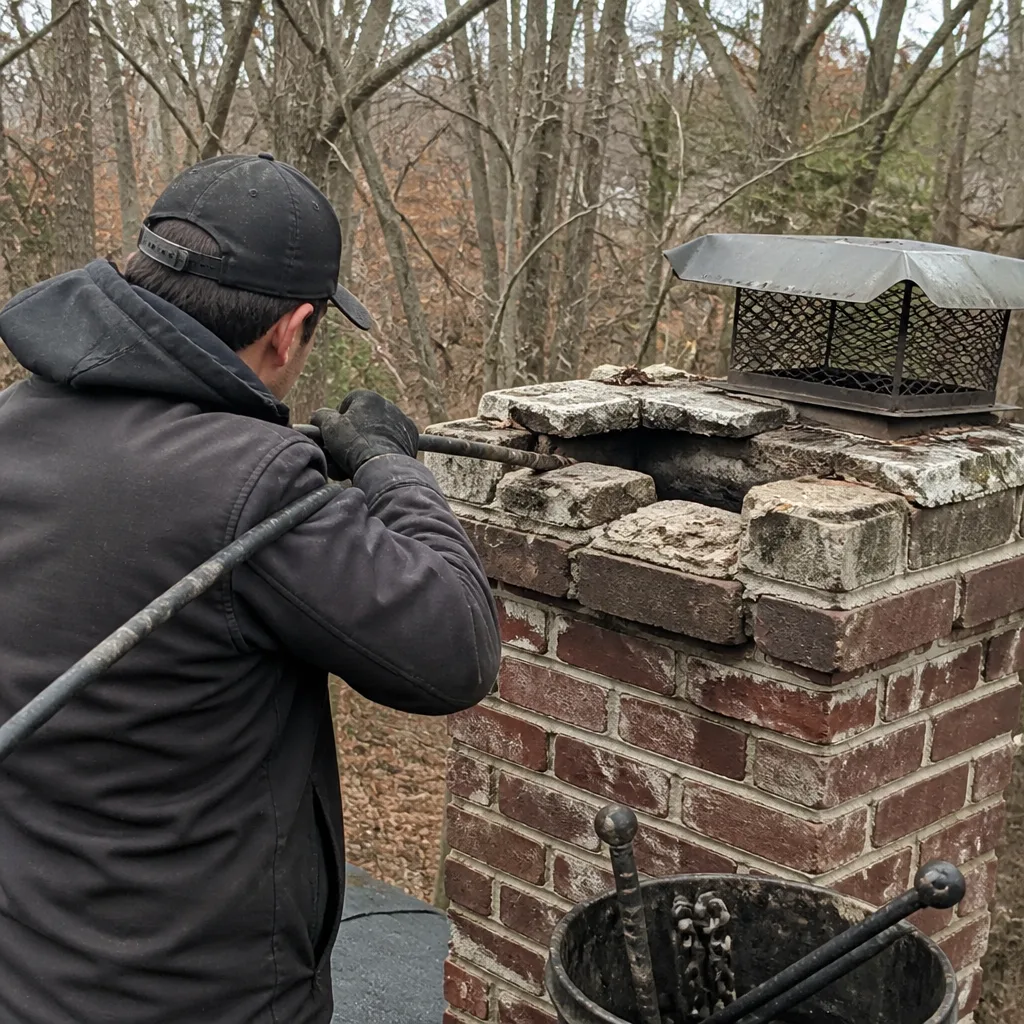 Before
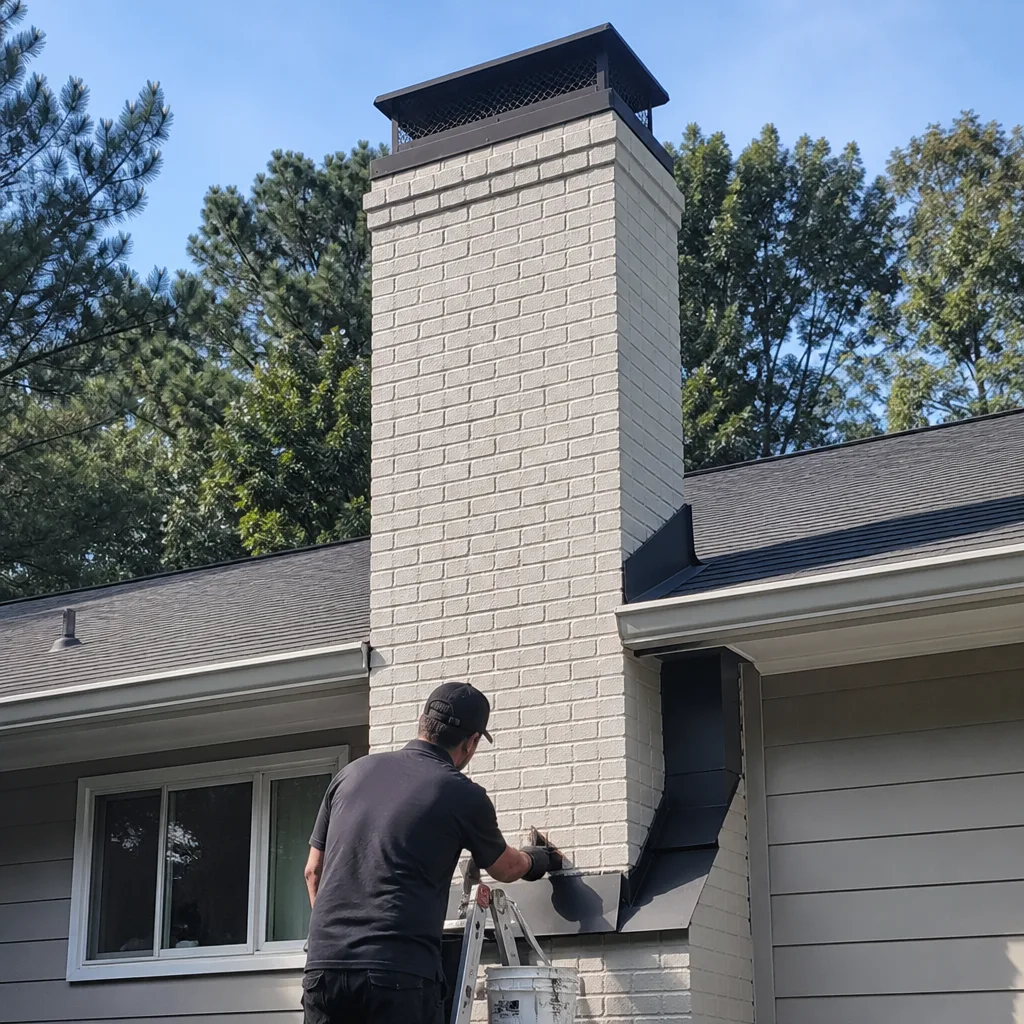 After
After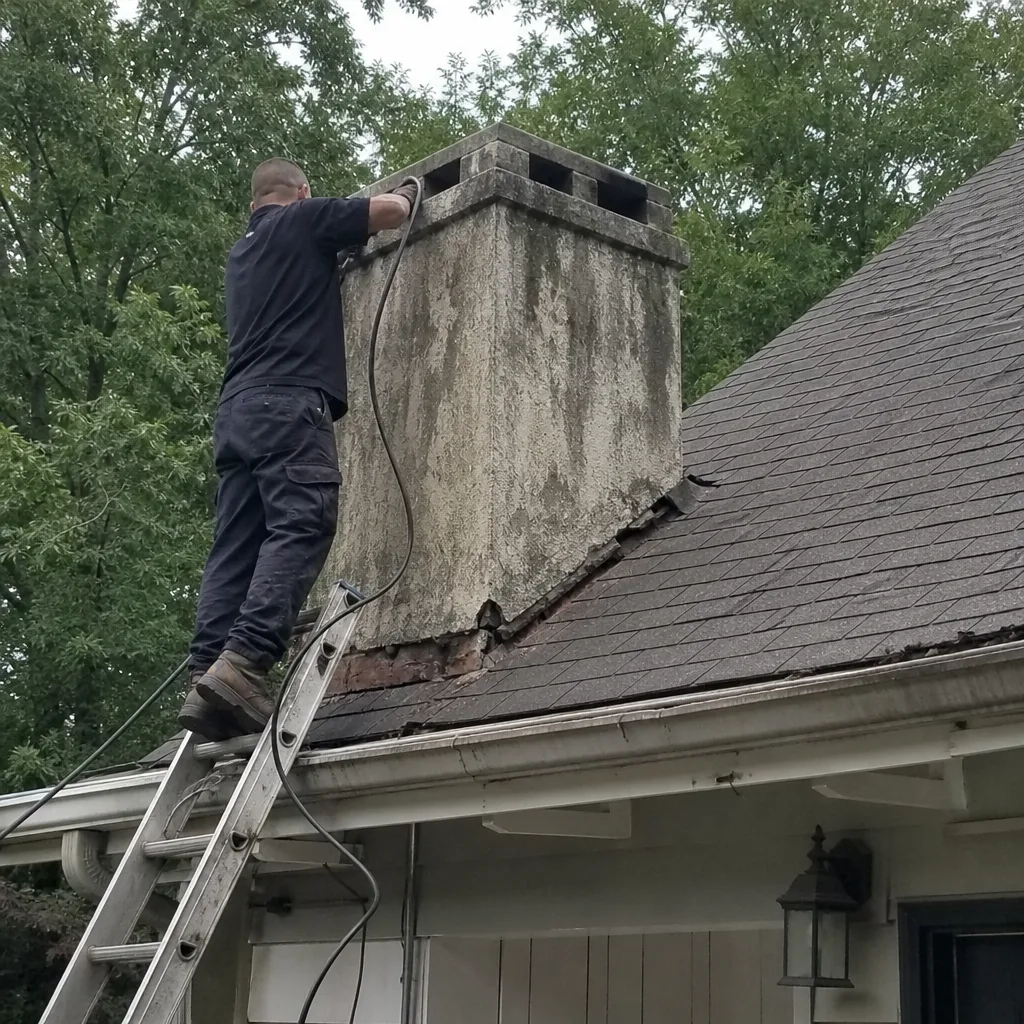 Before
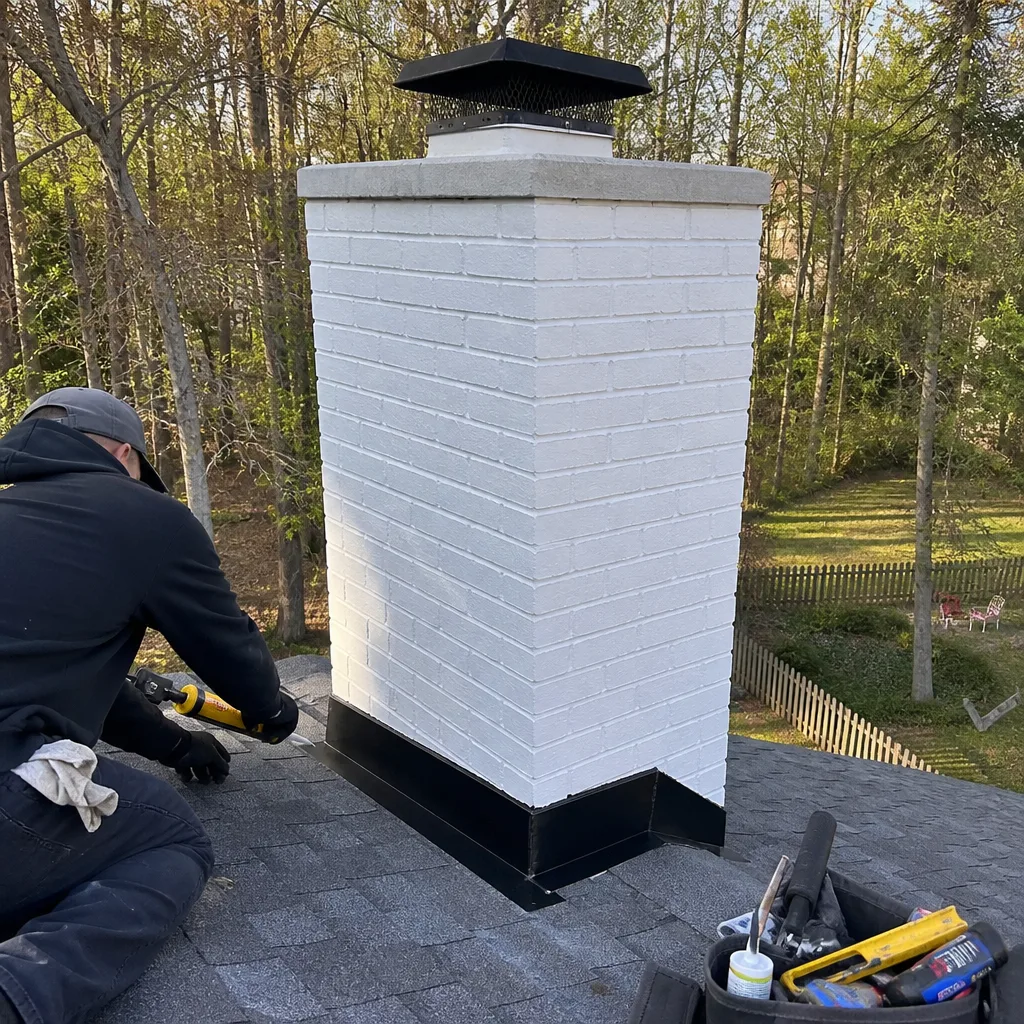 After
After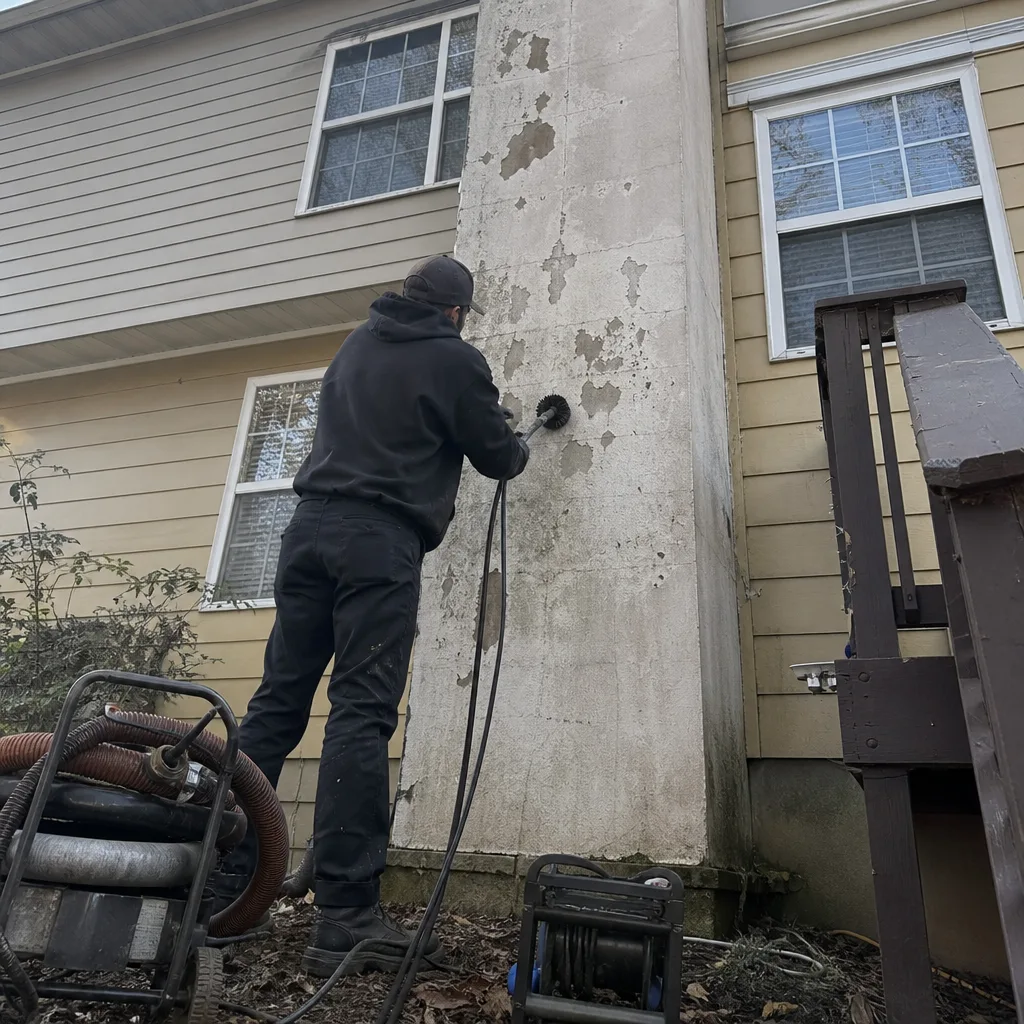 Before
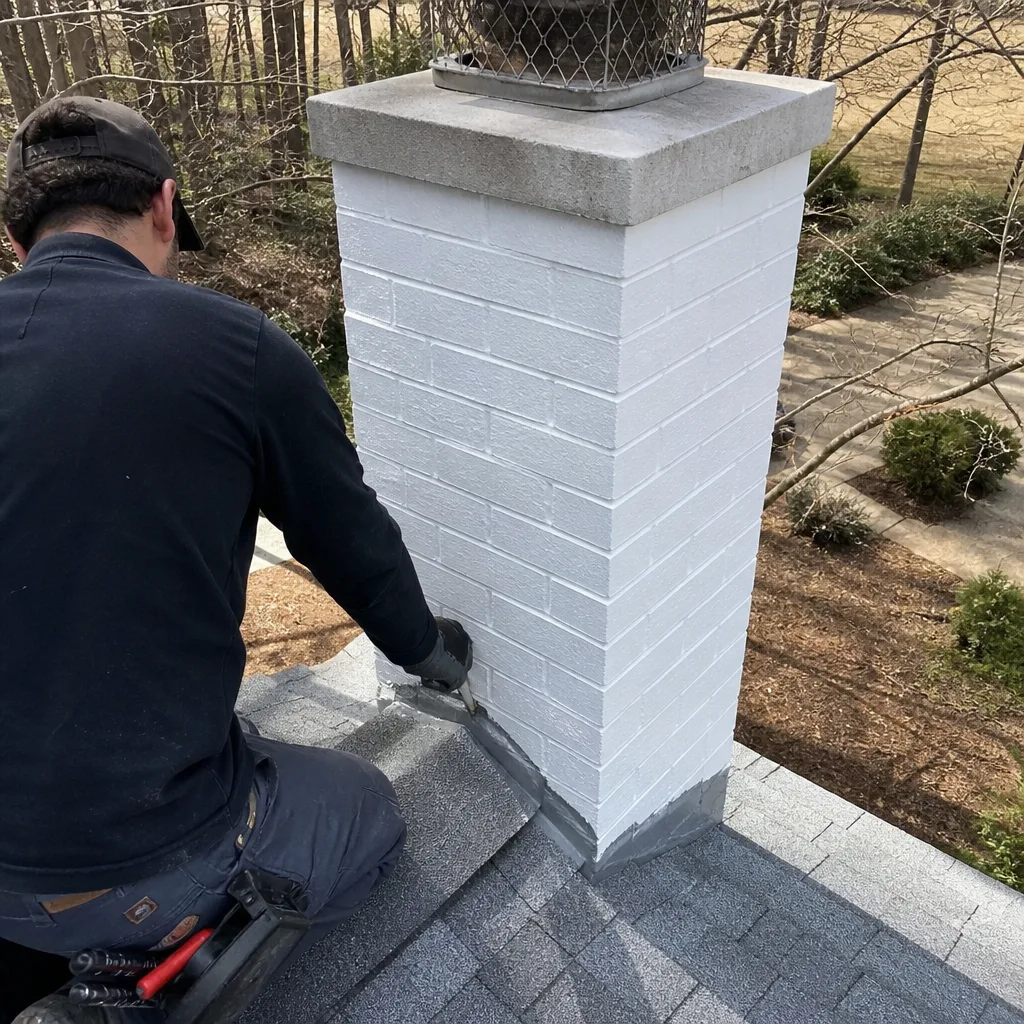 After
After